Making sense of the terror attacks in Kenya
Follow these sources (a mix from the blogosphere, Twitter and Facebook, including from some mainstream media sources that aren't that bad) to process the Nairobi mall terror attack.
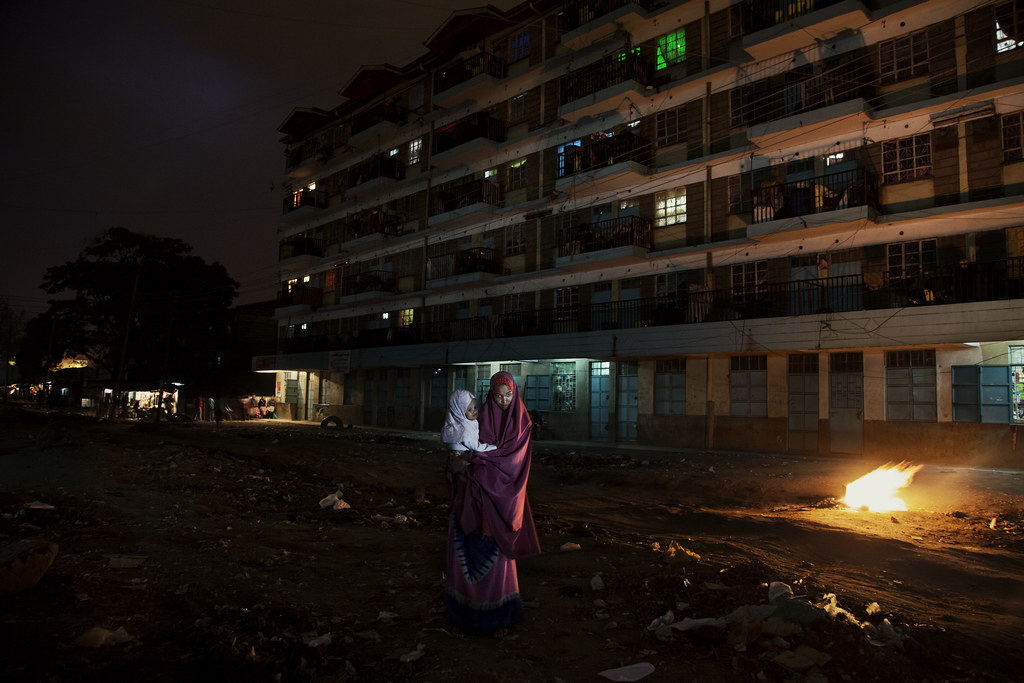
Image: EU Civil Protection and Humanitarian Aid via Flickr CC.
If you, like us, are disturbed by US congressman Peter King’s suggestions to monitor Somali-Americans, the decision by the world’s most visited news site, the Daily Mail, to focus only the fate of North Americans and British victims of the terror attack on a mall in Nairobi, CNN quoting fake Al Shabaab Twitter accounts, or waiting for the inevitable Heart of Darkness-themed piece by some Western journalist or other (though they may surprise us yet), it may be better to follow these sources (a mix from the blogosphere, Twitter and Facebook, including from some mainstream media sources that aren’t that bad):
Blogs
Ushahidi posted a list of sources. It’s a good place to start.
The SSRC’s blog, African Arguments, which has also a post up by the blog’s Magnus Taylor: “Westgate attack demonstrates Kenya’s continuing ‘Somalia problem’“
Ken Opalo, a doctoral candidate in political science at Stanford. (Also on Twitter.)
Somali Newsroom (they also have a Twitter account).
The US news and media blog Think Progress. They have a piece up today “What The Deadly Attack On A Kenyan Mall Really About.”
Robert Alai, controversial Kenyan blogger and social media strategist.
The BBC’s Southern African correspondent Karen Allen.
Charles Onyango-Obbo, Nation Media Group’s digital editor. On Twitter.
Oliver Mathenge, a political writer of the Star newspaper in Nairobi.
The South African journalist Robyn Kriel, the East African Bureau Chief for a South African 24-hour news channel.
Kenyan journalist and news anchor, Larry Madowo.
Erik Hersman, co-founder of Ushahidi, who goes by White African.
Al Jazeera journalist Hamza Mohamed.
Photojournalist and columnist Jonathan Kalan.
Abdi Ayente, director of Somali’s first ever think and a former Al Jazeera and BBC journalist.
Somali-Kenyan journalist Abdi Latif Dahir.
Tom Odula of the AP’s East Africa Bureau; and
Ory Okollah, going by KenyanPundit and co-founder of Ushahidi,
Add your suggestions (and comments) in the comments below. Ht @KenyanPundit, @Jepchumba, @Samar42