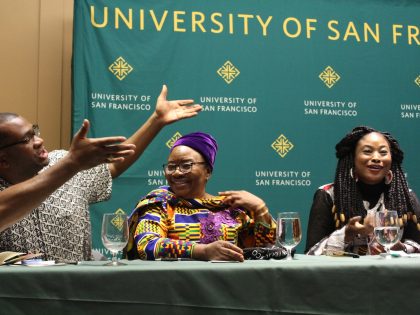
The fight for the future of food
Centering African voices in a discussion so often dominated by non-African observers.
Centering African voices in a discussion so often dominated by non-African observers.
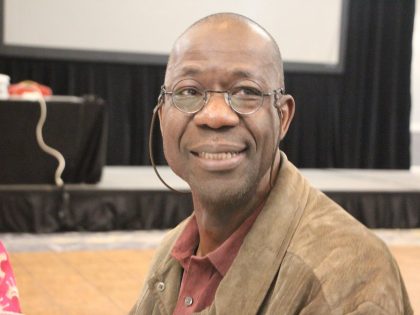
Among the many legacies of Teju Olaniyan’s teaching and writing would be a project to not only speak in the ideological name of Africa, but to redistribute the power of speaking in that name.
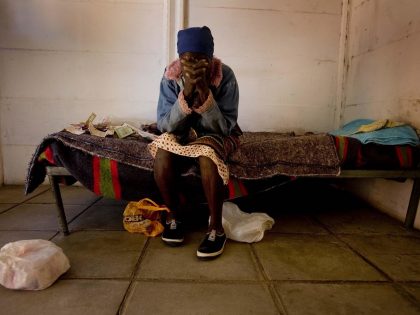
A response to the latest United Nations report on Zimbabwe’s food emergency.
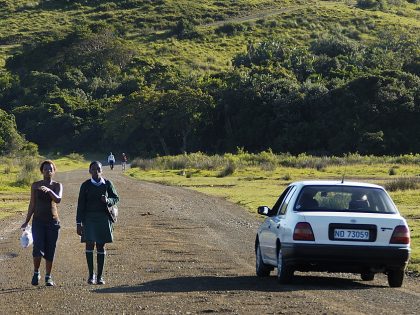
South Africa introduces a new law which allows traditional leaders along with third parties to decide for communities, without their consent.
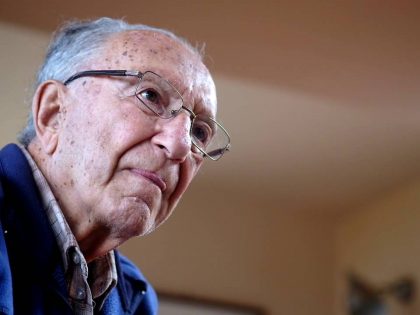
Turok, who died at 92, was committed to fighting for the ideals of the left in South Africa. It is worth reviewing what his contribution to these ideals were in the final chapter of his life.
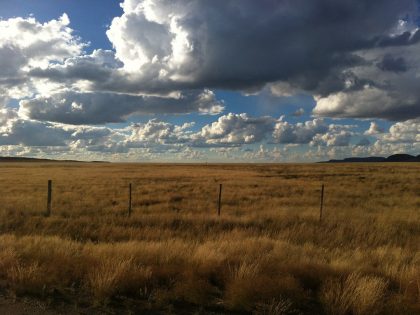
Nthikeng Mohlele’s novel Small Things (2013) provides a rejoinder to J. M. Coetzee’s Disgrace (1999), depicting a black man’s perspective on the failures of South Africa’s transition.
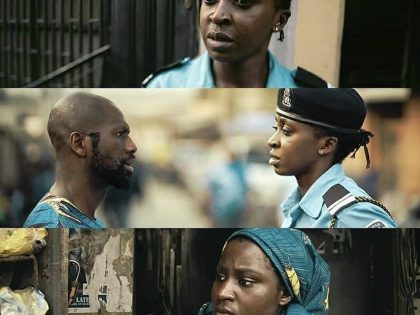
Filmmaker Akin Omotoso shows the Lagos that pushes the sane to insanity, the meek to thuggery and the lawful to anarchy.
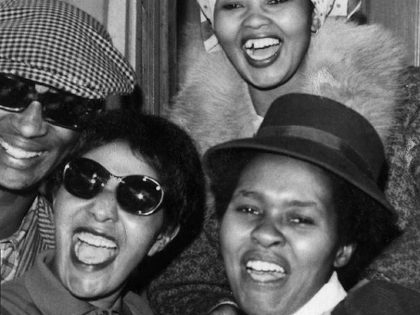
One of the few books about photography to come out of the continent and where the majority of contributors are African and work on the continent.
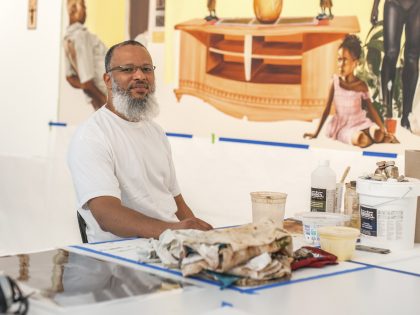
Meleko Mokgosi’s multimedia works offer complex views of history and powerful critiques of pan-Africanism and the postcolonial moment we are currently living.
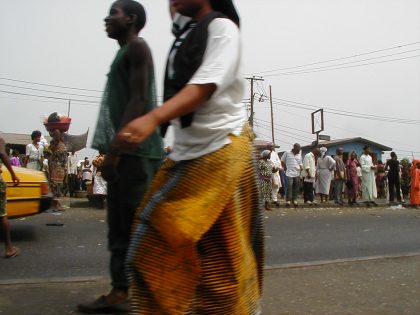
In Nigeria, survivors of sexual violence and workplace sexual harassment know that facts are not enough.
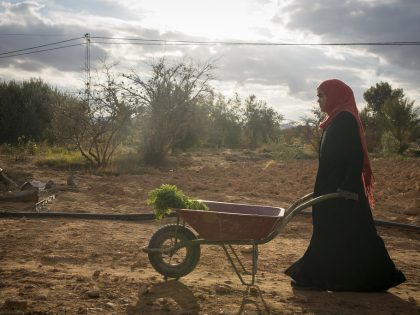
It is time discuss food sovereignty in the Middle East and North Africa, again.
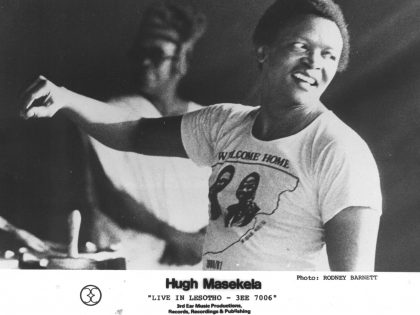
During Christmas 1980, Hugh Masekela and Miriam Makeba performed at a concert in Lesotho that deeply challenged and disturbed South Africa’s apartheid regime. The record of that concert is being reissued.