To revolutionize a culture
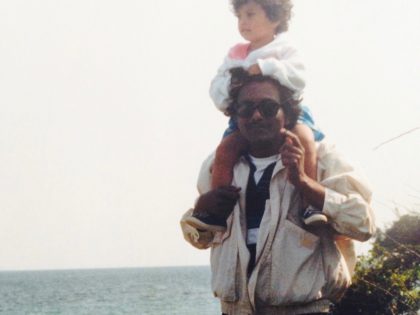
The writer on Frank’s Archive, based on her father's records, that explores the different functions of books, power and knowledge.
The writer on Frank’s Archive, based on her father's records, that explores the different functions of books, power and knowledge.
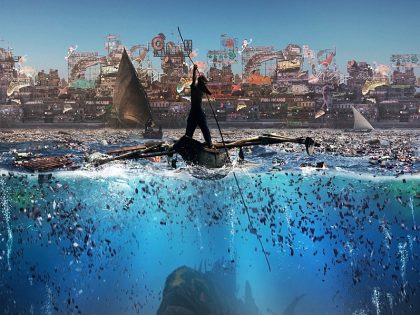
Five films pointing to new directions for African cinema — by some of the most exciting young filmmakers from the continent.

Highlighting one of the dark sides of Egyptian nationalism, and exposing the dangers of blanket xenophobia.
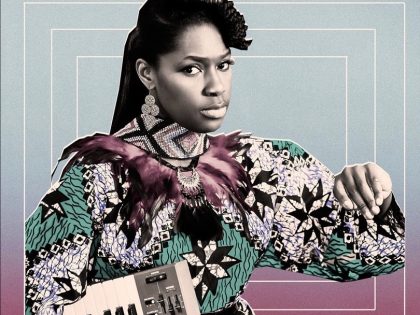
The self-titled debut album of Ibibio Sound Machine, features songs mostly in the southern Nigerian language of lead vocalist, Eno Williams.

In 1986, one year before he passed away, James Baldwin announced a radical idea: “White History Week.” In this post, Ed Pavlic writes about how Baldwin got to that moment.

When Gullit won the Ballon d’Or in 1987, he dedicated the award to the imprisoned Nelson Mandela; then made a reggae song about Apartheid.

Slavery governed the Cape Colony, the origin of colonialism in South Africa, for nearly 200 years and left a lasting legacy.
The Dutch are quick to celebrate "12 Years a Slave," but what if Steve McQueen had decided to make the film about Dutch slavery and colonial history?
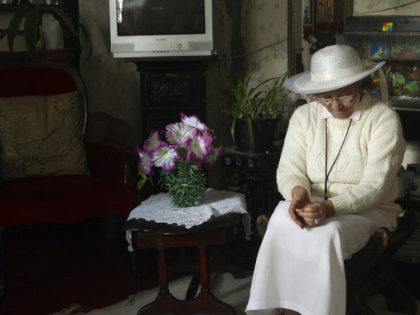
Nicholas Eppel's photographs of a working class woman's home life in central Cape Town doubles as a chronicle of the city's gentrification.

An insight into the openly racist and homophobic atmosphere that passed for public life in Margaret Thatcher's England.
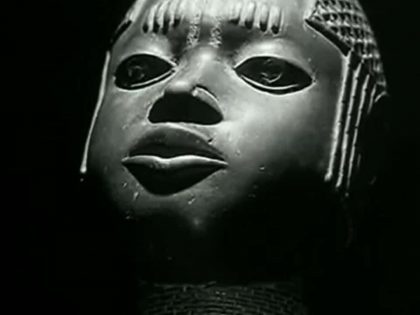
Alain Resnais and Chris Marker's 1953 film "Statues also die" should be appreciated more for how it challenged European, especially French, approaches to African art.
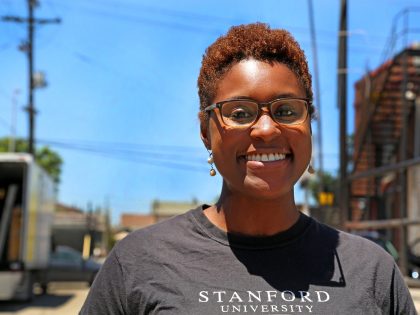
Whether there will be an "Awkward Black Girl" movie or not, Issa Rae has impacted black television without ever being on television.
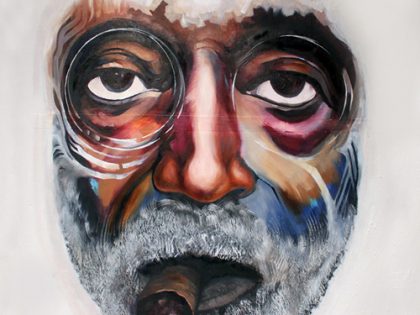
Toronto lends itself to sci-fi imaginings, so it’s not surprising that for some it could be a capital of Afrofuturism.


In Deji Olukotun’s novel, a Nigerian NASA scientist — on behalf of all colonized people — wants to return moon rocks that Neil Armstrong brought back to earth.
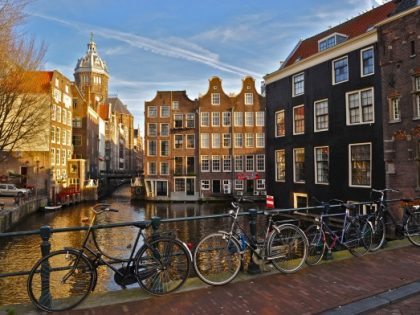
It is important that the Netherlands' history of slavery gets anchored in Dutch history curriculums in the same way that the Second World War is.
Creating spaces where artists related to the Congolese diaspora can freely tell their side of the story.