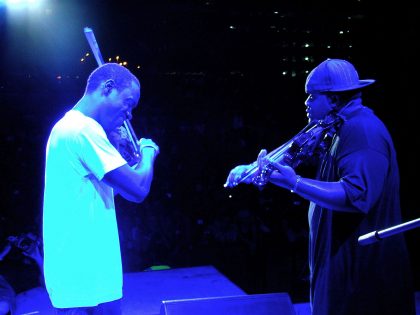
Black Violin
Kevin Sylvester and Wilner Baptiste are the classically trained violin and viola playing duo that anchor Black Violin.
Kevin Sylvester and Wilner Baptiste are the classically trained violin and viola playing duo that anchor Black Violin.

The idea that a post-racial South Africa can only be achieved through the adoption of white ideals, culture, and norms by black South Africans.

There is a huge disconnect between Americans working in Africa, and Africans working in America – though they are often in the same building.

Tal National's music is breezy, in all Niger's languages and about topics to which everyone can relate: love, peace, and the beauty of women.
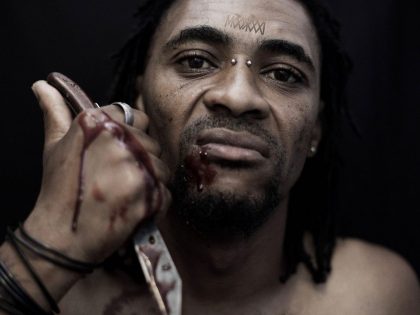
The difference between Isaac Mutant and Die Antwoord is that Mutant is the real deal.

Kenneth Gyang's "Confusion Na Wa" and the growing desire for variety and novelty in Nigerian cinema.

A digital, more lo-fi interpretation of local Marrabenta mixed with dancehall and hip-hop, combined with a mid-tempo, laid-back vibe.

The frustration or inability to establish an identity that is free of hegemonic constructed myth – that ceases to be at odds with current reality.

Introducing the South African writer, K. Sello Duiker's novel 'Thirteen Cents' to US audiences.
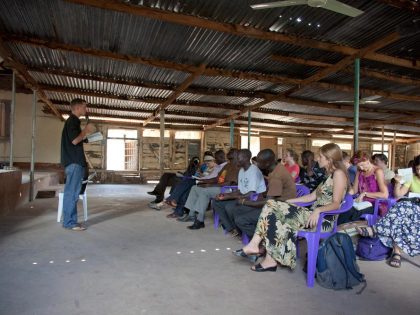
The plague of evangelical Christianity and its role in fueling homophobia in African countries like Uganda.

“Thierry Henry 1:1” is proof of what happens when the marketing men make films about football.

Weekend Music Break Number 57 includes a tribute to Fela Kuti, music from Lesotho, and the fast rapping of Sarkodie.
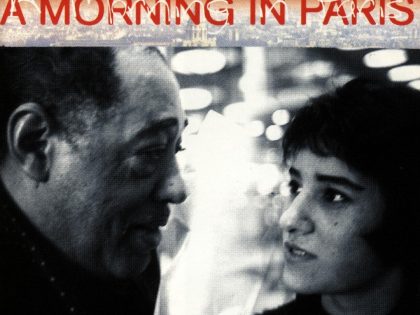
Sathima had the unique ability to strike first at your heart, not unlike the experience of hearing Billie Holiday for the first time.

Africa: helping white people who are a bit down-in-the-dumps, feel better about themselves since 1884.
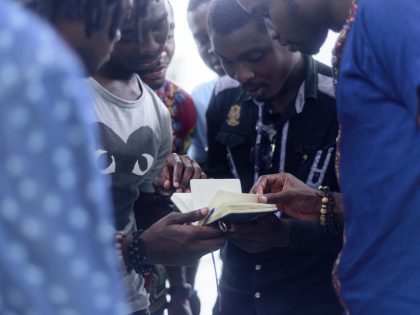
The fact that the global novel has emerged from the world of the global literary economy does not render it "lite."

The work of photographer Felipe Branquinho, which portrays workers and working class people in their urban surroundings in Mozambique.

The complexity surrounding the social and economic drivers of piracy off the Horn of Africa was lost in the media-friendly version of the story.
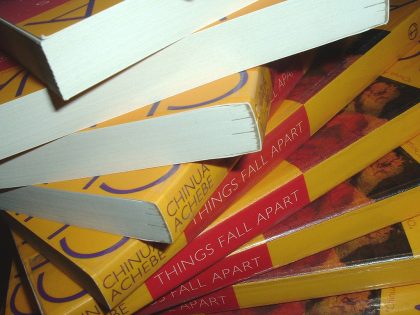
Only five African or African-born writers have been awarded the prize since it was first awarded in 1901: Soyinka, Mahfouz, Gordimer, Coetzee and Lessing.