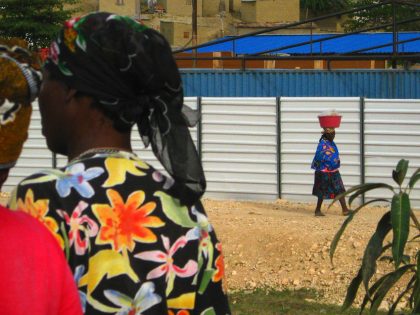
Luanda is Expensive
Those who pay the highest price for the high cost of living in the Angolan capital are not expatriates, but Angolans.
Those who pay the highest price for the high cost of living in the Angolan capital are not expatriates, but Angolans.
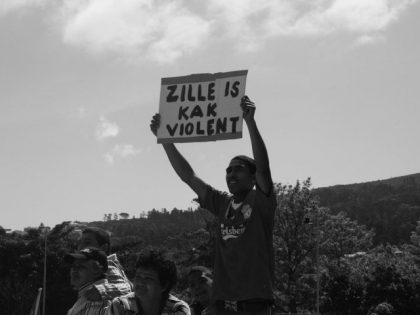
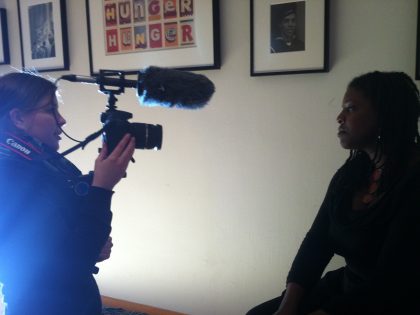
Dylan Valley talks his film revisiting violent events of September 2010 when Cape Town municipal police waged war on poor black residents of rich, white Hout Bay.
Will the slow pace of land reform in South Africa, be the undoing of the ANC government?
As the dominant narrative about Paul Kagame began to change, some Western journalists failed to catch up. They get mad when that's pointed out.
Why the deafening silence from African artists and musicians following the murder of gay activist David Kato?
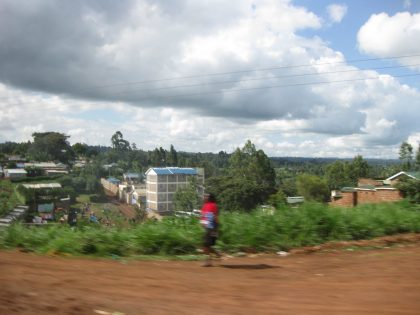
The pernicious belief, is founded on ignorance and prejudice, that certain women, including those with HIV, have no right to have children.
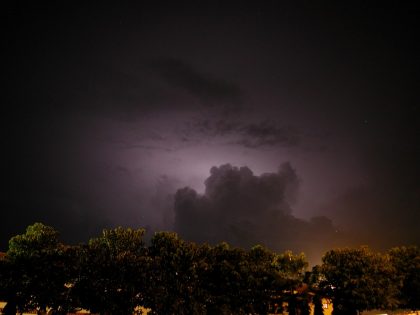
Africans are like the man in the Igbo proverb who does not know where the rain began to beat him and so cannot say where he dried his body.
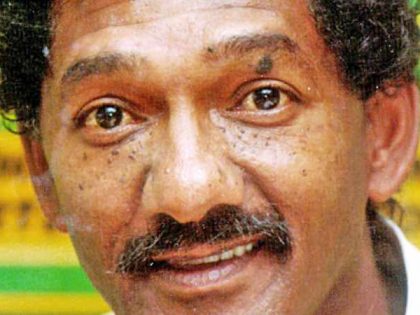
Johnny Issel, who has died at age 68, was a prominent activist for leftist social movements in 1980s South Africa.
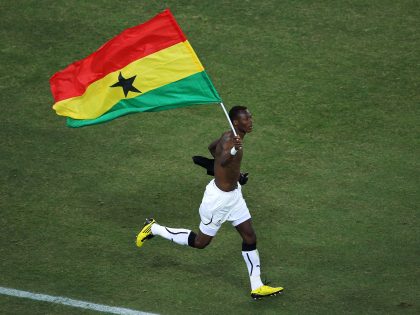
it is a testament to the hosts that my young daughter insists South Africa won the 2010 World Cup.
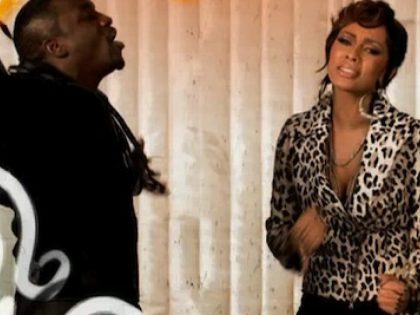
The Senegalese-American R&B singer, Akon, imagines himself some kind of African political leader and regularly opines on comparisons between African countries and the US. We wished he didn't.