Stuff White People Do
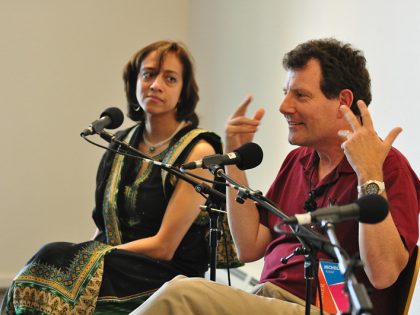
Nicholas Kristof of The New York Times, for all the people he's helped, lacks critical self-reflection.
Nicholas Kristof of The New York Times, for all the people he's helped, lacks critical self-reflection.
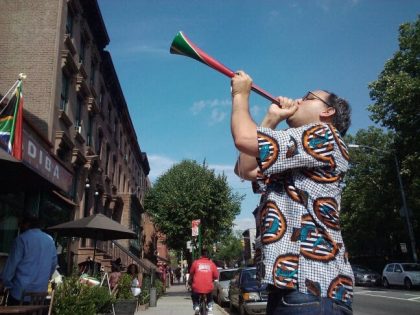
This plastic instrument will generate controversy where it will sound, carrying along to the new continents the singular experience that was the World Cup in South Africa.

Alex Perry's work is Exhibition 1,000,003 of the kind of laziness that's allowed when you write about Africa.
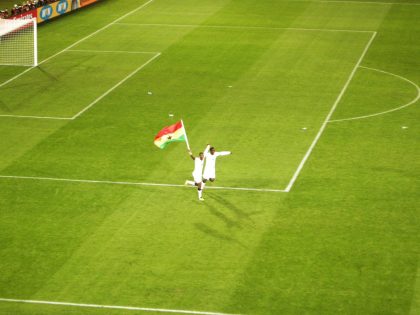
On the field, Africa’s World Cup has disappointed: Nigeria faltered, South Africa and Algeria couldn’t finish, Côte d’Ivoire were unlucky, and Cameroon underwhelmed.
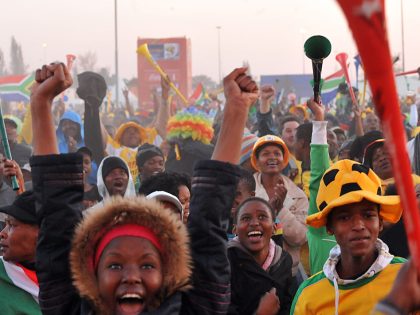
Researchers claim to have found evidence that vuvuzelas can lead to permanent hearing damage. But it won't stop the "tradition." Neither will FIFA
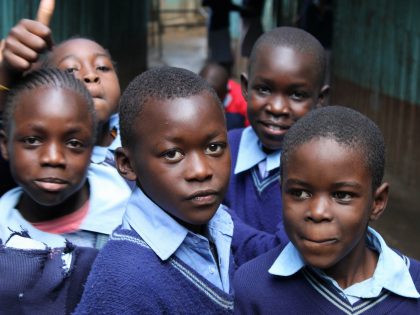
This is so cynical: let people in poor countries send money to nonprofits in rich countries.
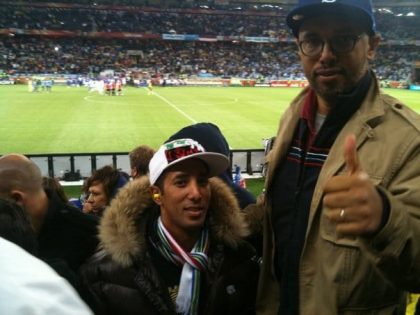
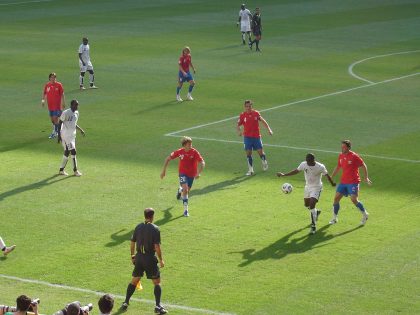
The chicken fast-food chain’s latest television commercial, riffing on the World Cup, satirizes stereotypical Africa yet risks reproducing the very tropes it mocks instead.
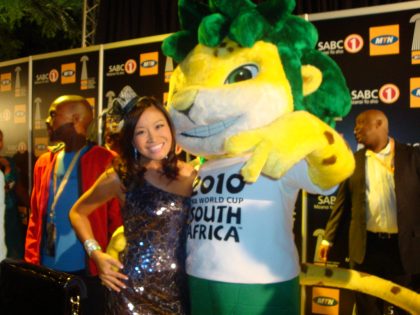
Mexican broadcasters are no different from their Euro-American counterparts, in peddling outdated stereotypes about Africa.
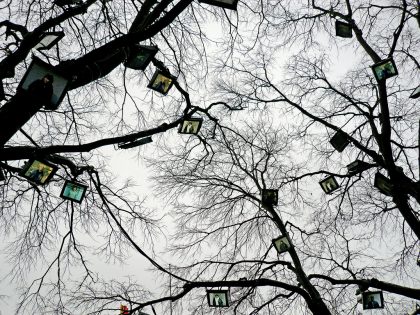
Lara Pawson's blog post about the way elites and media in the West talk, write and act about the African continent and its people, though hardly to them, is worth reposting here.

Commercials tied to the 2010 World Cup sell brands through a tired global template of African-ness: poverty as texture, hardship as atmosphere, resilience as spectacle.

The New York Times columnist Nicholas Kristof who has made Africa his beat, lectures poor Congolese about their leisure time.

Alexandra Fuller highlights the deeply ingrained sociological, economic, and political problems that still persist in South Africa as a result of apartheid.
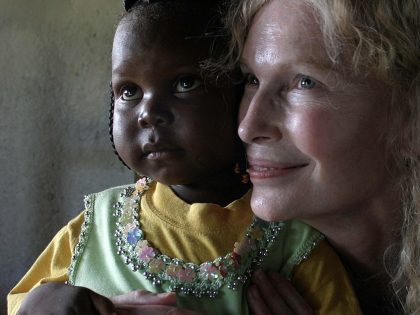
The one about the black model we all love to hate and the white activist we all just love.
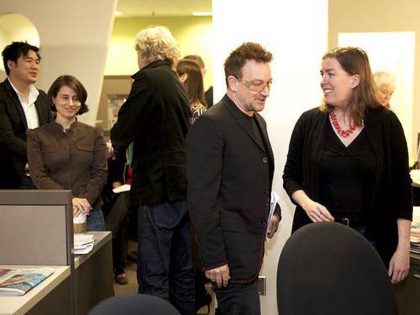
When Canada's Globe & Mail newspaper thought it was OK to get two white, Irish men to edit a special issue of the paper on Africa.

Researchers find Europeans and Asians share 1% to 4% of their nuclear DNA with Neandertals. But Africans do not. What to do with this information?
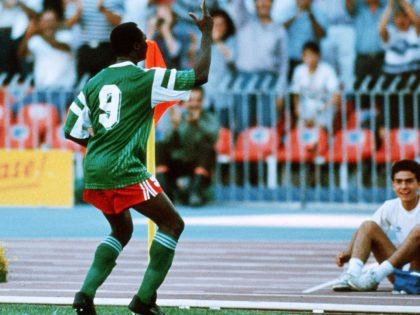
Coca-Cola’s ad trivializes Cameroon’s 1990 World Cup breakthrough, ignoring its transformative global impact.

Political scientist Adolph Reed Jr. — whom I first met in 1995 and often joke is “always right” — on what political economy means for cultural studies.

For those doubting South African can host a successful World Cup, the country has a long history of successfully hosting big tournaments.