
No room for ambiguity
Kenyan activists raise their voices, placards and fists over US$500 million allocated but not yet spent for anti-retroviral medications. That’s a lot of money, drugs, and lost lives.
Kenyan activists raise their voices, placards and fists over US$500 million allocated but not yet spent for anti-retroviral medications. That’s a lot of money, drugs, and lost lives.
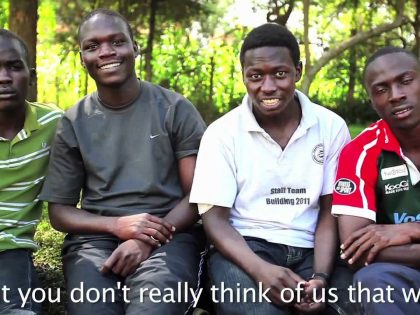
The video, "African Men. Hollywood Stereotypes," made by an American NGO, is part of the "Brand Africa" discourse that's all the rage now.
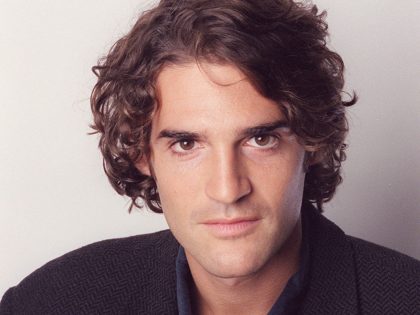
Pulitzer awarded Gettleman $10,000 for "his vivid reports, often at personal peril, on famine and conflict in East Africa."
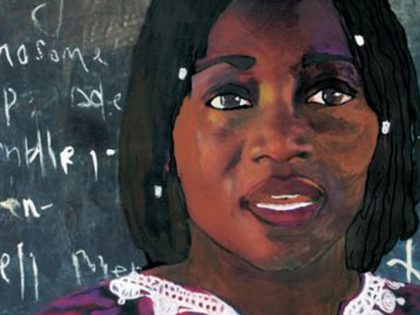

They're making a film about "a love story set in Cape Town South Africa that chronicles the life of Leila, a young Cape Malay girl who falls in love with an American boy, Derek, who happens to be black."

Mutombo, a former NBA star, seems in way over his head in a diamond scam. But some of the allegations cited in media reports don't add up.

Whitney Houston died on February 11, 2012. What does it mean to lose the soundtrack to one’s life?
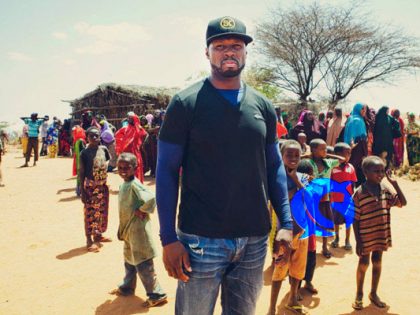

Maathai, who died this week, stood up to the dictatorship of Daniel Arap Moi, and the global regimes of the IMF, the World Bank and all the rest.
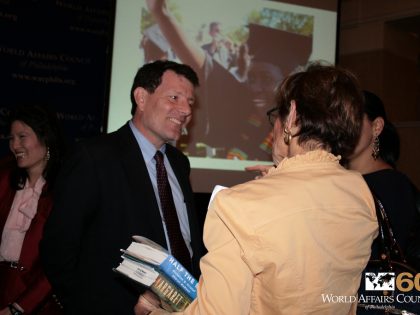
In The New York Times columnit's world, Kenya is just another Third World site of pathos, despair, degradation, and fallen women waiting to be saved.

The vast majority of domestic workers in the Middle East are migrant workers. A fair number are from Africa, particularly Kenya and Ethiopia.