
Probing Subliminal Violence
The artist Mohau Modisakeng mines the contours of colonial and post-colonial history.
6393 Article(s) by:
Fatima B. Derby is a Ghanaian feminist writer and queer activist.
The artist Mohau Modisakeng mines the contours of colonial and post-colonial history.

The messiness, subjectivity and imprecision of football are being eroded from the game, argues the Nigerian novelist and football fan.

Ivorian cab driver in East Harlem: “African players never play the same for their European teams and their national teams.”

Lesego Rampolokeng’s tribute to an old school pioneer and one of the key builders of the South African hip hop scene.


High school students, a women’s choir, traditional instrumentalists, bands using hand-made instruments, and a tour guide whose nom de guerre is Harry Potter.


E, no Brasil, Neymar não é negro (ou preto).

Day nine of our Rio correspondent’s World Cup diary wonders who the tournament is for and what the protesters demand.

The rap music of Z’Africa Brasil — composed of rappers Gaspar and Funk Biu, DJ Tano and producer Pitchô.

An interview with hip hop scholar, Adam Haupt, about hip hop pioneers P.O.C., the viral rappers Die Antwoord and the state of contemporary South African hip-hop.

Americans need recognize if they want to do good in Africa they need to partner with Africans or work in the US on policies that impact negatively Africans.

The fate of World Cup draws has fostered an unlikely rivalry between Ghana and the United States.
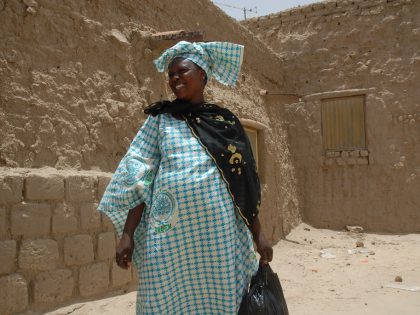
An American graduate student consciously attempts to preempt some of the problematic and ignorant queries from relatives back home.

Dak’Art is the only art contemporary biennale of its scope with a mandate to include all artists of African descent.
Why did Neymar—the one time he was asked about discrimination—respond: “Never, neither inside nor outside the field. Because, I’m not black, right?”

Why don’t western friends of Africa not put pressure on their corporate and political elites to do more to combat hunger?