
This book was born in the streets
Kenya’s youth uprising was documented in real time through music, murals, memes, and essays. Publishing that history became an act of resistance in its own right.
Kenya’s youth uprising was documented in real time through music, murals, memes, and essays. Publishing that history became an act of resistance in its own right.
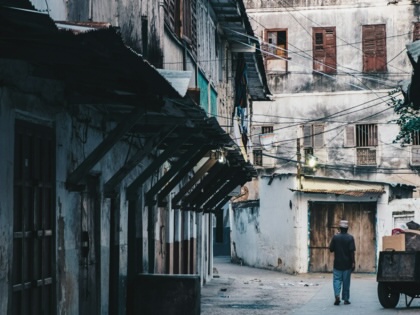
Long before modern sexual identities reached the East African coast, the Swahili shoga occupied a recognized place in women’s society, until colonialism and later Western frameworks remade them.
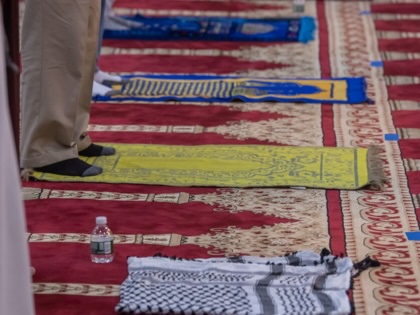
How do the struggles of one generation echo, decades later, in another’s?
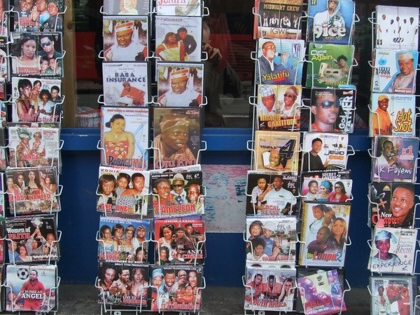
Kenneth Nnebue made 27 Yoruba-language films before Living in Bondage. Why does Nigeria still only remember the one he made in Igbo?
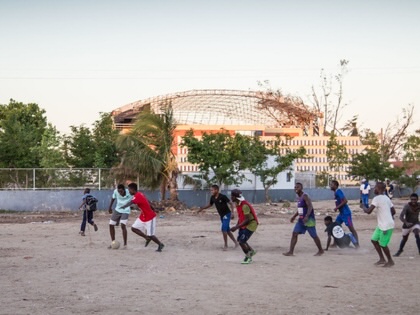
Joseph O’Neill’s new novel follows a Pittsburgh writer chasing a West African wonderkid. It’s also a story about who profits every time the world goes looking for the next Eusébio.
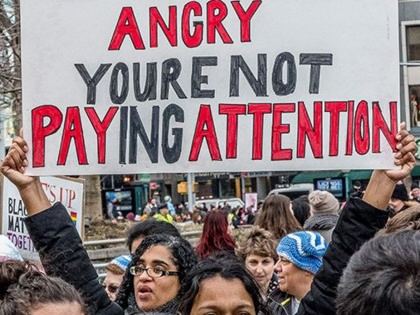
From the Epstein files to a World Cup trailed by rape charges and a hush-money settlement, the public has gotten remarkably good at feeling outrage. What it hasn’t learned is what to do with it.
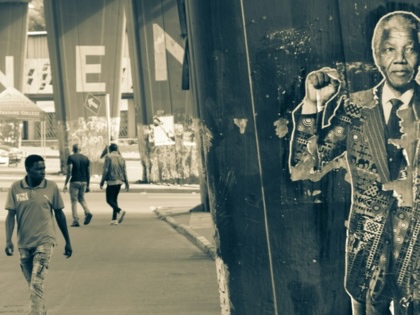
Although Nelson Mandela lacked the oratory of Nkrumah and the theory of Senghor, his contribution to the world of ideas was something rarer: pragmatism.

From leapfrogging optimism to warnings of a new extraction economy, the frameworks now defining Africa’s AI moment will decide who gets to shape the future and who is shaped by it
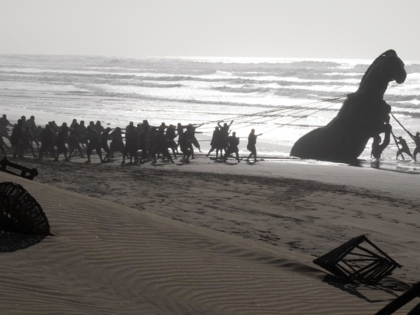
Backed by Moroccan state subsidies, Christopher Nolan’s decision to film The Odyssey in occupied Western Sahara is the latest and highest-profile chapter in a five-decade campaign to normalize colonial rule.
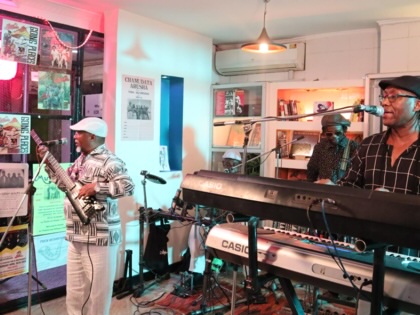
For a century, African musical heritage was recorded, boxed, and shipped to museums abroad. In Nairobi, a new generation of archives is bringing cultural memory home — and putting it online.
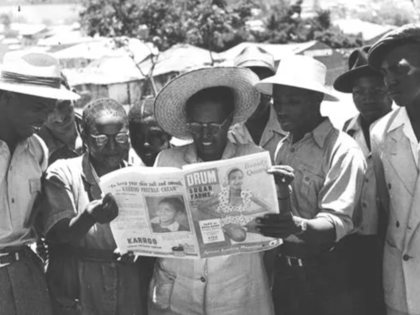
In apartheid South Africa, Drum magazine showed Black readers what it meant to be modern. But not everyone got to be modern in the same way.
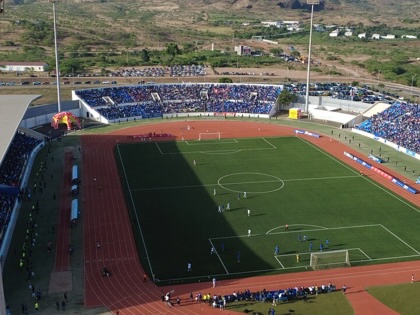
Cabo Verde’s historic run and the breakthrough performances of fellow African and Caribbean nations changed the conversation about visibility, opportunity, and the future of African football.
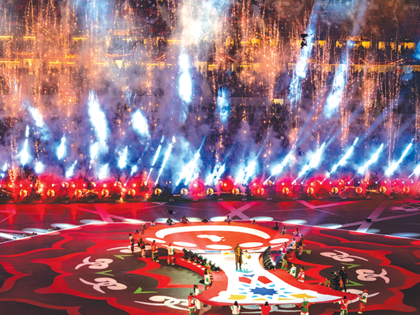
Can a continent dominate global football while losing control of its own game?
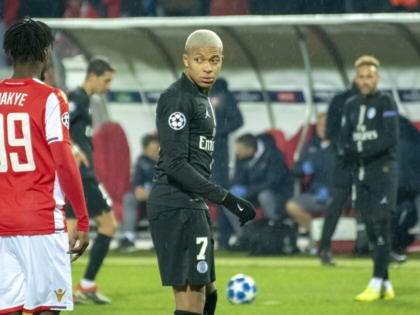
Football’s three mixed Maghrebi and Black African stars are not emissaries of a new pan-Africanism. And the continent doesn’t need them to be.
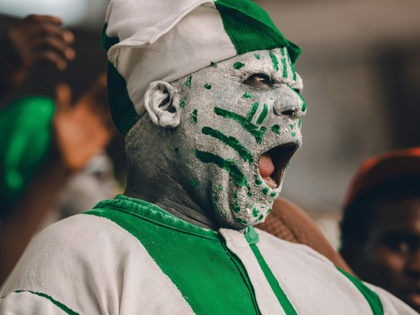
Part performer, part cultural ambassador, and increasingly, a political flashpoint.
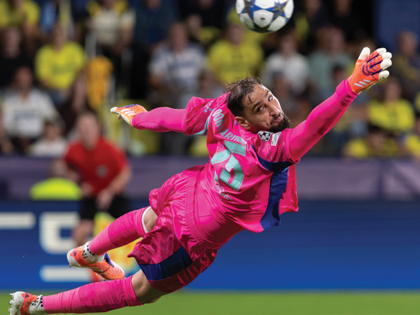
As club football becomes increasingly placeless and commercialized, international football begins to feel strangely real again.
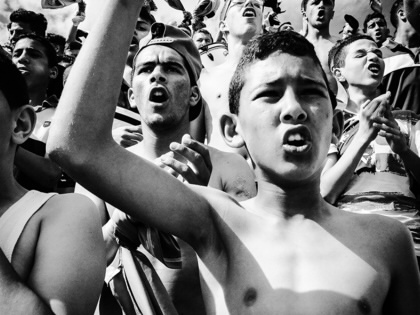
In Algeria, football stadiums have long been sites of protest, expression, and resistance. As public space shrinks and surveillance rises, their political future hangs in the balance.
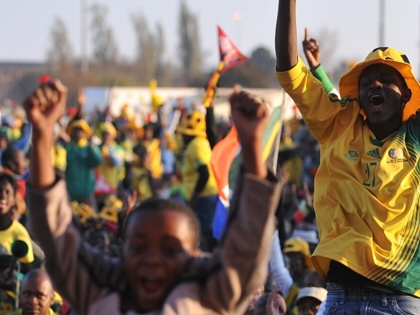
Bafana Bafana’s World Cup exploits has South Africans chanting “No DNA, just RSA!” But against a rising tide of xenophobia, what South Africa are we actually rooting for?
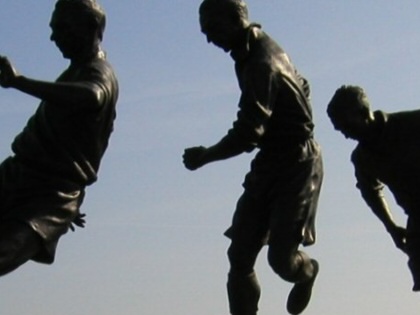
In 1957, three months after Ghanaian independence, the world’s most celebrated footballer came to Accra to teach. What Stanley Matthews left behind changed Ghanaian football forever.
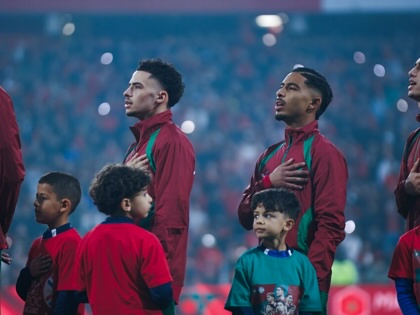
When Ayyoub Bouaddi chose Morocco over France, he wasn’t just making a football decision, he was enacting a theory of citizenship that has been in the making since 1880.