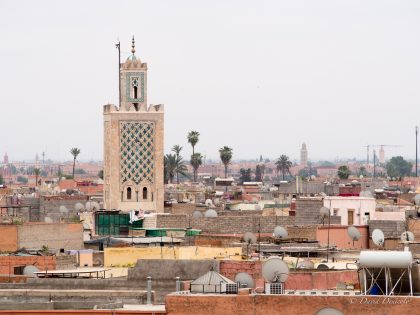
The promise and peril of the digital economy
How digital capitalism, despite often being framed as potential growth engine, exploits the already marginalized and reproduces inequalities and power-relations between Africans.
How digital capitalism, despite often being framed as potential growth engine, exploits the already marginalized and reproduces inequalities and power-relations between Africans.
Russia's invasion of Ukraine has highlighted the narrowness of the crude anti-imperialist positions that are silent about the actual invasion of an independent country.
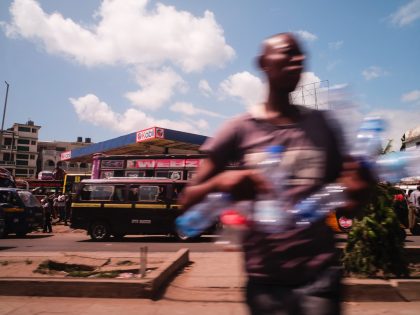
Voter apathy among young people in Kenya reveals fundamental flaws in Kenya’s democratic politics.
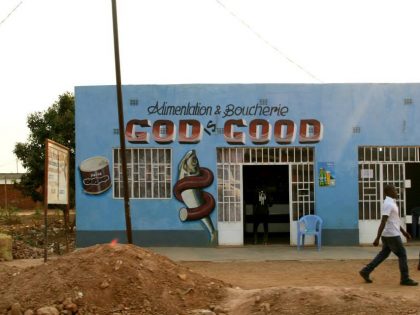
Fiston Mwanza Mujila's debut novel is painted by the music of a nightclub in a fictional central African city-state. On this month's AIAC Radio we imagined what it might sound like.
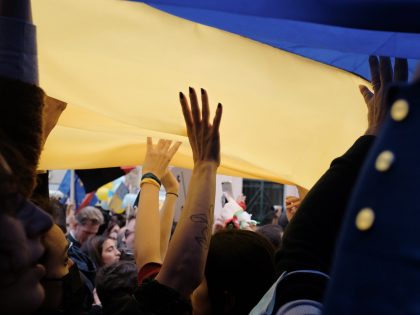
Russia’s war with Ukraine has inaugurated the new Cold War most feared, and some wanted. Which side are you on?
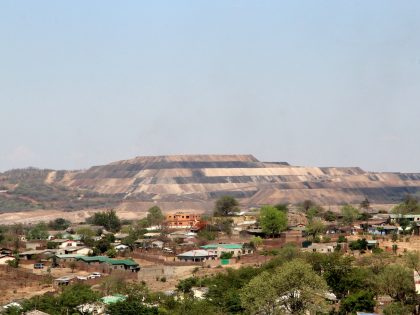
In Mozambique, a troubling pattern of land grabbing, pollution and death. This time at the hands of a Brazilian-owned coal mine.
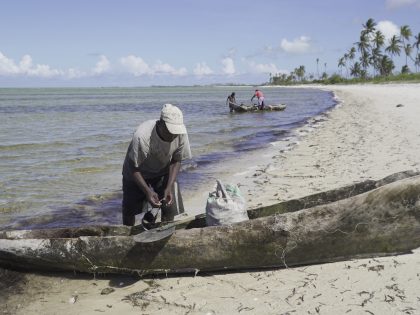
Total is creating a social and economic disaster in Mozambique, consulting the same playbook it uses in Myanmar and Yemen where it extracts resources and silences communities.
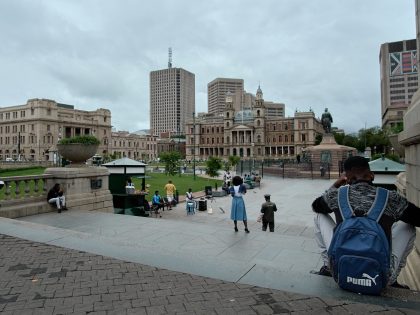
With the globe-spanning rise of right-wing populism, there may be good reason to fear for South Africa’s fledgling democracy.
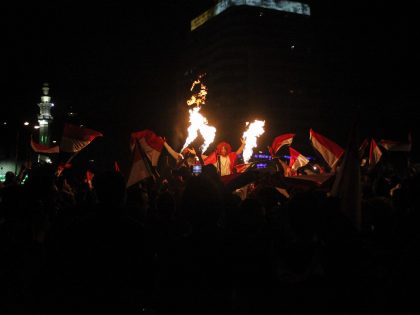
The 10th anniversary of the tragedy at Port Said passed without much notice in Egypt. Have Egyptians forgotten, or are they just trying to move on?
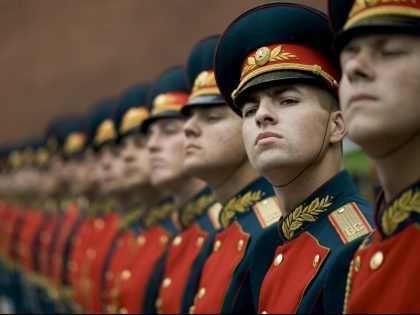
Russia has invaded Ukraine. Its growing involvement in Africa raises questions about what a war in Europe means south of the Mediterranean. We discuss this with John Lechner on the AIAC Podcast.
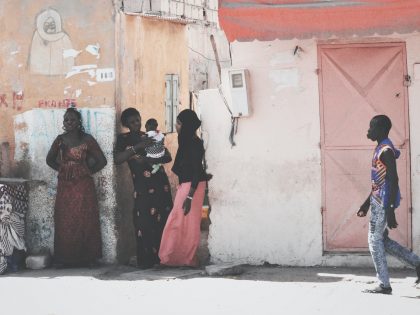
Recently, gender-based violence has entered Senegal’s national conversation. But are people only paying lip service? On the AIAC Podcast we discuss women and the nation.
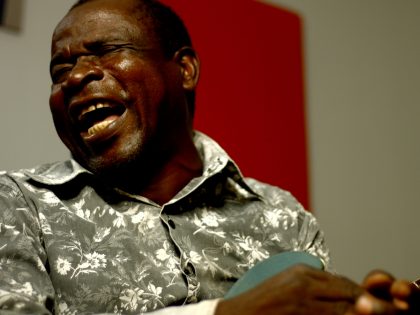
Gonora Sounds’ music gets at what it means to be a Zimbabwean: We might be crying, but we are also dancing.