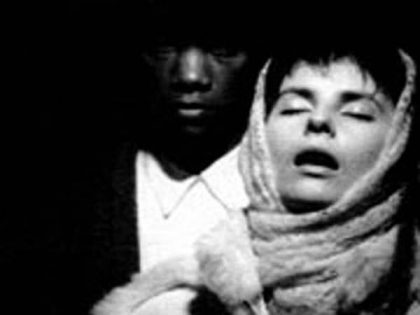
Soviet cinema and African filmmaking
Abderrahmane Sissako’s oblique suggestion of what a ‘socialist friendship’ might be in his first film, "October" (1993) set in a then-declining Soviet Union.
Abderrahmane Sissako’s oblique suggestion of what a ‘socialist friendship’ might be in his first film, "October" (1993) set in a then-declining Soviet Union.
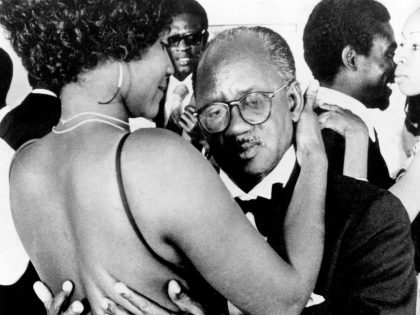
Ousmane Sembene's "Xala" (1974) is a powerful political narrative. At times edging toward the surreal, at others an acute depiction of the complexity of the freshly independent Senegal.
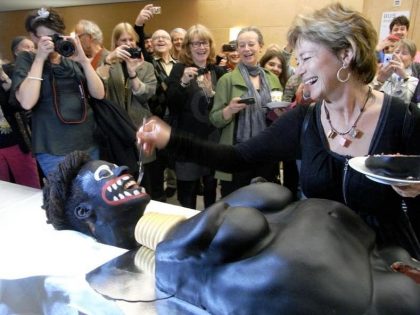
It’s a brilliant staging of structural racism and post-colonial existence by the artist Makode Linde.
Interview with South African writer Henrietta Rose-Innes's about her novel, "Nineveh."
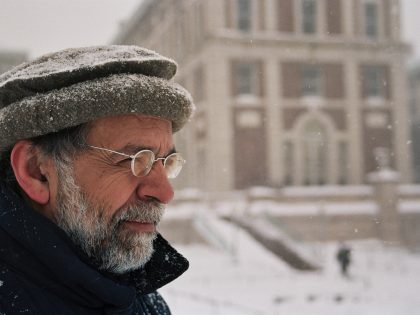
The recent controversy around Günter Grass’s criticisms of Germany's arms trade with Israel is an interesting post-script to the Namibian genocide controversy.
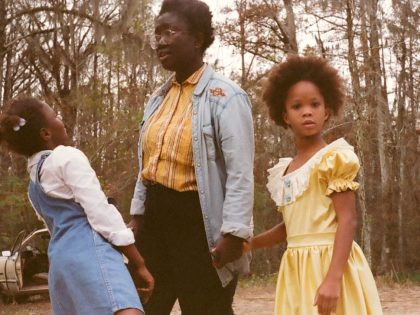
The director, Frances Bodomo, originally from Ghana, talks about her film "Boneshaker" and African globalization.
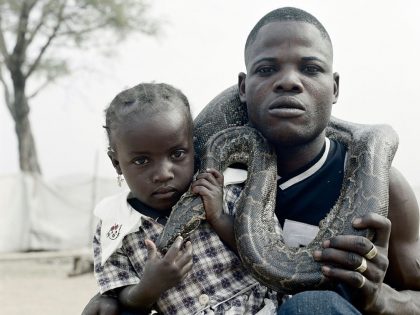
In which category would the South African photographer Pieter Hugo place himself? What do they stand for or what his photographs can and cannot tell.
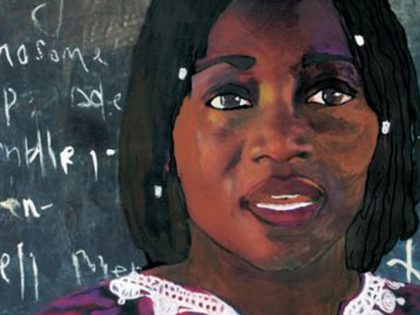
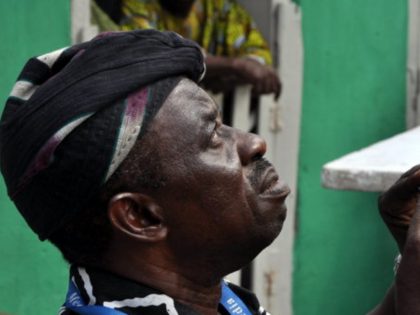
Tunde Kelani's "Maami," a tale about a former professional footballer, is bold and stylish film-making, and it deserves a wide audience.
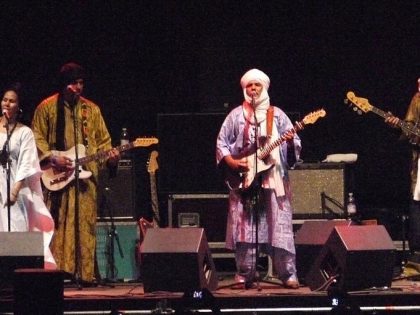
Historian Greg Mann is not a big fan of Tuareg group, Tinariwen. The music is alright, he agrees, but the politics is rancid.
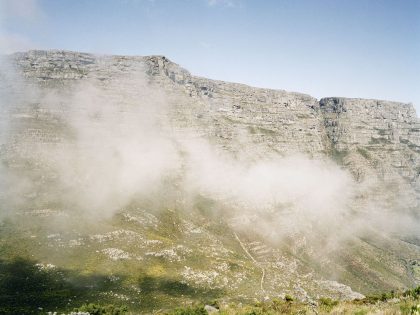
The city's past and its predilections render neat formulations like Creole city and European city equally hollow.
This is Number 11 in my occasional series of posts highlighting the music of my hometown, Paris, also a center of Europe's African diaspora.