An unusual sensitivity
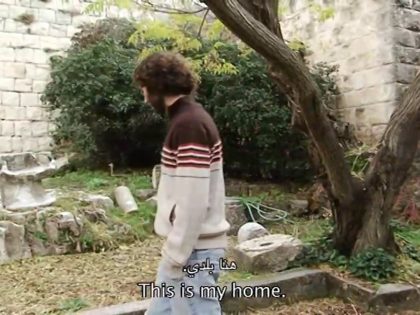
One of the striking facts of Nabil Ayouch's film is that Israelis love the land and the Palestinians love it too.
One of the striking facts of Nabil Ayouch's film is that Israelis love the land and the Palestinians love it too.

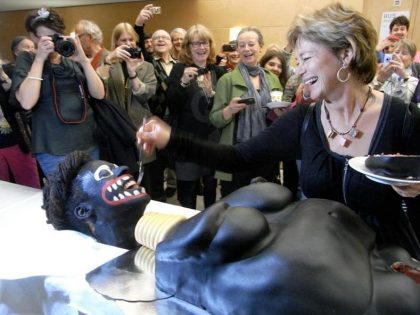
Makode Linde calls his approach Afromantics: it use the blackface to show the connection between stereotypes, part of the same system of oppression.
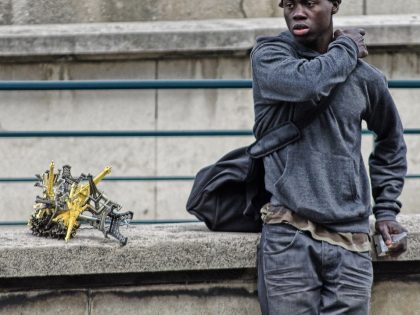
Younger generations of artists, many immigrants of African origin, are reconfiguring the arts in France on their own terms.
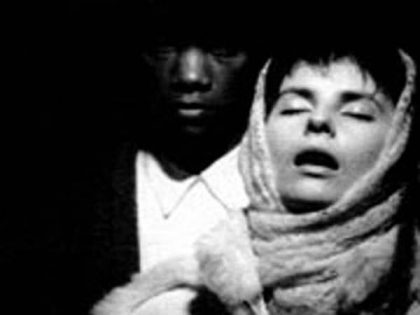
Abderrahmane Sissako’s oblique suggestion of what a ‘socialist friendship’ might be in his first film, "October" (1993) set in a then-declining Soviet Union.
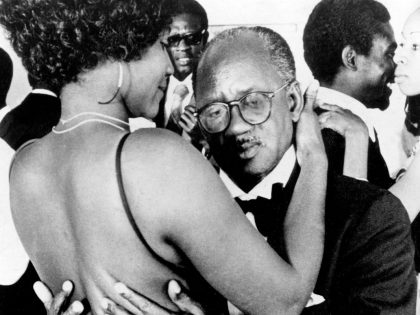
Ousmane Sembene's "Xala" (1974) is a powerful political narrative. At times edging toward the surreal, at others an acute depiction of the complexity of the freshly independent Senegal.
It’s a brilliant staging of structural racism and post-colonial existence by the artist Makode Linde.
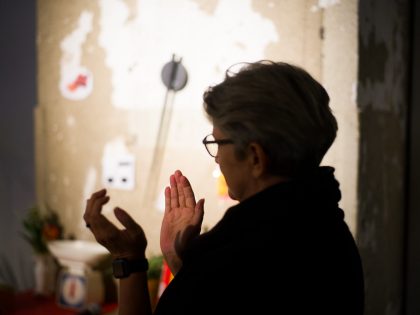
Interview with South African writer Henrietta Rose-Innes's about her novel, "Nineveh."

The recent controversy around Günter Grass’s criticisms of Germany's arms trade with Israel is an interesting post-script to the Namibian genocide controversy.
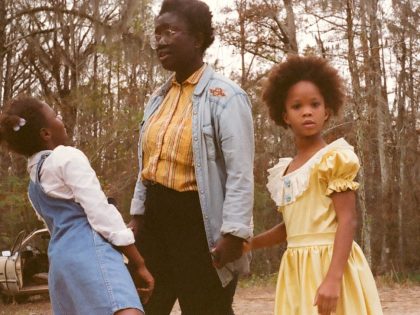
The director, Frances Bodomo, originally from Ghana, talks about her film "Boneshaker" and African globalization.
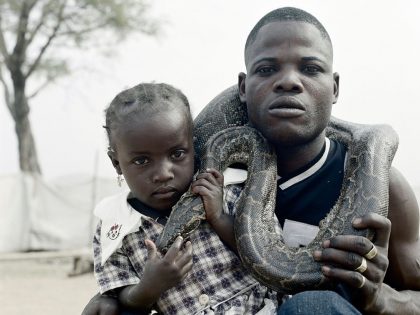
In which category would the South African photographer Pieter Hugo place himself? What do they stand for or what his photographs can and cannot tell.
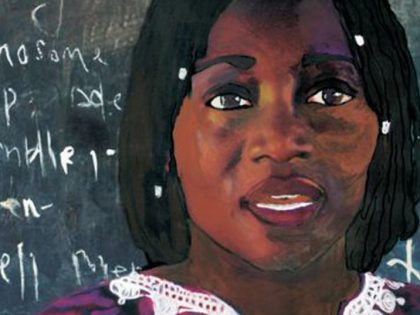
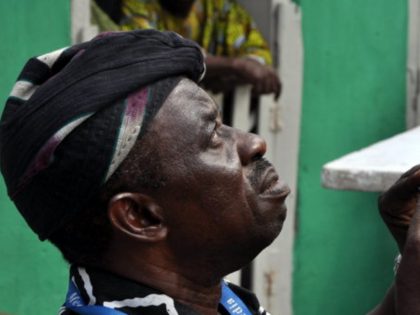
Tunde Kelani's "Maami," a tale about a former professional footballer, is bold and stylish film-making, and it deserves a wide audience.