
Congo Gold
Congolese-Belgian MC, Baloji: "In Congo, we had gold, but we turned it to something that had no value because we didn’t treat our country with the right respect."
Congolese-Belgian MC, Baloji: "In Congo, we had gold, but we turned it to something that had no value because we didn’t treat our country with the right respect."

Science fiction as genre offers the opportunity to African artists to consider Western cartographies of the future as fictions in their own right.
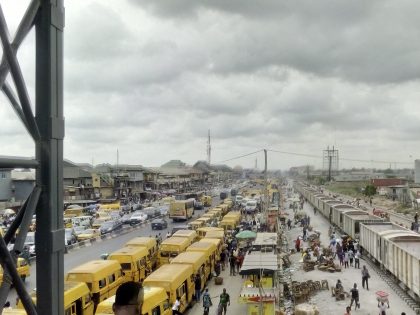
Old Oshodi highlighted the complexity of the city, showcasing the ingenuity of the people of Lagos in their use of the informal market in making a living.
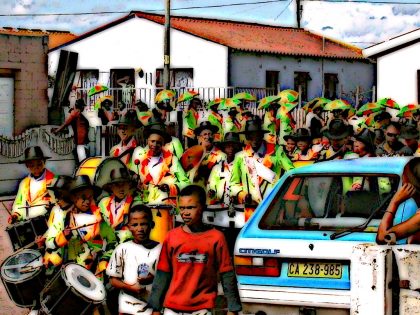
Reading Yewande Omotoso's novel "Bom Boy," just when you think you’ve figured the characters out, the author opens them up a little more, and our perceptions change.

A film about a Sudanese migrant to America explores a general fact of contemporary existence.
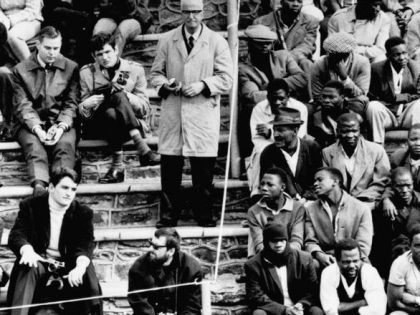
We don’t know why the South African photographer decided to apply to become "coloured" under Apartheid's racial classification laws.

A remarkable amount of new films in recent months have used migration, detention and illegal sea crossings as their subject matter.
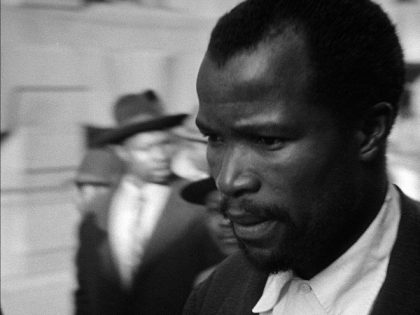
The film, "Come Back, Africa," first released in 1959, challenged how white liberals imagined black people or tried to shape their struggles in South Africa.


Tintin is full of offensive, racist, stereotypes. Should Africans take the publishers to court? No, argues the author; it is counterproductive.
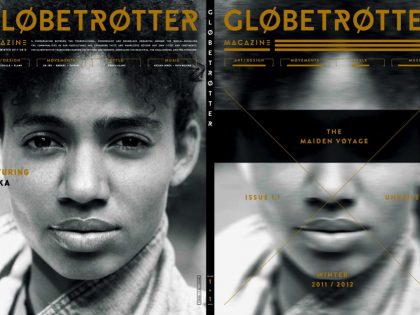
Globetrotter's organizing logic may be a bit elusive, but the content itself is often quite captivating.
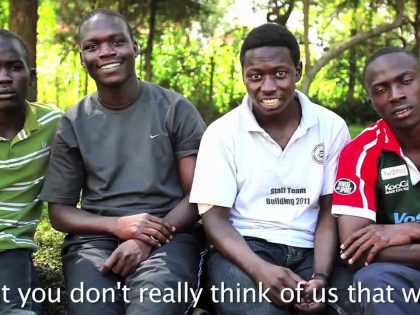
The video, "African Men. Hollywood Stereotypes," made by an American NGO, is part of the "Brand Africa" discourse that's all the rage now.
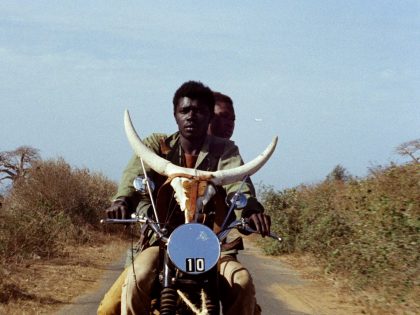
Djibril Diop Mambéty's film "Touki Bouki" is an excellent example of how the contemporary can be read through the (re)construction of myths and narratives from a collective memory.