
People have to be treated as people
A dispute inside a household in N’Djamena becomes a lesson in what money cannot substitute for: recognition, trust, and everyday human dignity.
A dispute inside a household in N’Djamena becomes a lesson in what money cannot substitute for: recognition, trust, and everyday human dignity.
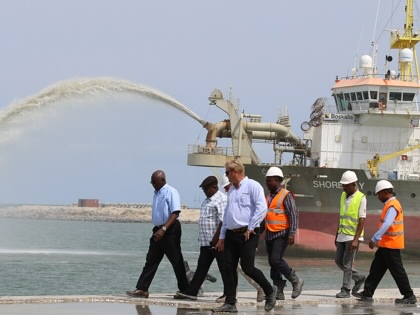
Dangote’s refinery ended Nigeria’s dependence on imported fuel and became Africa’s most important energy asset overnight when Iran shut the Strait of Hormuz. But it also became the country’s most powerful monopoly.

Warnings from researchers at Anthropic and OpenAI that their own products could end humanity distract from the real damage AI is already doing.

A joke born from a Chief Justice’s insult grew to 22 million followers and forced out a cabinet minister in eight weeks. What does this reveal about India and about the limits of leaderless revolt everywhere?
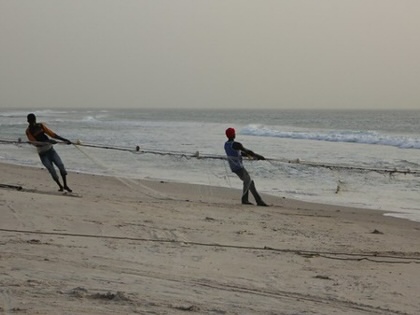
European officials are calling the EU-Mauritania migration deal a success. Here’s what the numbers don’t count.
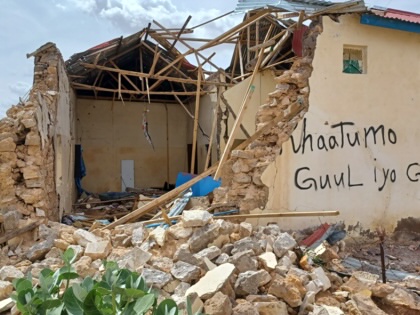
Washington’s own record of intervention in the Horn of Africa — not Mogadishu’s — is the strongest case against recognizing Somaliland now.
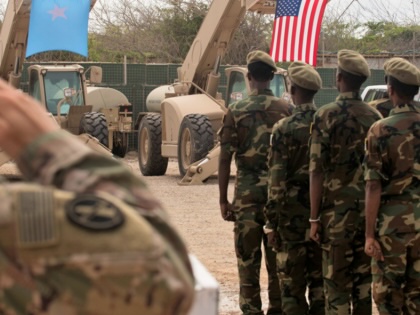
As the UN and the US pull back from Somalia’s security architecture within months of each other, Mogadishu insists it is ready. The gap between that confidence and the country’s political reality tells a different story.

When thousands of young Moroccans stormed Ceuta last week, it was not an invasion, but the latest in a five-year pattern of coercive migration diplomacy on a border with five centuries of colonial history behind it.
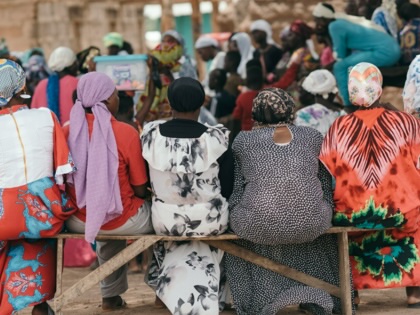
A charter twenty African governments just endorsed defends seed sovereignty and economic independence in one breath, and moves to gut abortion and queer rights in the next.
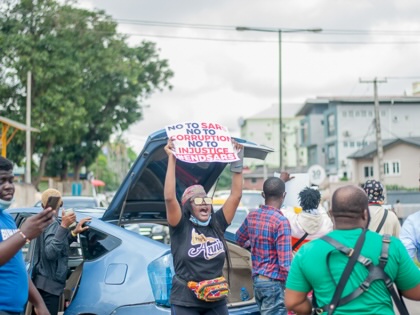
Nigeria’s anti-corruption agency secures thousands of convictions every year, but when it comes to politically-connected elites, it’s a different story.
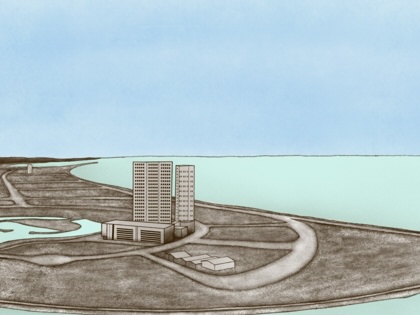
From Eko Atlantic to the Niger Delta, elite enclaves have become the defining spatial expression of Nigeria’s political order.

Africa’s new AI factories promise digital sovereignty. Their electricity deals may instead create private power islands inside public systems.
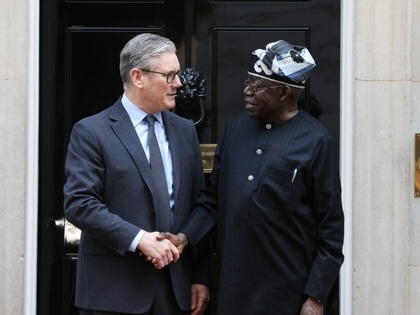
Nigeria’s democracy has become dangerously fixated on capturing the presidency. Reviving regional politics may be the country’s best hope for rebuilding democratic accountability.
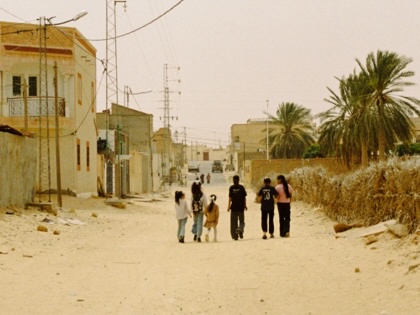
Behind Tunisia’s panicked headlines about falling birth rates is the darker demand that reproduction itself be policed in the name of racial purity.
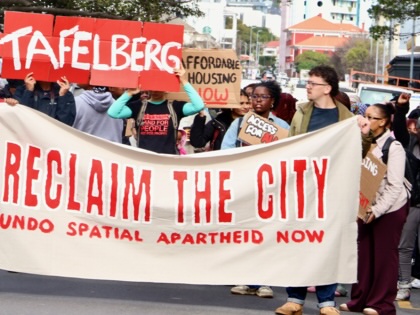
A landmark housing ruling in Cape Town and anti-migrant marches in Durban look like opposite stories. But they are two extremes of the same colonial question: who is permitted to occupy space?
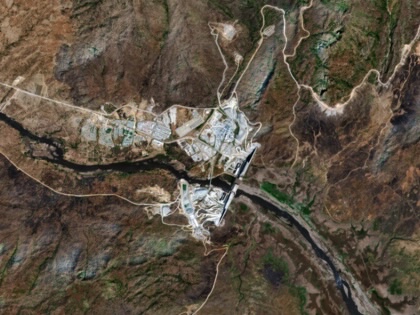
Successive debt regimes in Ethiopia have shown that external finance can protect sovereignty, finance coercion, or build development, sometimes all at once.
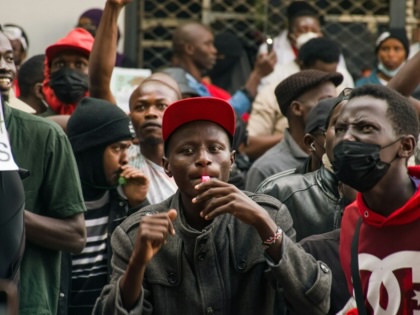
The Kenyan government’s reaction to the present moment of necessary generational disobedience resembles the way colonial regimes used to respond to the question of the “detribalized native.”
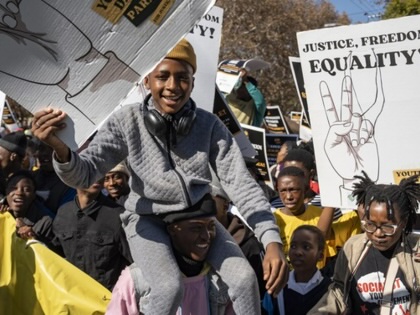
Kevin Cox’s NLR essay on South Africa claims to correct liberal and culturalist accounts through historical materialism. But it reproduces the very epistemic and analytical failures it sets out to overcome.
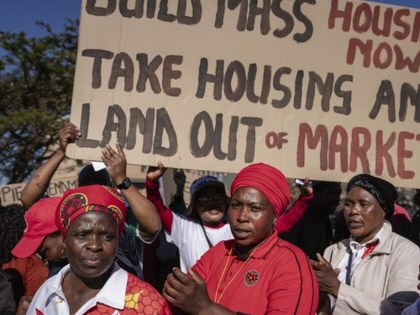
The Conference of the Left was not a solution to the crisis of the South African left, but an opening. What follows must be built differently from what came before.
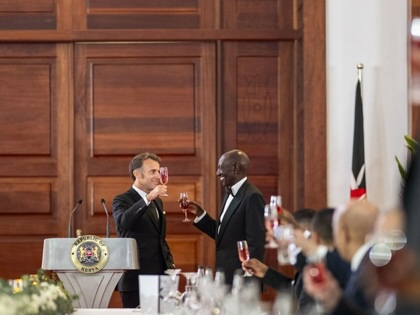
Although the Africa Forward Summit in Kenya was framed as a partnership, it was actually France desperately looking for a new door into a continent that wants to throw it out.