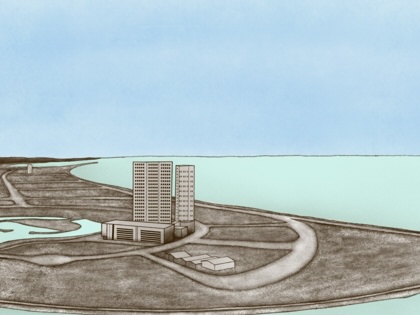
Sovereign rot
From Eko Atlantic to the Niger Delta, elite enclaves have become the defining spatial expression of Nigeria’s political order.
From Eko Atlantic to the Niger Delta, elite enclaves have become the defining spatial expression of Nigeria’s political order.

Africa’s new AI factories promise digital sovereignty. Their electricity deals may instead create private power islands inside public systems.
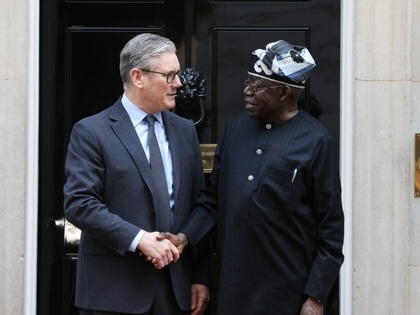
Nigeria’s democracy has become dangerously fixated on capturing the presidency. Reviving regional politics may be the country’s best hope for rebuilding democratic accountability.
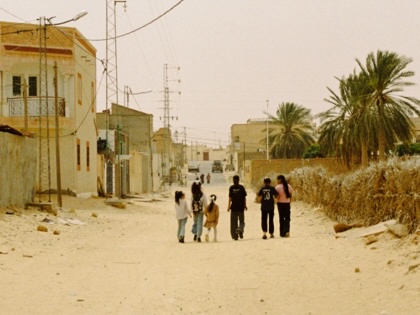
Behind Tunisia’s panicked headlines about falling birth rates is the darker demand that reproduction itself be policed in the name of racial purity.
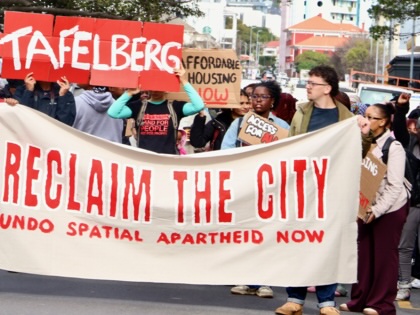
A landmark housing ruling in Cape Town and anti-migrant marches in Durban look like opposite stories. But they are two extremes of the same colonial question: who is permitted to occupy space?
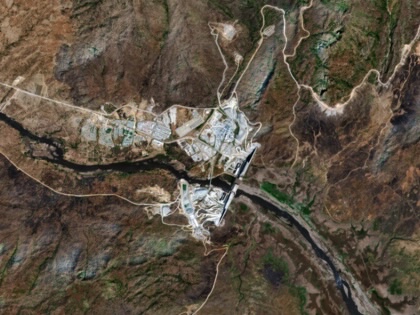
Successive debt regimes in Ethiopia have shown that external finance can protect sovereignty, finance coercion, or build development, sometimes all at once.
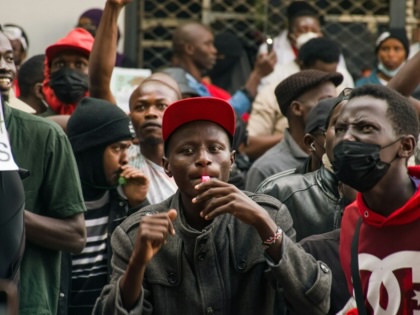
The Kenyan government’s reaction to the present moment of necessary generational disobedience resembles the way colonial regimes used to respond to the question of the “detribalized native.”
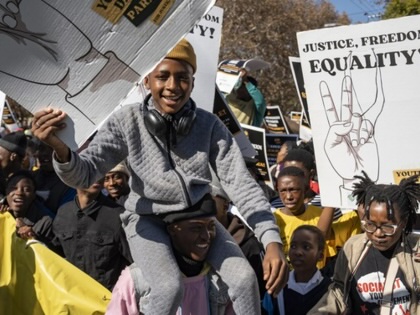
Kevin Cox’s NLR essay on South Africa claims to correct liberal and culturalist accounts through historical materialism. But it reproduces the very epistemic and analytical failures it sets out to overcome.
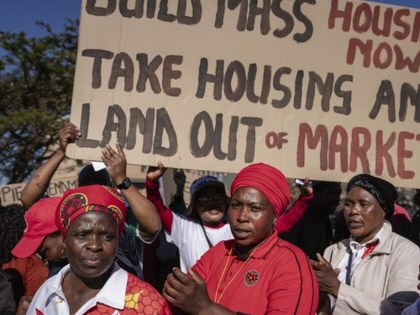
The Conference of the Left was not a solution to the crisis of the South African left, but an opening. What follows must be built differently from what came before.
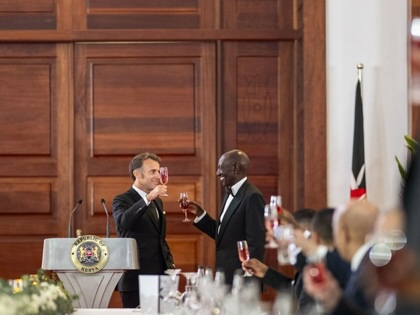
Although the Africa Forward Summit in Kenya was framed as a partnership, it was actually France desperately looking for a new door into a continent that wants to throw it out.
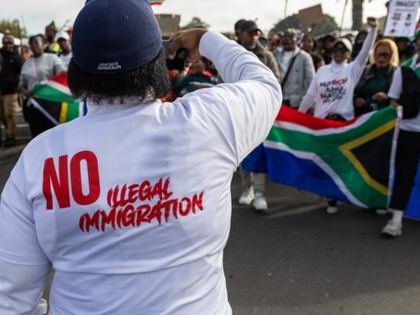
The leaders of South Africa’s anti-migrant movement claim that Black African migrants are primarily responsible for unemployment, crime, and failing public services. None of these claims is supported by evidence.

Although the UAE doesn’t occupy territory, it arms militias, controls ports, and launders violence through the language of development. Sudan is paying the price.
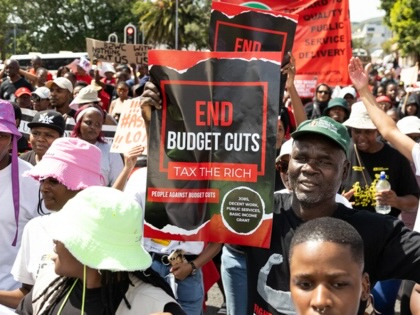
If the South African left cannot engage the messy, contradictory spaces where working class politics are actually happening, then it cannot lead.
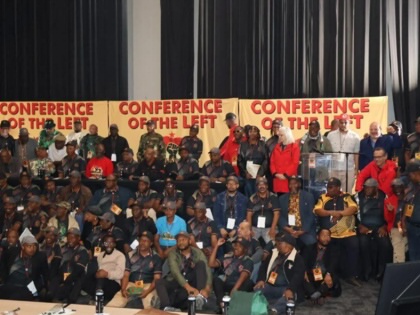
A much-anticipated “Conference of the Left” was supposed to unite South Africa’s progressive forces. Instead, it confirmed the harder truth: the left doesn’t need unity, it needs rebuilding.
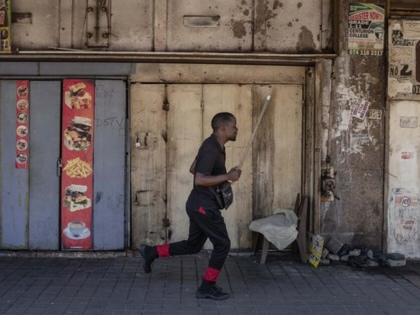
In South Africa, one of xenophobia’s quieter moral mechanisms is the way foreign wrongdoing is made to carry more meaning than citizen wrongdoing.
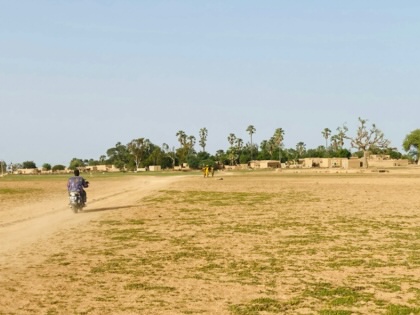
The violence unfolding in Mali reflects a deeper political impasse: how to sustain popular aspirations for emancipation without collapsing into military authoritarianism.
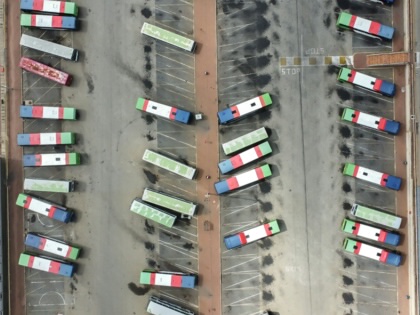
Across Africa, governments are elevating STEM education while sidelining the humanities. But science and technology are never neutral, and technical expertise alone cannot transform society.
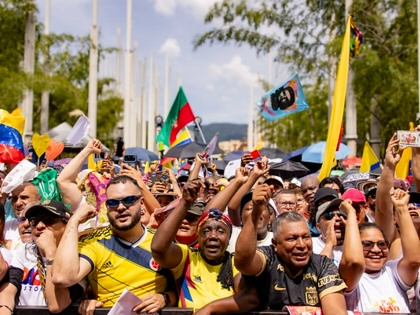
Gustavo Petro’s “economy for life” speaks to real crises. But without a rigorous political economy behind it, progressive movements risk mistaking the symptoms for the disease.

From Latin America to Africa, the struggle over minerals, energy, and sovereignty is forcing a deeper reckoning with capitalism, climate change, and the unequal architecture of the global economy.
In the United States, Arabs are rendered white or nonwhite depending on the political needs of empire, war, and racial control.