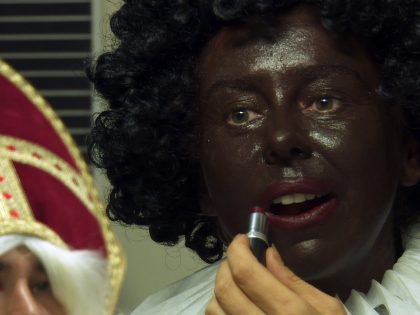
Tis the blackface season in the Netherlands
Zwarte Piet is just more evidence of how the Dutch majority silences and denies racist realities, especially that of black people there.
Zwarte Piet is just more evidence of how the Dutch majority silences and denies racist realities, especially that of black people there.
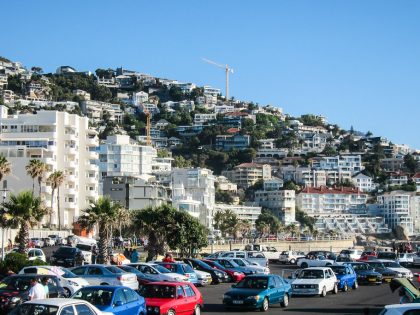
This and other lessons from the South African front lines.
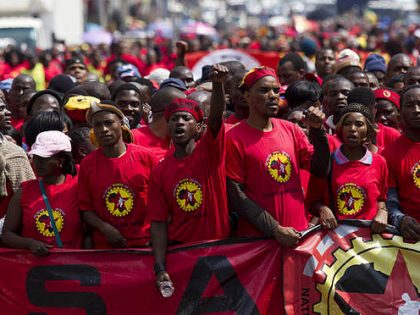
The split within South Africa's largest trade union federation, COSATU.
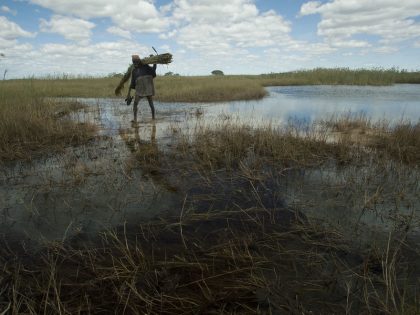
When President Michael Sata died, Western media ignored his political legacy and fixated on acting president Guy Scott’s whiteness treating him like a novelty rather than analyzing Zambia.
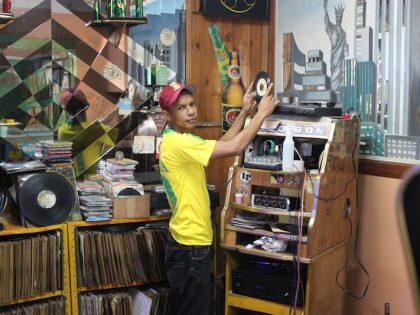
An interview with political scientist Domingos Manuel de Rosário, of Universidade Eduardo Mondlane in Maputo, about the October 2014 elections.
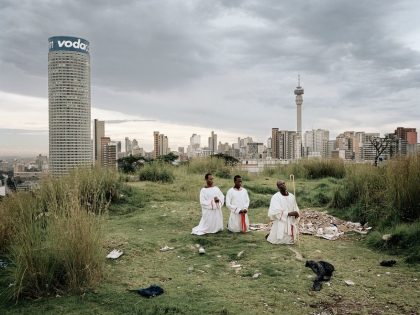
Rather than the endpoint of the post-apartheid urban crisis, deficient delivery reproduces it anew, accentuating discontent in the process.
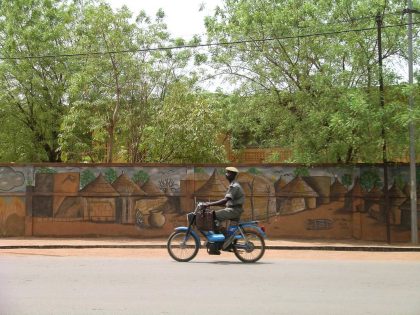
The post-coup power struggle is between factions of the military with very different interests and goals.
And can someone tell the BBC: No, Blaise Compaore is not a "peacemaker."
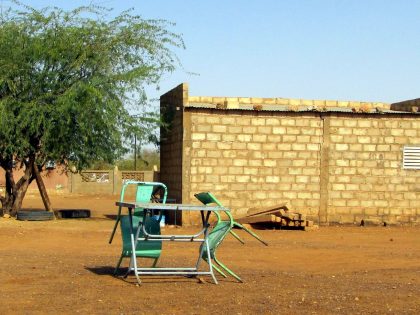
Will popular resistance against the one-party rule of President Blaise Compaore in Burkina Faso succeed?
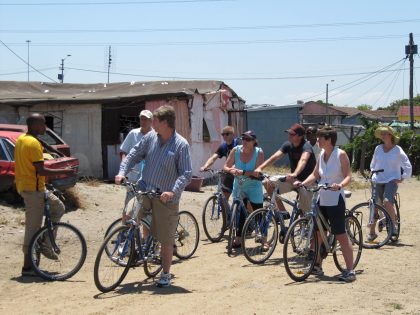
Social justice tours are tours which take the tourist through low income, economically depressed or working class neighborhoods.
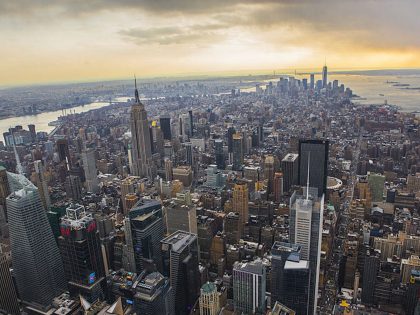
Why is the conversation in New York about what the government will do about an epidemic, while for West Africa many look instinctively to NGOs?
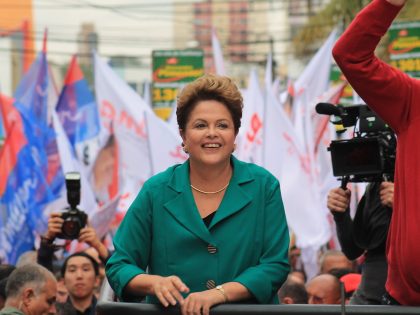
Many Brazilian voters are so disillusioned with politics that in this traditionally left-leaning, post-right military dictatorship society, the right has made surprising gains in this election.
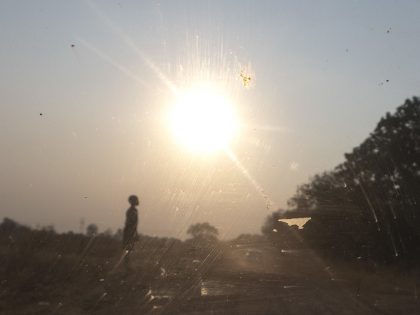
Zambia - the country its young people fondly call “Zed” - turns 50 in 2014. It was part of the first wave of African countries to gain independence in the 1960s.
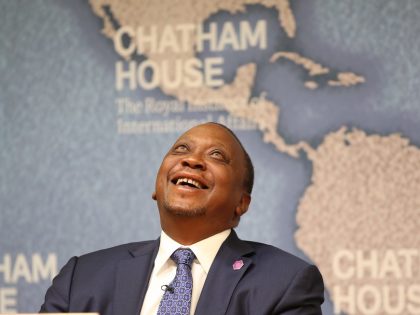
Uhuru Kenyatta went to The Hague to defend himself against charges of war crimes. He's always managed to stay one step ahead of the Court.
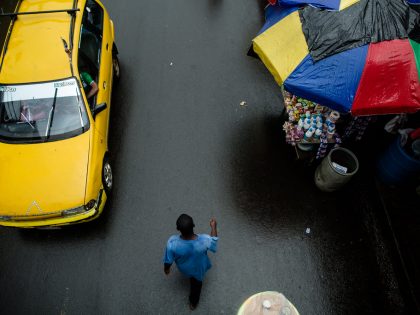
While health professionals are crucial frontline responders, the Ebola crisis is indeed too important to be left to medical personnel.
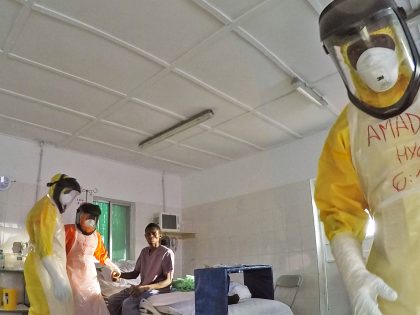
It is clear that the way in which the outbreak is portrayed in popular media has contributed to confusion, fear and a panicked response.
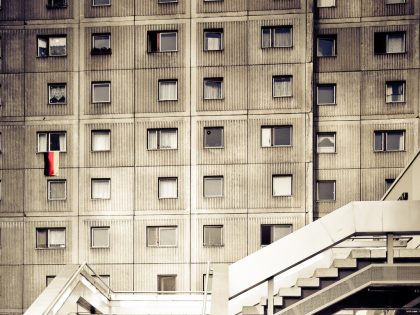
The general trend has been to make immigration more difficult, rather than improving the conditions for asylum seekers and refugees.