Politics
The fruit of gender equality
It turns out the majority of Burkinabé favor progressive change on gender rights.
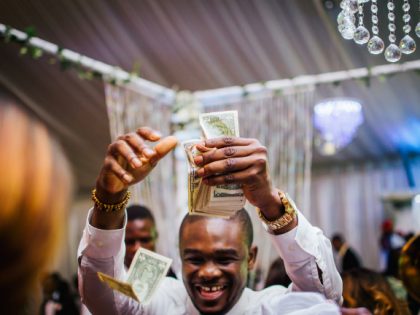
Like a bad joke
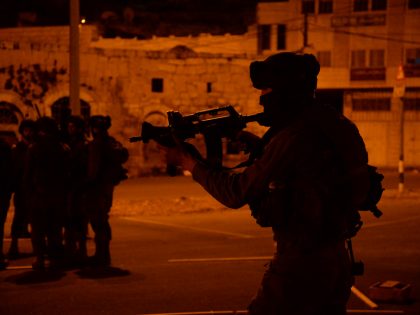
Israel's arms exports to African countries has more than doubled in the last four years: African countries spent $223m on Israeli arms in 2013 compared to $107m in 2012.
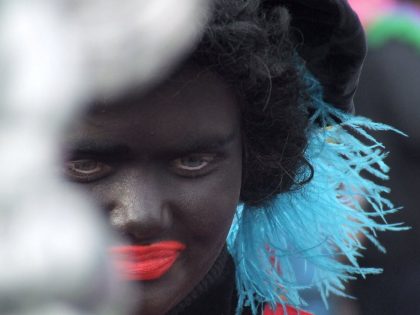
Germany has its own “Sinterklaas Scandal”
Why is it so difficult to understand when we Africans say that it’s offensive?
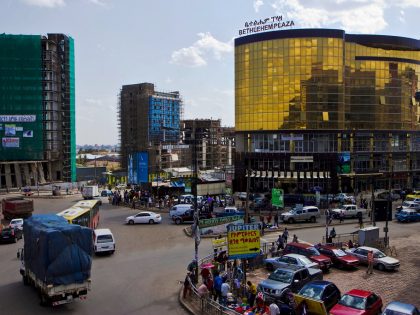
Let’s talk about ethnicity and nationalism in Ethiopia
Politics in and about Ethiopia has become so heavily “ethnicized” that we have a difficult time distinguishing between ideology and identity.
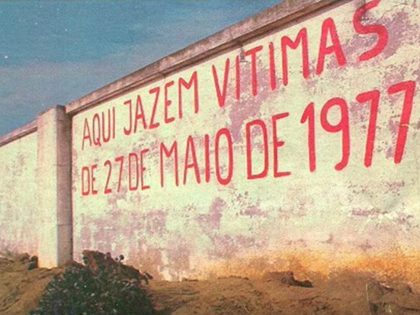
Angola’s Forgotten Massacre
Lara Pawson's book about the complex and violent events on and after the 27th of May, 1977: the date of a supposed coup d’etat in Luanda, Angola.
Who profits from the production of blackface?
The Dutch state and its economy are profiting generously from their annual blackface partay.
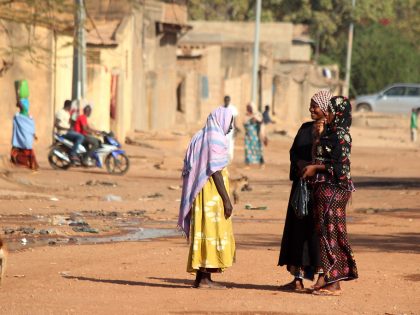
The Upright Citizens of Burkina Faso
Burkinabe want to sweep out bad governance, political patronage, poverty, lack of respect for human rights and freedom of speech.
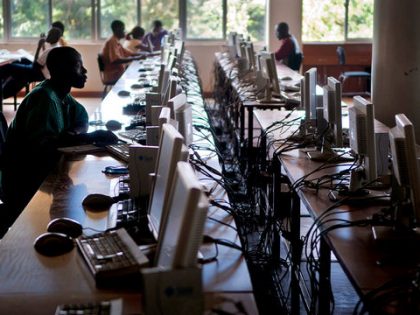
Can an algorithm be racist?
Google translators limitations make for sometimes funny, sometimes dangerous results.
Make Ignorance History
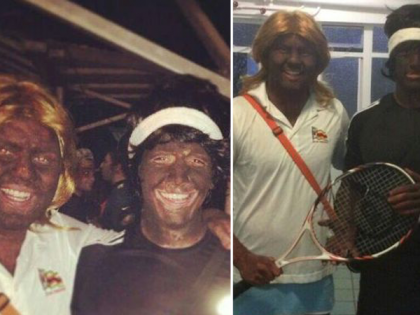
That old excuse of ‘We didn’t know’ (previously also heard as ‘Ons het nie geweet nie’ and ‘Wir haben es nicht gewuszt’) may be factually accurate, but it is never an ethical defense.
The Contemporary Mark of Assata Shakur
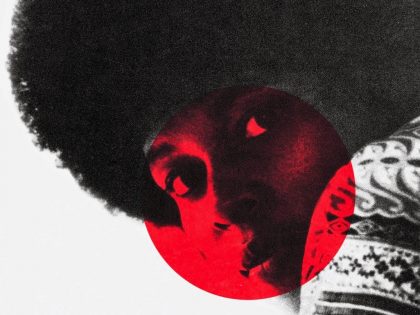
The Black American activist's relevance for today's generation following the killing of Mike Brown by police, and the suppression of protests in Ferguson, Missouri.
To Live and Die with Ebola in Liberia
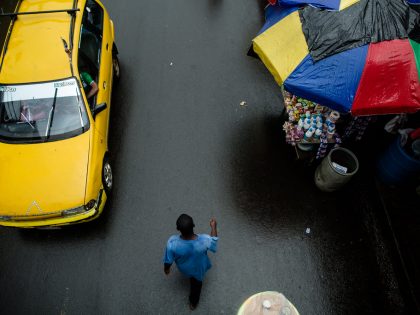
The idea that this has been a crisis only of the country’s health care systems is wrong. This has also been a crisis of governance.
Necolonialism and Ebola
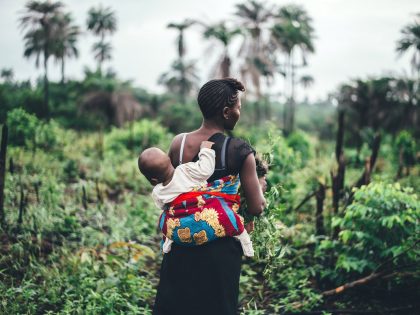
Why are affected West African states so spectacularly ill-prepared to deal with Ebola?
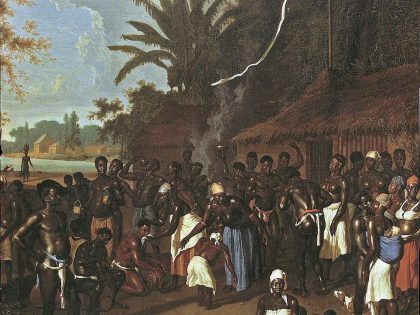
The Economist has a slavery problem
To repeat: The Economist magazine has had a "Slavery Problem" since 1843.
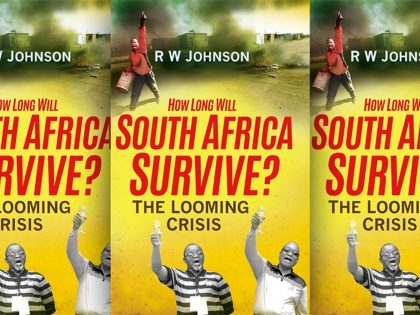
What’s the matter with . . . R.W. Johnson
And why is the London Review of Books giving Johnson, a rightwing South African liberal, a regular platform to espouse his rantings?
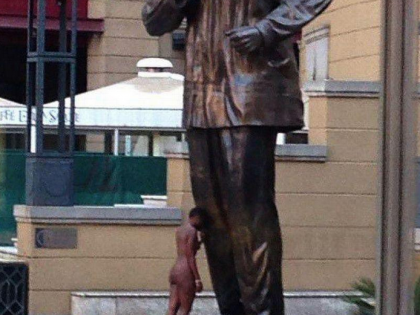
The Naked Woman on Mandela Square
Her nudity wakes us up, either in protest or solidarity to the fact that everything is not okay in South Africa.
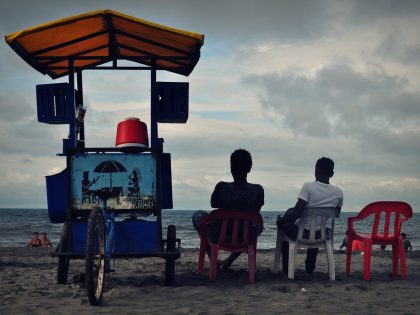
Let’s talk about racism in Colombia
Mainstream media (and therefore, the majority of the population) in Colombia believe that racism is just a problem of a “few bad apples."