On Safari
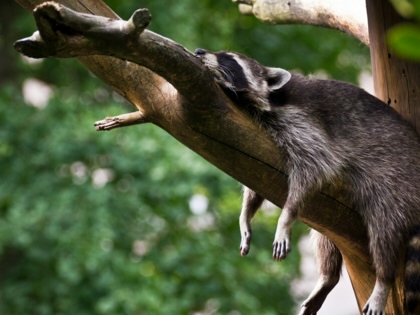
This publishing break, we contemplate why we’re all feeling so burnt out.
This publishing break, we contemplate why we’re all feeling so burnt out.
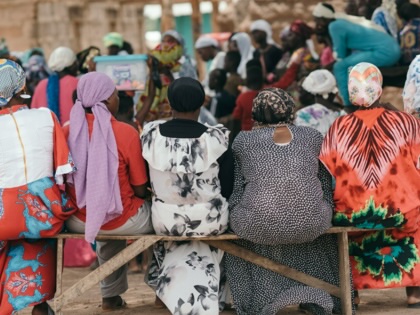
A charter twenty African governments just endorsed defends seed sovereignty and economic independence in one breath, and moves to gut abortion and queer rights in the next.
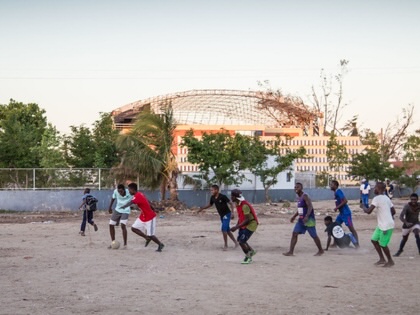
Joseph O’Neill’s new novel follows a Pittsburgh writer chasing a West African wonderkid. It’s also a story about who profits every time the world goes looking for the next Eusébio.
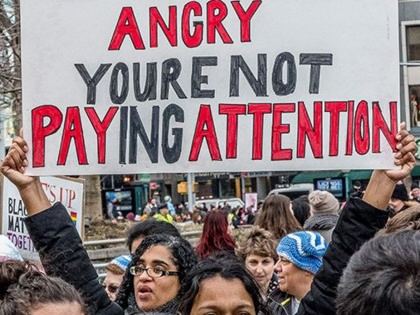
From the Epstein files to a World Cup trailed by rape charges and a hush-money settlement, the public has gotten remarkably good at feeling outrage. What it hasn’t learned is what to do with it.
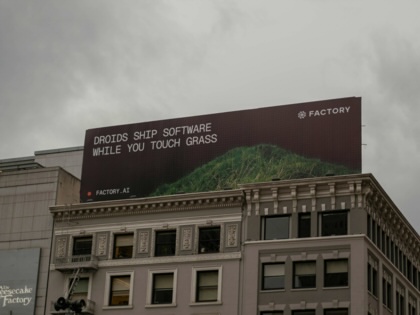
Africa’s new AI factories promise digital sovereignty. Their electricity deals may instead create private power islands inside public systems.

From leapfrogging optimism to warnings of a new extraction economy, the frameworks now defining Africa’s AI moment will decide who gets to shape the future and who is shaped by it
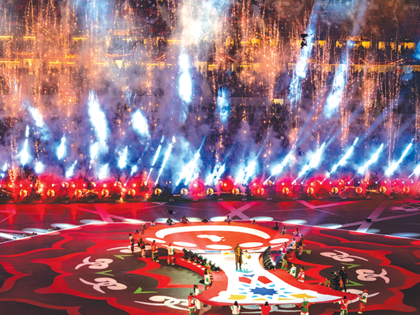
Can a continent dominate global football while losing control of its own game?
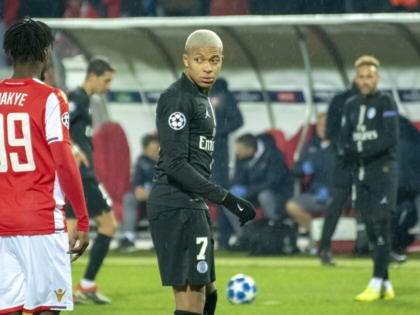
Football’s three mixed Maghrebi and Black African stars are not emissaries of a new pan-Africanism. And the continent doesn’t need them to be.
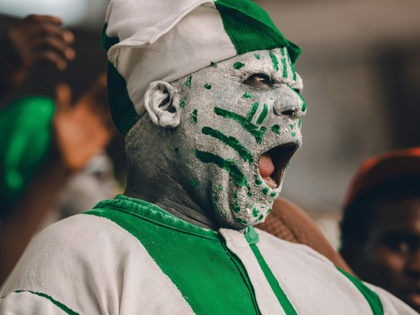
Part performer, part cultural ambassador, and increasingly, a political flashpoint.
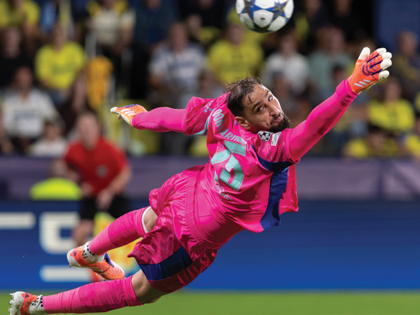
As club football becomes increasingly placeless and commercialized, international football begins to feel strangely real again.
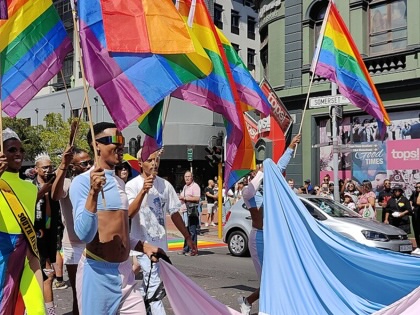
Despite renewed efforts to criminalize and erase queerness, LGBTQ Africans continue to challenge the myth that their lives and identities are somehow un-African.
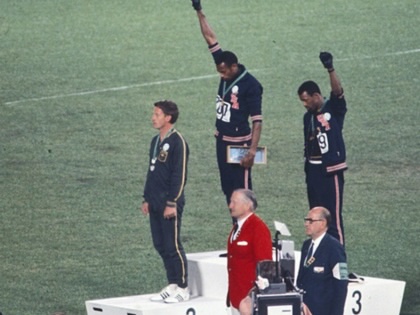
The refusal of the US government to admit Somali referee Omar Artan is a reminder that the United States has a long history of using sports as a tool of exclusion, especially when it comes to African and African-descended athletes.
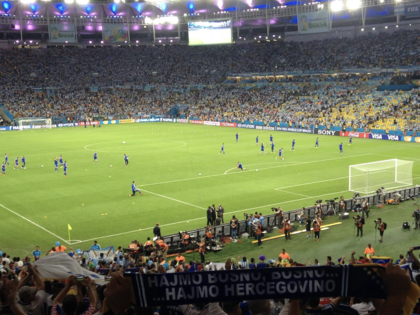
Bosnia’s World Cup squad is built on the descendants of war and displacement, players raised across Europe and North America who are finding their way back through football.
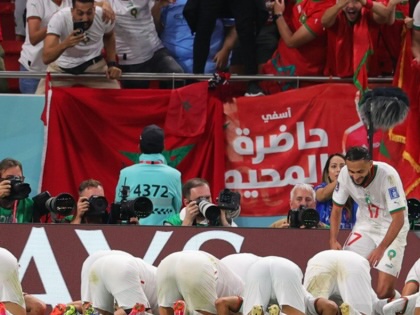
Why are the religious practices of African footballers treated as strange when athletes around the world turn to faith and superstition to navigate the game’s uncertainty?
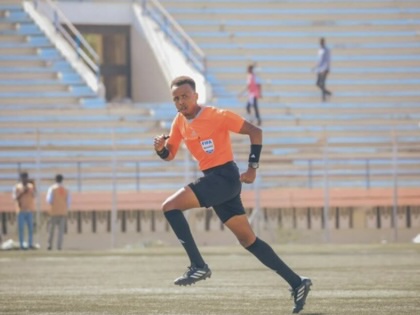
The exclusion of Somali referee Omar Artan hardens the contradiction at the heart of the 2026 World Cup: a global tournament increasingly shaped by the politics of exclusion.
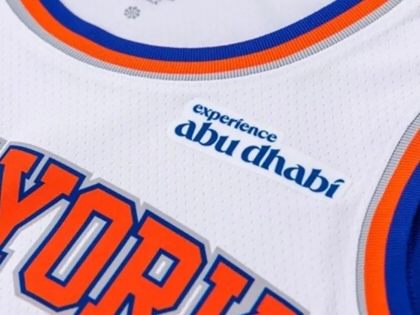
Although the UAE doesn’t occupy territory, it arms militias, controls ports, and launders violence through the language of development. Sudan is paying the price.
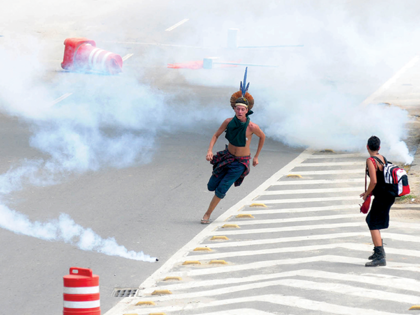
The World Cup was born from imperial rivalry and nationalist aspiration. Almost a century later, it still oscillates between mass hope and elite spectacle.
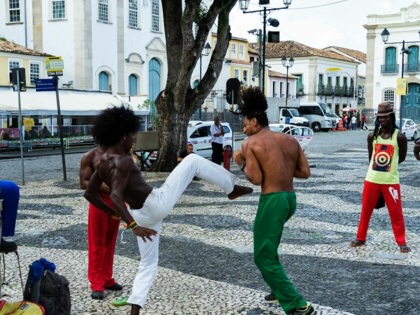
AI tools are built on Eurocentric datasets. For Brazil’s Afro-descendants — whose histories were already marginalised from literature, academia, and media — it poses the threat of industrial-scale erasure.
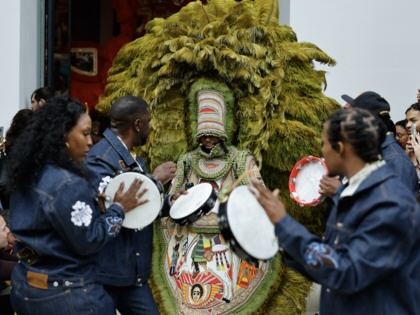
At the 61st Venice Biennale, the late Koyo Kouoh’s decolonial vision shaped a landmark exhibition, even as questions of representation, solidarity, and cultural authority continued to haunt the African pavilions.
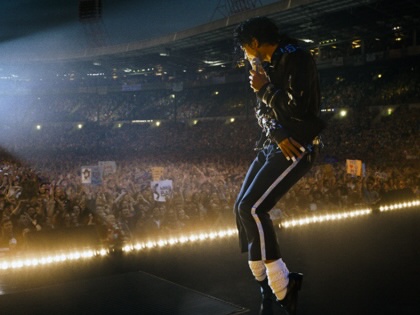
The new Michael Jackson biopic turns a politically conscious Black artist into a raceless fantasy figure, erasing the civil rights struggles, global solidarities, and histories that shaped him.