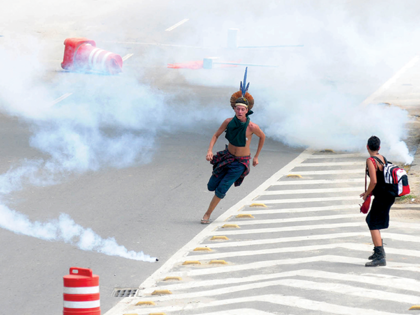
What is the World Cup for?
The World Cup was born from imperial rivalry and nationalist aspiration. Almost a century later, it still oscillates between mass hope and elite spectacle.
The World Cup was born from imperial rivalry and nationalist aspiration. Almost a century later, it still oscillates between mass hope and elite spectacle.
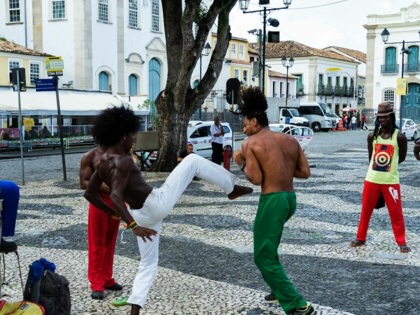
AI tools are built on Eurocentric datasets. For Brazil’s Afro-descendants — whose histories were already marginalized from literature, academia, and media — it poses the threat of industrial-scale erasure.
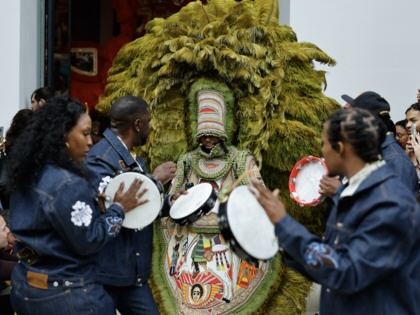
At the 61st Venice Biennale, the late Koyo Kouoh’s decolonial vision shaped a landmark exhibition, even as questions of representation, solidarity, and cultural authority continued to haunt the African pavilions.
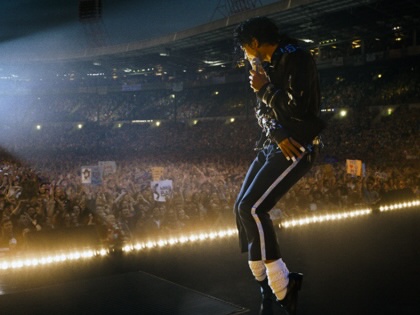
The new Michael Jackson biopic turns a politically conscious Black artist into a raceless fantasy figure, erasing the civil rights struggles, global solidarities, and histories that shaped him.
Across Africa, governments are elevating STEM education while sidelining the humanities. But science and technology are never neutral, and technical expertise alone cannot transform society.
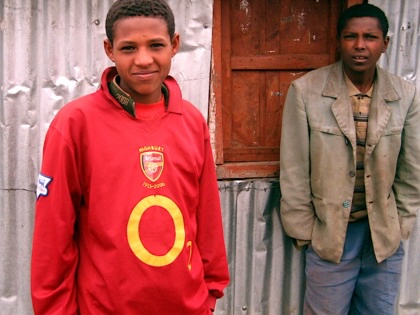
Under Arsène Wenger, Arsenal FC transformed English football’s relationship to African players, becoming a symbol of diaspora identity, Black internationalism, and global modernity.
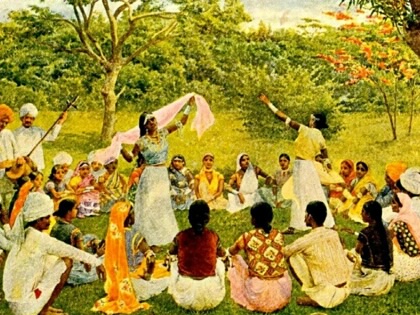
The Granta controversy surrounding a Commonwealth Prize-winning story tells us less about AI than about the enduring metropolitan expectation that writing from the South should sound opaque, excessive, and primitive.
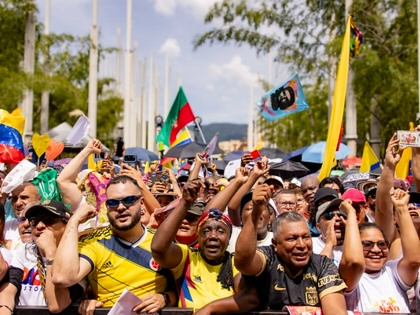
Gustavo Petro’s “economy for life” speaks to real crises. But without a rigorous political economy behind it, progressive movements risk mistaking the symptoms for the disease.
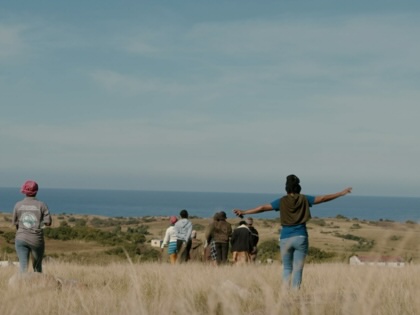
From Latin America to Africa, the struggle over minerals, energy, and sovereignty is forcing a deeper reckoning with capitalism, climate change, and the unequal architecture of the global economy.
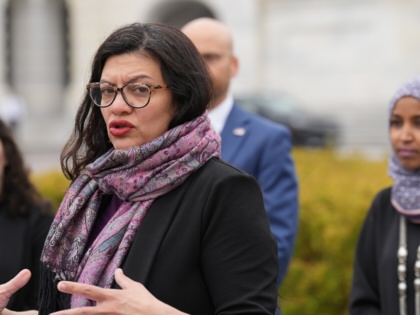
In the United States, Arabs are rendered white or nonwhite depending on the political needs of empire, war, and racial control.
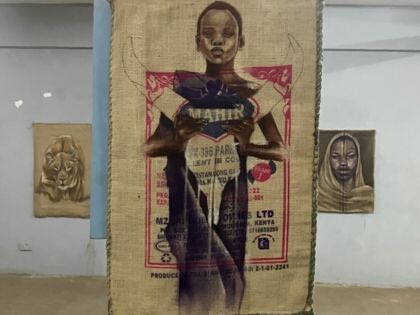
From Nairobi to Khartoum, Kampala to Addis Ababa, a new digital magazine maps how the interconnected forces of political repression, class exclusion, and patriarchy are shaping artistic life across Africa.

As the US-Israel war on Iran disrupts fertilizer supply, Africa’s reliance on imported inputs exposes the deeper political economy driving food insecurity.
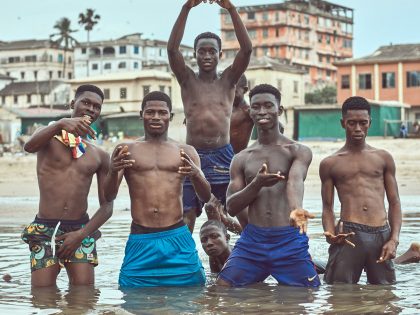
Although increasingly celebrated as an asset, Africa’s youth remain locked out of power and decent work.
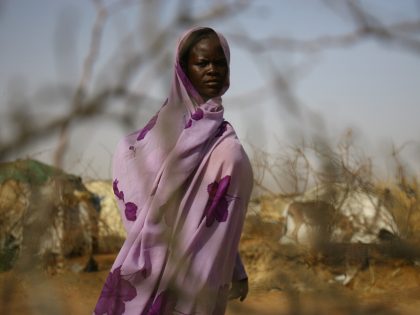
Often in war, language is twisted and used to change meaning, to dehumanize, to invent enemies, and to justify atrocities.

Despite commercialization and elite capture, the world’s most popular sport still generates forms of collective life that resist the logic of capitalism.
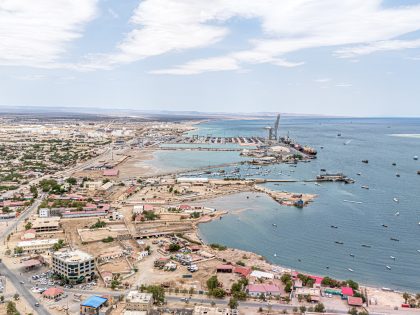
The withdrawal from the port city of Berbera by regional powers distracted by war, marks the end of an external system that managed the Horn of Africa — and the beginning of a deeper structural collapse.
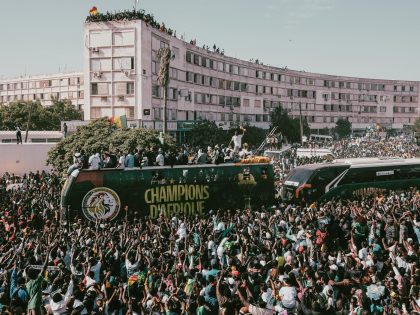
Behind the refereeing drama and rising revenues, AFCON 2025 exposed a tournament increasingly shaped by global capital rather than the long-term health of African football.
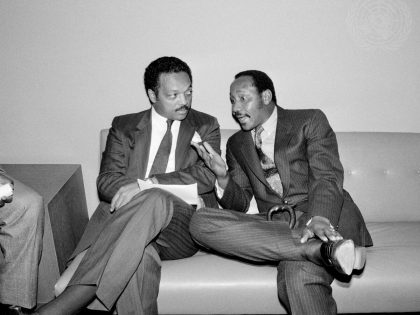
Honored in Yorubaland as “one who repairs the world,” Jesse Jackson’s life bridged civil rights, pan-Africanism, empire, and contradiction — leaving behind a legacy as expansive as it was imperfect.
What happens when we stop reading African fiction through European literary history and instead trace its worldmaking through indigenous cosmology?
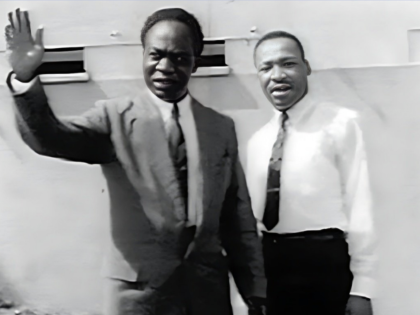
By placing Kwame Nkrumah at the center of a global Black political network, Howard W. French reveals how the promise of pan-African emancipation was narrowed — and what its failure still costs Africa and the diaspora.