Art under siege
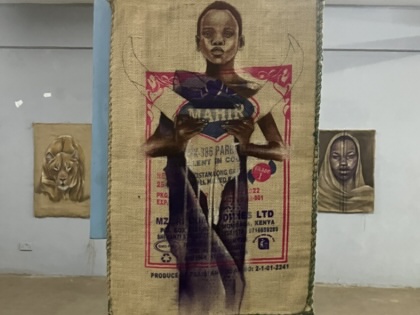
From Nairobi to Khartoum, Kampala to Addis Ababa, a new digital magazine maps how the interconnected forces of political repression, class exclusion, and patriarchy are shaping artistic life across Africa.
From Nairobi to Khartoum, Kampala to Addis Ababa, a new digital magazine maps how the interconnected forces of political repression, class exclusion, and patriarchy are shaping artistic life across Africa.

In today’s India, stories of terrorism and national humiliation are being reworked into fantasies of decisive power — blurring the line between memory, myth, and politics.
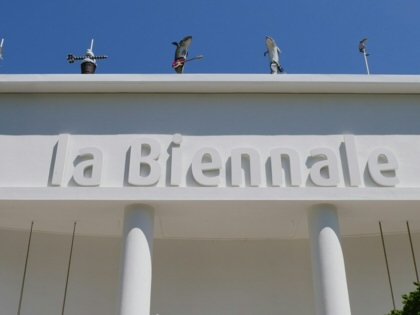
As Somalia makes its first appearance at the Venice Biennale, some Somali artists are questioning who gets to represent the nation — and on whose terms.

As the US-Israel war on Iran disrupts fertilizer supply, Africa’s reliance on imported inputs exposes the deeper political economy driving food insecurity.
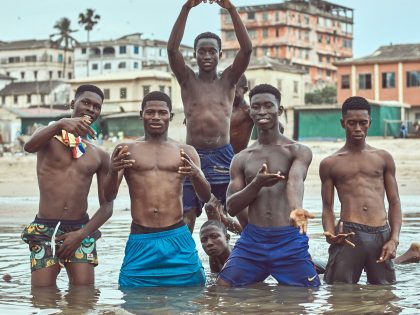
Although increasingly celebrated as an asset, Africa’s youth remain locked out of power and decent work.
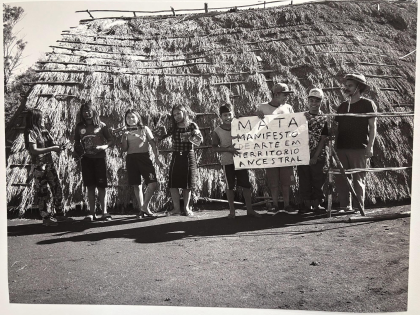
Paulo Nazareth's latest show in Berlin follows the cunning architecture of power, from Germany to Brazil and across continents and epochs.
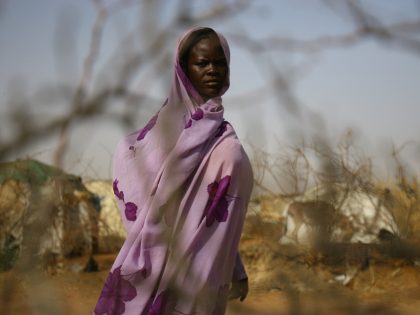
Often in war, language is twisted and used to change meaning, to dehumanize, to invent enemies, and to justify atrocities.

In revisiting her relationship with her mother, Roy shows how intimacy, violence, and love forged the sensibility behind her uncompromising political life.

Despite commercialization and elite capture, the world’s most popular sport still generates forms of collective life that resist the logic of capitalism.
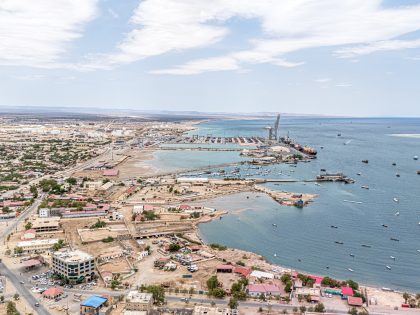
The withdrawal from the port city of Berbera by regional powers distracted by war, marks the end of an external system that managed the Horn of Africa — and the beginning of a deeper structural collapse.
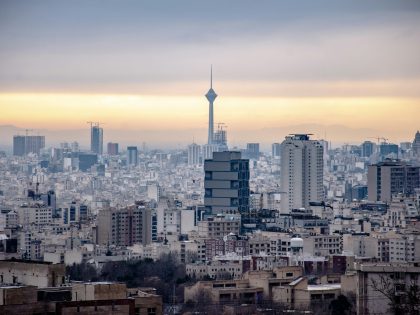
Israel’s campaigns in Gaza, Lebanon, and Iran are not discrete crises but interconnected fronts in a broader project of regional dominance.
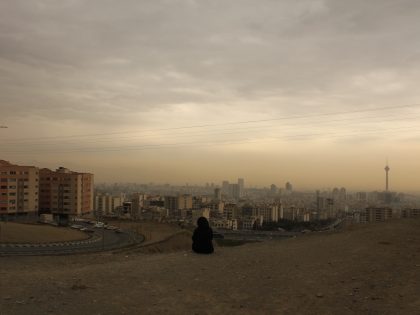
Between imperial narratives and state propaganda, debates about the war on Iran often erase the diversity of Iranian society and the voices of its marginalized communities.
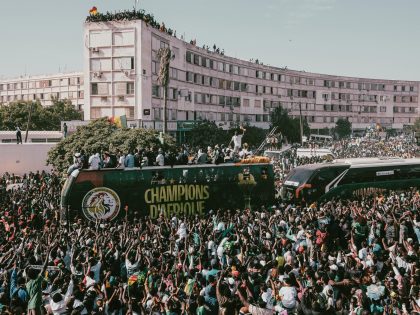
Behind the refereeing drama and rising revenues, AFCON 2025 exposed a tournament increasingly shaped by global capital rather than the long-term health of African football.
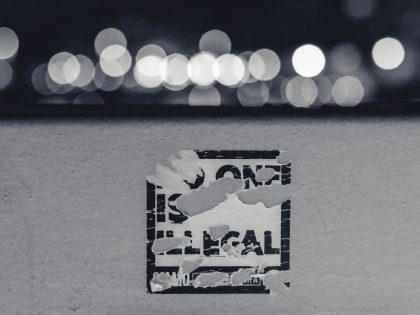
France’s mass deportation orders reveal how colonial logics persist in migration policy, turning former subjects into administrative problems to be expelled.
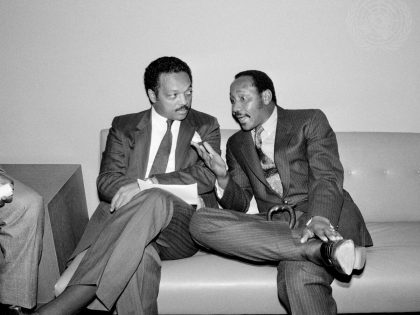
Honored in Yorubaland as “one who repairs the world,” Jesse Jackson’s life bridged civil rights, pan-Africanism, empire, and contradiction — leaving behind a legacy as expansive as it was imperfect.
What happens when we stop reading African fiction through European literary history and instead trace its worldmaking through indigenous cosmology?
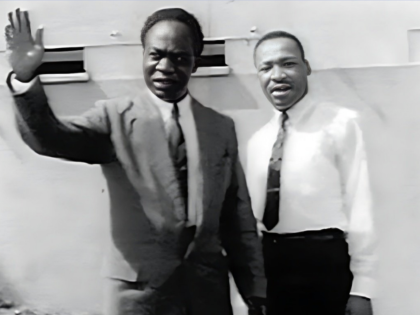
By placing Kwame Nkrumah at the center of a global Black political network, Howard W. French reveals how the promise of pan-African emancipation was narrowed — and what its failure still costs Africa and the diaspora.

iShowSpeed’s Africa tour is widely celebrated as respectful and refreshing, yet it operates within a long tradition of racialized spectacle that turns Africa into content and Blackness into performance.
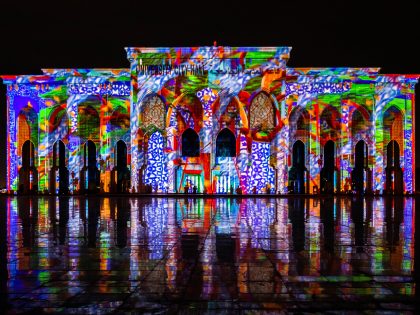
Can a festival meaningfully applaud African creativity while its sponsor profits from African death?
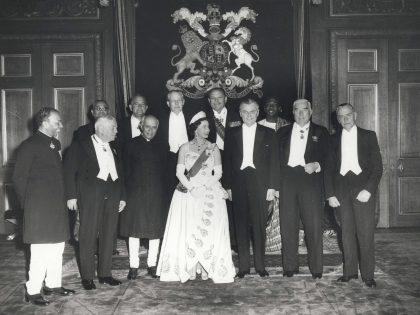
From colonial accounting tricks to modern tax havens, Nkrumah understood how capital escapes, and why political independence was never enough.