
Ebola: Where we are; where we should be
Is it coincidental that nation-states just emerging from brutal civil wars cannot cope with Ebola because of their broken institutions?
6392 Article(s) by:
Fatima B. Derby is a Ghanaian feminist writer and queer activist.
Is it coincidental that nation-states just emerging from brutal civil wars cannot cope with Ebola because of their broken institutions?

It is clear that the way in which the outbreak is portrayed in popular media has contributed to confusion, fear and a panicked response.

The general trend has been to make immigration more difficult, rather than improving the conditions for asylum seekers and refugees.

The fact that the choices for black people under Apartheid were either martyrdom or compromise was part of the injustice of that system.


The filmmaker considers himself to be a filmmaker who happens to be African: He is driven by the art of storytelling; so his context is African but his film language is global.
It turns out the majority of Burkinabé favor progressive change on gender rights.


Israel’s arms exports to African countries has more than doubled in the last four years: African countries spent $223m on Israeli arms in 2013 compared to $107m in 2012.

I am afraid of Ebola because it is an enemy of critical and balanced thinking about Africa, about disease, about our common humanity.

Legacies of colonialism and apartheid are etched into social dynamics of the town in the way its inhabitants occupy public space. The same goes for the university.

Why is it so difficult to understand when we Africans say that it’s offensive?


Politics in and about Ethiopia has become so heavily “ethnicized” that we have a difficult time distinguishing between ideology and identity.

Differences can be harmonious and allow people to come together despite their background and roots.
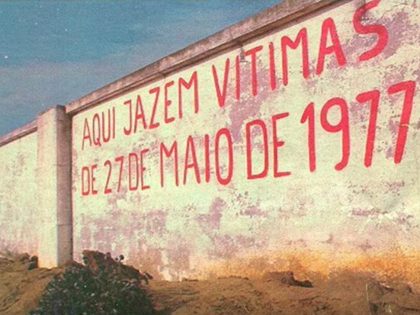
Lara Pawson’s book about the complex and violent events on and after the 27th of May, 1977: the date of a supposed coup d’etat in Luanda, Angola.