
Algeria, Sudan, and the Arab Spring
The mass of people in North Africa are still a force to be reckoned with and the region is still far away from a return to authoritarian stagnation.
6429 Article(s) by:
Paul Milchik is a pseudonym for the author of this piece. His name has been changed due to his status as an international student in the US during the second Trump administration, in a context where foreign students have been targeted for detention and deportation as a result of expressing pro-Palestinian views.
The mass of people in North Africa are still a force to be reckoned with and the region is still far away from a return to authoritarian stagnation.

Everyday Lagos and Lagosians fill the pages of Leye Adenle’s thrillers, but fail to fill some holes in the plots.

The new comedy ‘Matwetwe’ hits all the right chords to tell a story about the current place and time of South African youth.

News of a potential cure for HIV shouldn’t lead us to complacency. There are 37m people in the world with HIV, nearly half who can’t access treatment.

Religious authorities in Senegal are organizing protests against a popular TV series. The outrage could be related to the challenges the series provokes of the “proper” place of women in society.
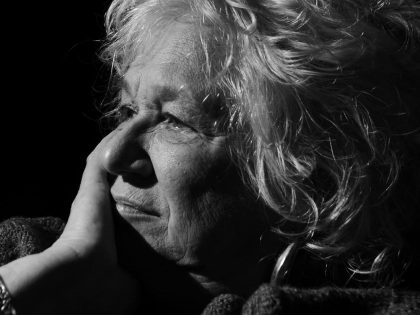
A new memoir by South African-American Stephanie Urdang offers a remarkable and feminist view of love, longing and revolutionary struggle.

Every time you project terror onto Somalis, remember to ask how we live in Mogadishu.

Beyond immediate disaster relief, sustainable global responses to climate change require greater and more predictable funding to strengthen the resilience of the planet’s most vulnerable regions.

The authors of an upcoming edited book to revisit Samr Amir’s legacy in economics, write about what they wanted to achieve.

European nations increasingly look to the physical space of African nations for potential solutions to their racial and demographic anxieties.

The documentary Welcome to Sodom gets most of its facts wrong about the so-called “largest electronic waste dump in the world.”

Mali can’t guarantee its citizens that it will protect them.

A discussion with Nabil Ayouch, the French-Moroccan filmmaker, who captures the struggle for outsiders who exist in an oppressive society.

Teachers are undervalued around the world. The Lesotho teachers strike is yet another case to prove that point.

The bases on which Israel’s supporters believe it is subject to unfair criticism, are eerily similar to the rationalizations of apartheid South Africa’s defenders in the 1970s and 80s.

A radical critique of the discourse on terrorism and, specifically, of repeated Israeli and US claims to moral superiority in the fight against “terrorism,” is long overdue.
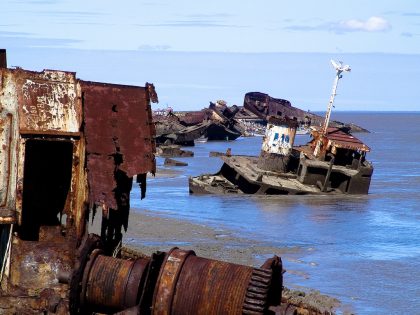
Cyclone Idai exposed a state weakened by an extractivist development model and captured by global capital, exposing ordinary Mozambicans.
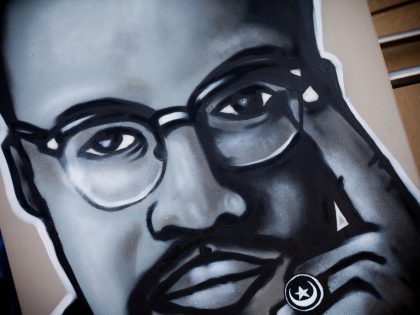
Malcolm X is a powerful optic through which to understand America’s post-war ascendance and expansion into the Middle East.

Why Venezuela’s turmoil and the Khashoggi crisis portend an even darker geopolitics of oil.

Once we’re done talking about its viral quality, is Toto’s “Africa” a song about the continent with the same name, or a song about how millions of enslaved Africans were brought to the Americas?