
The People vs 4G internet and other corona stories from Kenya
This crisis has further emphasized the neglect of Kenya’s poor by the government, and is therefore “a wake up call that we are on our own.”
6428 Article(s) by:
Paul Milchik is a pseudonym for the author of this piece. His name has been changed due to his status as an international student in the US during the second Trump administration, in a context where foreign students have been targeted for detention and deportation as a result of expressing pro-Palestinian views.
This crisis has further emphasized the neglect of Kenya’s poor by the government, and is therefore “a wake up call that we are on our own.”

Among the books historian Tallie has on his reading list is one about the food of the American Old South—“… a forgotten Little Africa but nobody speaks of it that way.”

The evolution of techno, from within Detroit’s African-American community to Kampala, Uganda.

Au crépuscule du règne de Ouattara en Côte d’Ivoire.

We know what will happen with this new virus, and so I cannot blissfully self-isolate.

A new book explores the rationale of Israel’s efforts to expand its influence on the African continent.

Coronavirus and the problematic perception of migrants as health threats.

What lessons can we learn for today from the 2008-09 cholera outbreak in Zimbabwe?

Why we need to make climate action our daily duty.

A new effort to block chocolate imports from Cote d’Ivoire to the US brings attention to cocoa’s problematic supply chain.
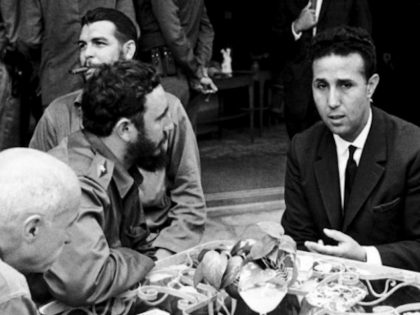
In the 1960s, Algiers was a beacon for worldwide liberation movements. What happened to its rebellious spirit?

The coronavirus pandemic places moral, economic, and political questions before us. Only two answers remain: socialism or barbarism.

The historian of South Africa on books she is reading for a new project on women and anti-apartheid activities in 1950s rural KwaZulu-Natal.

An anthology series, Women Writing Africa, restores women’s writing to the public archive.

Kwame Anthony Appiah’s Lines of Descent (2014) argues that W. E. B. Du Bois’s two years as a graduate student in Berlin vitally informed his views on race and politics.

What the recent World Rugby Sevens Series global championship reveals about national rugby cultures, particularly South Africa’s.

The quest to understand the real cost of gold in our lives and the fate of those trapped in the mining economy’s cage.

Breaking with the usual media conversation about the carnival that recalls Cape Town’s slave past.
The demise of Alassane Ouattara’s presidency in Cote d’Ivoire.

The use of a singular narrative to explain the divisions within Cameroon belies the reality that both anglophones and francophones are complicit in the conflict.