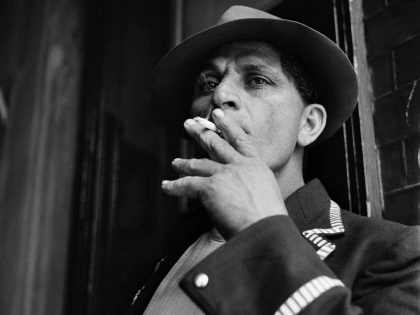
Imagining the South African Indian
How do you tell a different story of Indians in South Africa, one that shatters long-held and reproduced stereotypes?
How do you tell a different story of Indians in South Africa, one that shatters long-held and reproduced stereotypes?
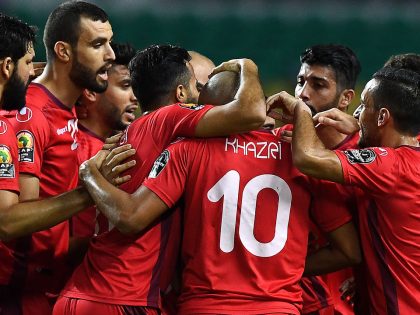
Tunisia played England in France '98. English hooligans attacked Tunisians in the streets of Marseille. Algerians came to Tunisians' rescue.
A remembrance for Father's Day.
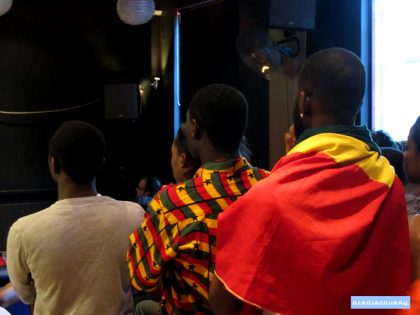
One Ghanaian football fan wrestles with which teams to support in this year's World Cup after the Black Stars failed to qualify.
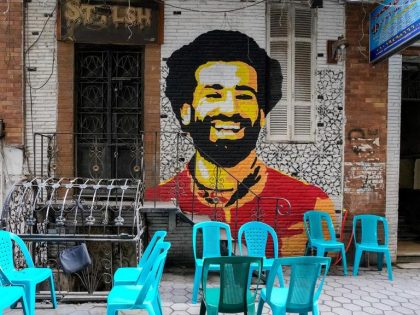
Reflections on World Cup fever from Cairo and my Canadian immigrant father's Egyptian football nationalism.
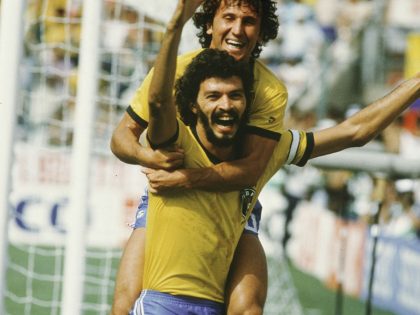
We are exploring the culture and history of the World Cup for the next month while the tournament goes on.
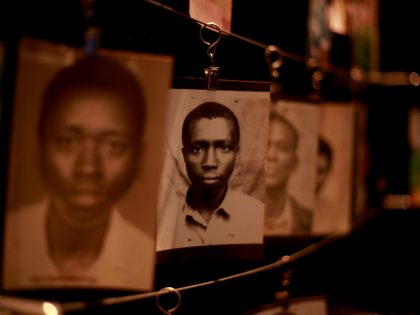
It is worth revisiting the context for the mass killings, how historians have studied it since and casting a revisionist eye.
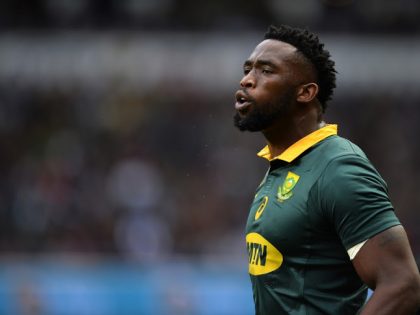
South Africa's national rugby team, the Springboks, gets a black captain for the first time in its history — 24 years after the end of Apartheid.
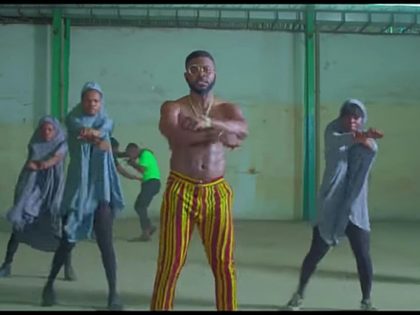
A group of Nigerian thinkers debate rapper Falz's take on Childish Gambino's viral "This Is America."
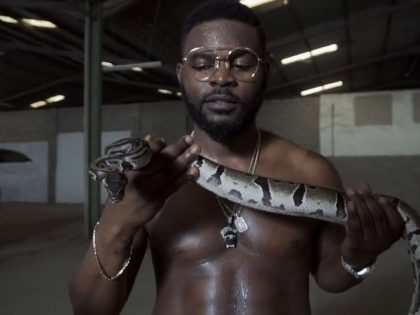
Why has Childish Gambino's "This is America" video resonated with so many people around the world?
Chief Boima and Francesca Harding on race and cultural difference in Latin America through the lens of trap music.
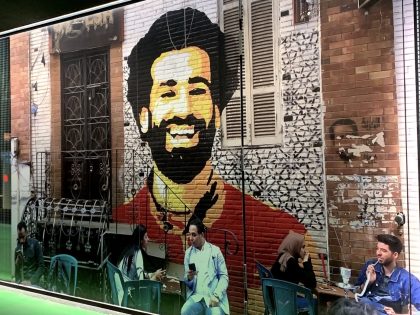
Sergio Ramos' injury to Mohamed Salah in the 2018 UEFA Champion's League final set him up for a world of insults from Egyptian football fans.
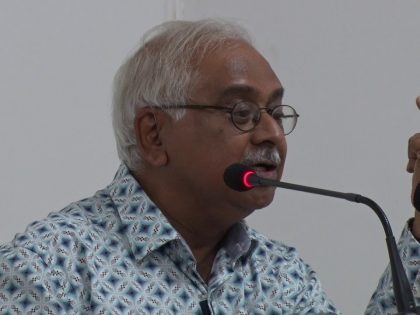
History will reward those thinkers whose ideals and actions remained aligned with the people.
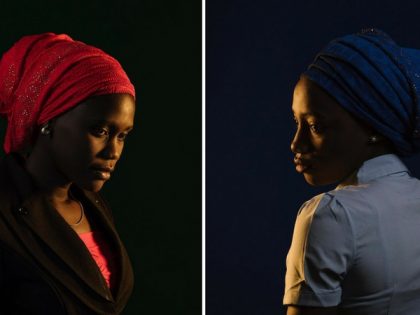
On The New York Times' tone-deaf photo-essays of a group of Nigerian women who managed to escape Boko Haram.
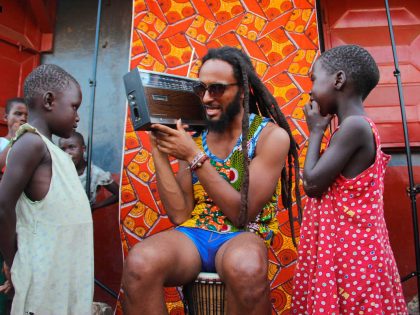
More than a decade after his first hit, Wanlov the Kubolor remains a fiercely creative, independent and critical deconstructor of all things commercial.
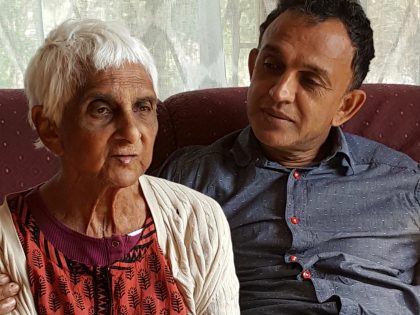
On Mother's Day — a dedication to hardscrabble mothers.
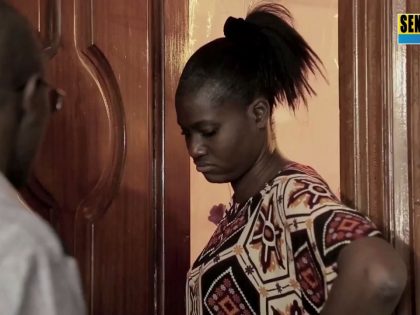
Wolof-centered television may be a beacon of hope for Senegal’s waning cinema culture.

There is very little self-made about Nigeria's young, rich and glamorous like oil magnate Paddy Adenuga and DJ Cuppy.
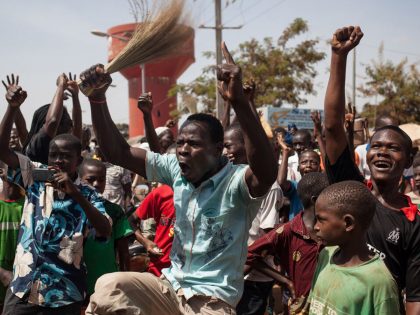
Artists played central roles in the protest movement that ended dictatorship in Burkina Faso.

New Warscapes volume explores travels and lives of migrants and refugees beyond mainstream portrayals.