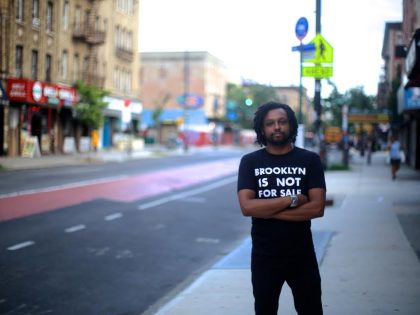
The bad immigrants
Few immigrants make the connection between their immigration status and the potential for deportation if they came into contact with the criminal justice system.
Few immigrants make the connection between their immigration status and the potential for deportation if they came into contact with the criminal justice system.
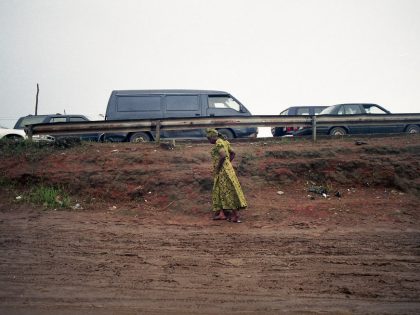
What personal and collective memory is evoked when we encounter films from a historical period?

For the Star Boys, a West-African performance collective based in Antwerp, Belgium, the dream of playing professional football in Europe found its revival in theatre.

The playwright Mfoniso Udofia is trying to debunk the “typical” understanding of Africa, and specifically Nigeria, in her work.

What's missing from feminist readings of Nollywood romantic comedy 'Isoken' are readings that gets at the film's racial politics.
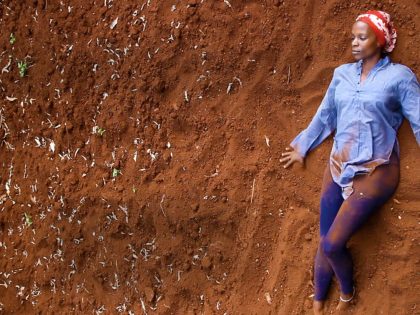
The vivid cinematography of "Waithira," a film about Kenya, aside, the author would have preferred more knots to be tied and a little less untethering.

We consider ourselves an indispensable and integral part of its national life, because it is our home, writes a Zimbabwean scholar.
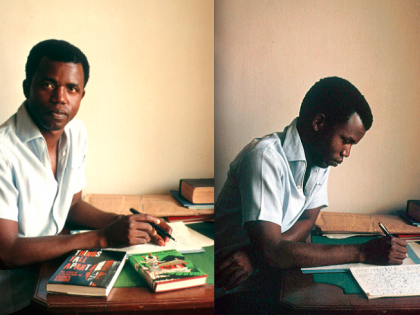
By volume, the most significant body of writing on Biafra is neither history nor fiction, but memoir.

Reflecting on the April 2017 visit of openly gay CNN business news presenter Richard Quest to Nigeria.
Undoing neocolonial power relations that benefit US higher education institutions at the expense of their, mostly global south, “partners.”

Fallists draw on scholars and activists like Fanon and Biko, and concepts like intersectionality, to weave together a decolonial framework.
"It was a lifetime performance of lies and false living. I played the role of a homophobic straight guy while I craved to hold the hands of a guy. I worshipped at the temple of homophobes while I prayed for a man to call my own."

We must make a genuine attempt to Africanize the curriculum at the continent's universities.
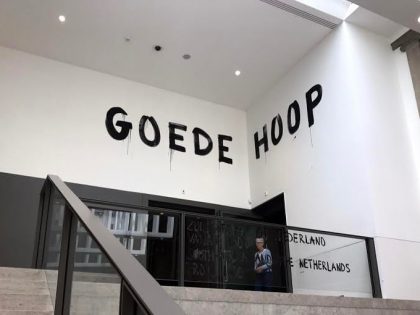
The exhibition 'Goede Hoop: South Africa and the Netherlands from 1600,' in Amsterdam, is like making your way through a hall of mirrors.

New artistic possibilities are boundless for 360° film as the technology becomes more accessible.

For Abdullah Ibrahim, who converted to Islam in 1968, the "most beautiful, potent aspect" of his faith is "the unity of things."
A Kenyan scientist wonders how Senegalese found ways to blend African spirituality with Islam.
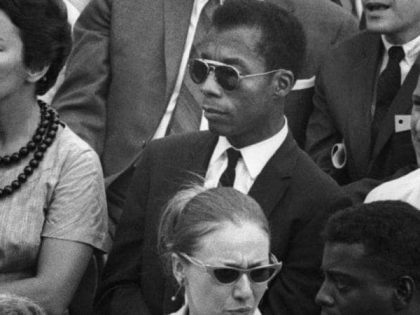
The latest entry of the brilliance of James Baldwin on film, "I Am Not Your Negro," lays bare the fiction and terror of race in American life.

Jordan Peele's 'Get Out' should be seen as part of the Afrofuturism genre, which offers physical and mental liberation through supernatural or non-realistic means.