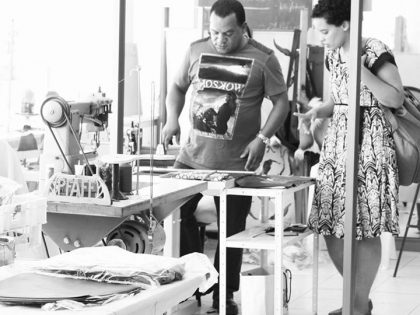
Pan-African fashion that rejects “social entrepreneurship”
Rejecting how African products are marketed to Westerners.
Rejecting how African products are marketed to Westerners.
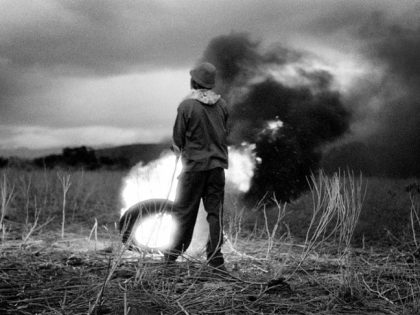
A Cape Town hip hop group causes a huge stir with its music video "Larney Jou Poes" (roughly translated: Boss, your cunt.) depicting an uprising by farmworkers.
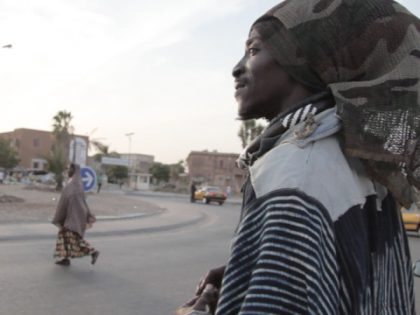
The youthful and creative art scene in Senegal's capital is the subject of director Sandra Krampelhuber’s documentary film, "100% Dakar."
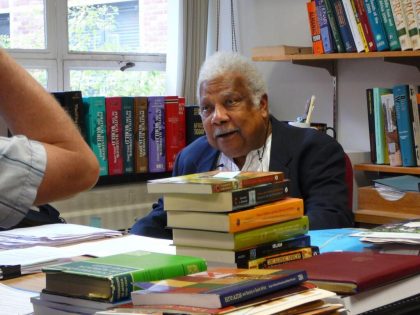
A fateful meeting with Mazrui, the famed Kenyan historian and broadcaster.
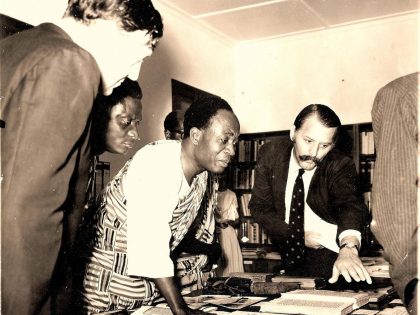
A historian of Ghana, Ivor Wilks was crucial to the founding of African history as an academic discipline in the late 1950s and to its development over subsequent decades.
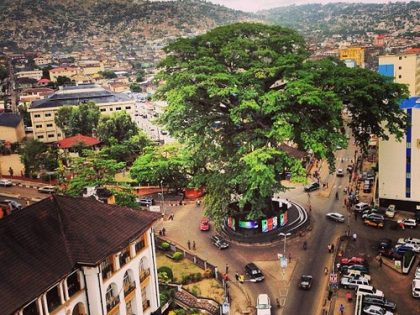
Is it coincidental that nation-states just emerging from brutal civil wars cannot cope with Ebola because of their broken institutions?
The fact that the choices for black people under Apartheid were either martyrdom or compromise was part of the injustice of that system.
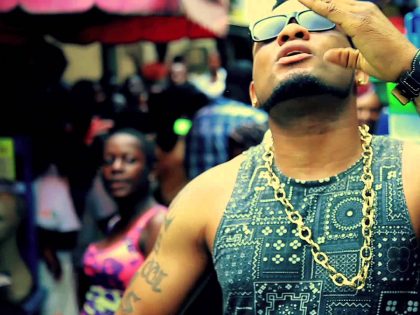
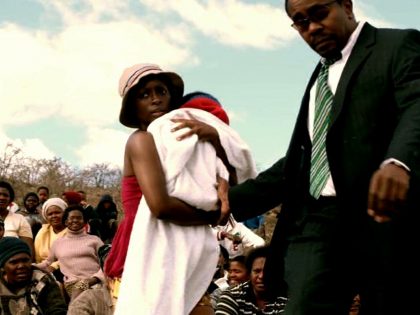
The filmmaker considers himself to be a filmmaker who happens to be African: He is driven by the art of storytelling; so his context is African but his film language is global.
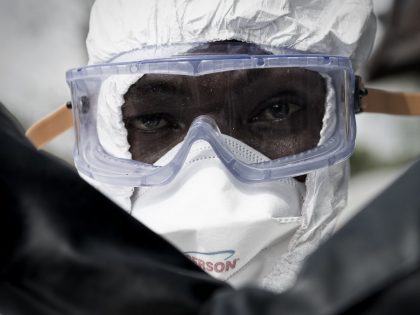
I am afraid of Ebola because it is an enemy of critical and balanced thinking about Africa, about disease, about our common humanity.
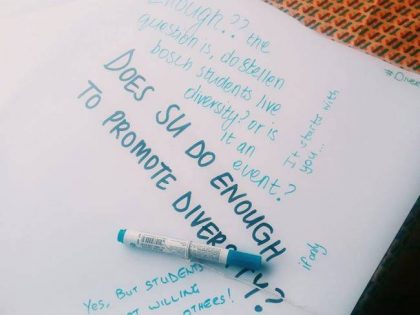
Legacies of colonialism and apartheid are etched into social dynamics of the town in the way its inhabitants occupy public space. The same goes for the university.
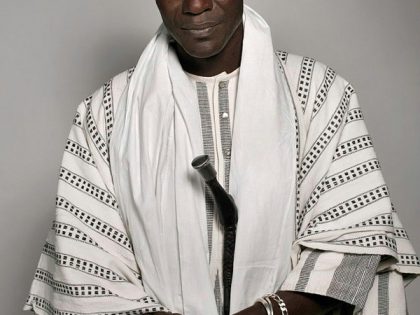
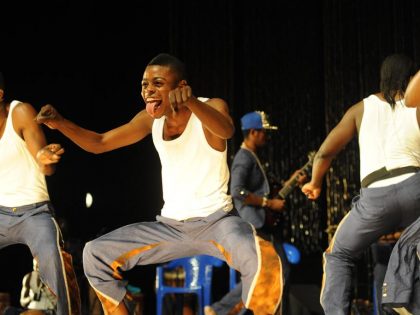
Differences can be harmonious and allow people to come together despite their background and roots.
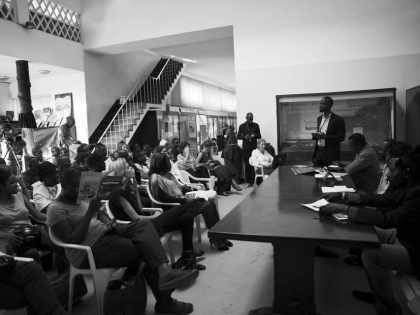
The need to move the art discussion away from Darwinian interests in gorillas to the concern for new audiences for contemporary art in Africa.
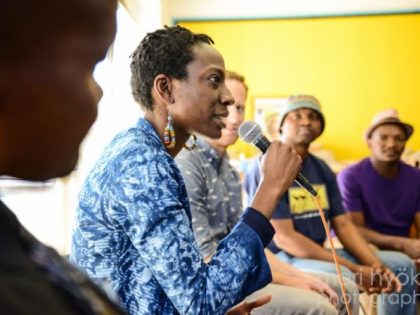
The story of Ba re e ne re, now probably Lesotho's premier literary festival as told by those involved from its start in tragic events.
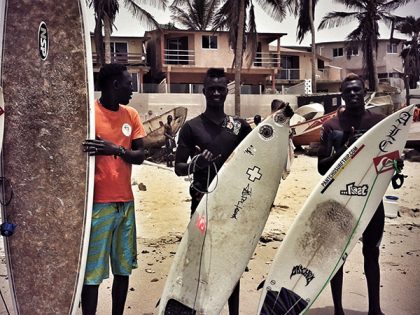
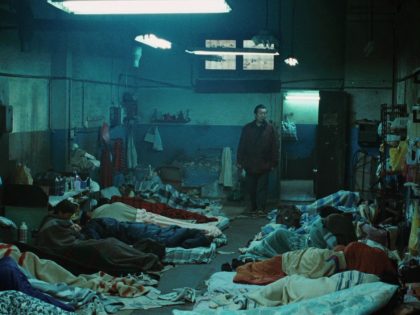
As a filmmaker, Matsetela wants to be an alternative voice, in a topography that’s filled with stories by others, like Django Unchained, defining black people.