Sex and the City meets Americanah
"An African City," the web series about five single women in Accra, Ghana.
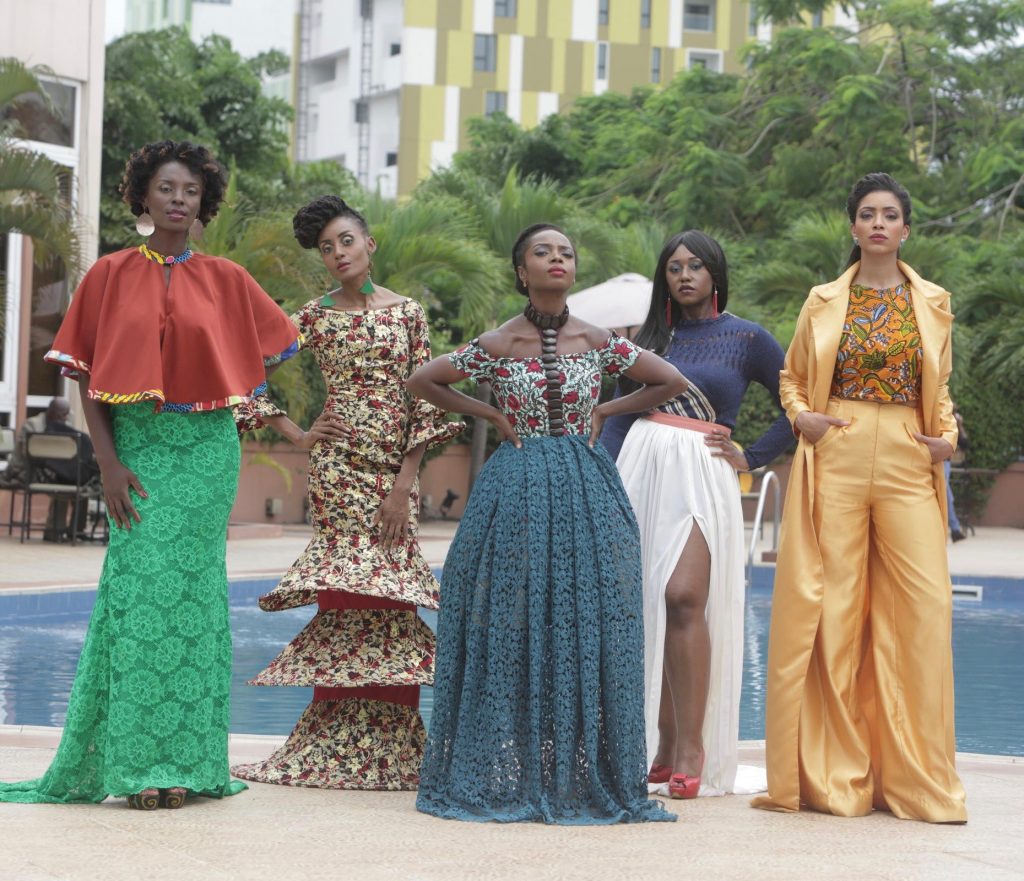
Promo image from “An African City.”
For the last few weeks social media has been abuzz with comments about a new Youtube web series set in Accra called “An African City.” The series tells the story of the “Afropolitan Returnee” and as one viewer aptly put it, it is “Sex and the City meets Americanah where she [the book’s protagonist] goes back to Lagos.” Though not as finely tuned. You can watch the first four episodes here.
The five main characters are all well-off, well-connected or both.
From the chatter online, there appears to be no qualms about the demographic that is being portrayed. And thus far, it is unapologetic in doing so. So much so–as was pointed out to me–that the characters acting as waiting staff are reduced to shots of their backs or headless with an outstretched arm.
Having said that there were some cringeworthy moments in the first episode at comments like “Dad is now the minister of energy, so this is the time to be back” and “ I’m here for work . . . big government contracts.”
No doubt these conversations do happen in certain small circles but I couldn’t tell if these bold declarations were being mocked or glorified.
For years we have seen the rich and beautiful float across our television screens in flashy cars, shiny houses and glossy outfits. Why not Accra or any other African city?
The series represents moneyed Africa and those for whom the idea of spending US$5000 per month on rent for an apartment is feasible, as are dutiful drivers and rich daddies–real or otherwise. Just watch the opening moments of Episode 2.
It may not be the reality for the majority but it’s a reality that is valid. These people exist.
It should be noted too that because of the lack of diversity of the characters one would be forgiven for thinking that all ‘returnees’ are silver-spooned gentry. This is not the case.
I think the show is for lighthearted entertainment purposes, with conversations about careers, sex, loves lost and potentials that are much more relatable.
And some viewers think that the series does well in highlighting relevant issues such as high housing rents, problems clearing goods at the port and the erratic power supply in the city.
Others have written it off, classing it as skewed and over-exaggerated.
“An African City” serves as the alternative to the words and images of a war-torn, famine-ridden, economically-blighted “Dark Continent” that we’ve been assaulted with for decades. It comfortably falls into the high-end ankara/kente print-wearing, culturally-savvy, new middle-class ‘Africa Rising’ rhetoric.
So now we’ve had a fair share of the two narratives perhaps other African filmmakers, writers and speakers can pick up the baton and give the world balanced views of what it’s like to live in their African cities.