Between Bambali and Nagrig
The rivalry between Sadio Mané and Mohamed Salah pushed them to unprecedented heights, but also links two seemingly distant and disconnected villages.
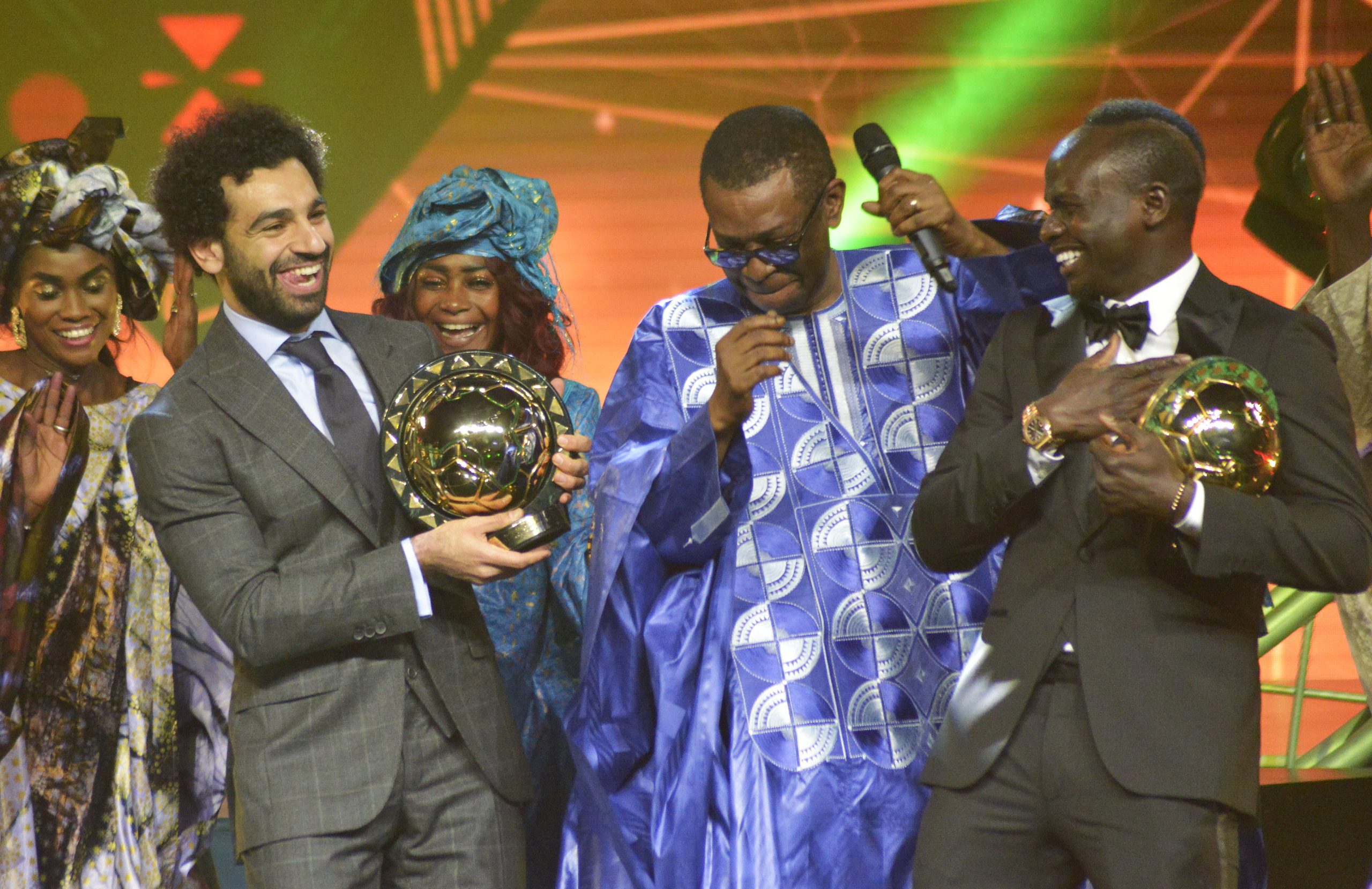
Mohamed Salah receives the Player of the Year award with runner-up Sadio Mane, from Youssou Ndour during the CAF awards in Dakar, 2019. EPA/STR via Shutterstock.
The best thing about the Africa Cup of Nations is its ability to shrink our vast continent. It spins connections between places assumed to be distant and disconnected, only to reveal how deeply Africans are bound by shared dreams and struggles.
The semi-final of the 2025 Africa Cup of Nations between Senegal and Egypt does precisely that, drawing an unlikely line from Bambali, Senegal, to Nagrig, Egypt. Until recently, both villages were unknown even to most Senegalese and Egyptians, let alone the wider footballing world. It was only with the rise of their most famous sons, Sadio Mané and Mohamed Salah, into global stardom that their names began to circulate beyond borders.
Bambali and Nagrig could almost be twin villages. Bambali sits quietly in Senegal’s lower Casamance, near the border with Guinea-Bissau. Nagrig lies forgotten in the Nile Delta, suspended between Cairo and Alexandria. In Bambali, they grow rice and mangoes; in Nagrig, jasmine and onions.
In parallel, Mané and Salah share so many similarities that they feel like kindred spirits. Both were born in 1992 into modest families in remote agricultural communities. Both were forced to leave home early to pursue the improbable dream of becoming professional footballers. As adolescents, Mané slipped away unannounced to Dakar for trials, while Salah endured four-hour bus journeys each way to Cairo, day after day, just for a chance. Perhaps it is because they share so much that the two grew into such fierce rivals.
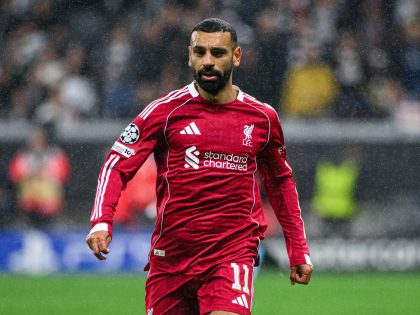
Make no mistake: the respect between Mané and Salah is genuine. Their relationship remains cordial. But at Liverpool Football Club, their competitive instincts often collided. Mané arrived first and, in his debut season, claimed the right flank as his own, quickly becoming a fan favourite. A year later The Egyptian King arrived and his immediate impact was so overwhelming that Mané was shifted to the left – a position he would eventually master just as convincingly.
Over the next five years, the pair combined to produce some of the finest attacking football of the modern era. Yet there were moments when ego and frustration took hold, when passes went unmade and tempers flared. One such moment against Burnley in 2019 became infamous. Salah ignored a wide-open Mané who would have scored with ease. Minutes later, Jürgen Klopp substituted Mané. Furious, Mané erupted at the decision, at the selfishness, at the moment.
But what truly fractured Mané’s relationship with Liverpool came later. After Senegal’s historic Africa Cup of Nations triumph in early 2022—the first in the nation’s history—Mané returned a demigod at home. He had scored the winning penalty in the final. Salah never even got the chance to take one.
Mané 1–0 Salah.
While Senegalese players at other clubs were granted time off and welcomed back with guards of honor, Liverpool chose restraint, wary of upsetting Salah, whose Egypt had lost the final.
Months later, the two met again in a 2022 World Cup qualifier, once more decided by penalties. In a deafening Diamniadio stadium, green laser pointers dancing across his face, Salah stepped up. He missed. Mané scored.
Mané 2–0 Salah.
It is therefore inevitable that the semi-final of the 2025 Africa Cup of Nations in Tangier will be reduced to a single journalistic narrative: Mohamed Salah vs Sadio Mané. The framing is obvious, but that does not mean it should be avoided. Mané vs Salah may well be the greatest rivalry between two African footballers since Drogba vs Eto’o, though this one carries a sharper edge.
Salah has more to gain. He is still chasing his first AFCON title, a prize already claimed by peers such as Mané and Riyad Mahrez. Mané, meanwhile, has the chance to tilt the balance decisively in his favor.
On Wednesday afternoon, I will watch Egypt vs Senegal with a close eye on the performances of the former teammates. The storytelling potential of the fixture is spellbinding. Yet beyond the headlines, narratives, and tension on the pitch, what remains in front of mind is that the true winners of Mané vs Salah are two African villages that might otherwise have been forgotten.
As European football continues to extract African talent, economic benefits at the grassroots level rarely come through transfer fees. Génération Foot, Mané’s boyhood academy, earned only a few hundred thousand dollars from transfer deals that ultimately totaled nearly $100 million. Arab Contractors, Salah’s former club, earned even less for the greatest footballer Egypt has ever produced. In the absence of fair compensation systems, the real financial windfall has come from personal generosity.
In June 2021, Mané oversaw the construction of a medical center in Bambali, serving 34 surrounding communes, at an estimated cost of $610,000. His motivation was deeply personal.
“The day my father died, I was seven years old,” Mané recounts in the Made in Senegal documentary. “He had a stomachache, but there was no hospital. We tried traditional medicine. They took him to another village and he died there.”
Surrounded by local officials, Mané cut the ribbon at the hospital entrance. A bolted plaque reads: “The Bambali Hospital was funded and inaugurated by Mr. Sadio Mané, Senegalese international footballer—Bambali, June 20, 2021.”
Salah has followed a similar path in Nagrig, investing in medical infrastructure, donating an ambulance centre and funding a sports complex. In 2022, The Times reported that Salah gives up to 6% of his salary to charitable causes every month.
It should not be incumbent upon footballers to provide healthcare, sanitation, and education for their own villages. Yet across much of Africa, this remains the reality. Poor governance creates gaps that are too often filled by celebrity benefactors. And frequently, the first to arrive and celebrate these acts are the very politicians who presided over the neglect.
In that sense, the rivalry between Mané and Salah is about far more than goals, medals, or legacy. It is about how two journeys, from Bambali and Nagrig, to the continental stage, continue to reshape the lives of those at home.