The Politics of the Belly
The bottom line of politics in electoral democracies in 21st century capitalism: Whatever patronage politicians dispense, there’s no free lunch.
47 Article(s) by:
Marissa Moorman is on the Editorial Board of Africa is a Country. She is a Professor of African Cultural Studies at the University of Wisconsin at Madison.
The bottom line of politics in electoral democracies in 21st century capitalism: Whatever patronage politicians dispense, there’s no free lunch.
Angolans protest as the state threatens to tear down an historic building.

António Oliveira Salazar founded Portugal’s New State dictatorship in 1933. Some Portuguese still remember him fondly.
"At the end of capitalism, which is eager to outlive its day, there is Hitler. At the end of formal humanism and philosophic renunciation, there is Hitler."
Jean-Marie Teno's film, 'Une Feuille dans le Vent' (A Leaf in the Wind), lays bare the affective costs of public silence in Cameroon.
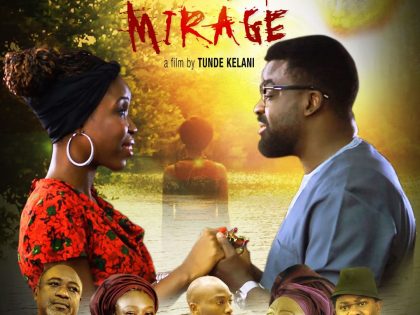
An Interview with Nigerian Filmmaker Tunde Kelani.
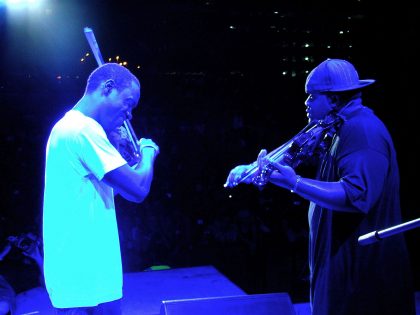
Kevin Sylvester and Wilner Baptiste are the classically trained violin and viola playing duo that anchor Black Violin.
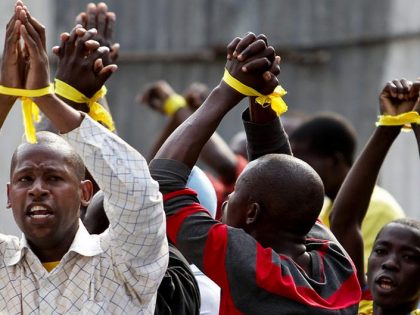
Angola spends millions of dollars to host the World Championships in roller hockey (yes). Anyone who think it is a waste of money gets beaten up.
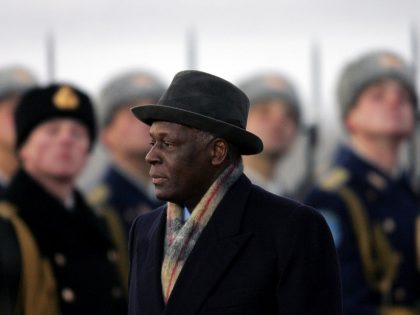
Why the ruling MPLA wants to control how we remember the murder of dissidents killed right after independence.
We ought to ask questions about Angola’s Sovereign Wealth Fund. But also about the history of Chevron, Exxon, and Conoco in the country.
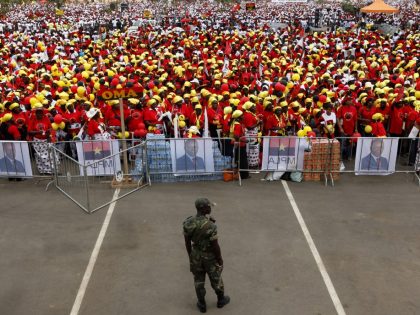
Beware the bling of banner headlines announcing free speech victories.
MediaStorm went to Angola to make a short film about de-mining. Their techniques gave us pause.
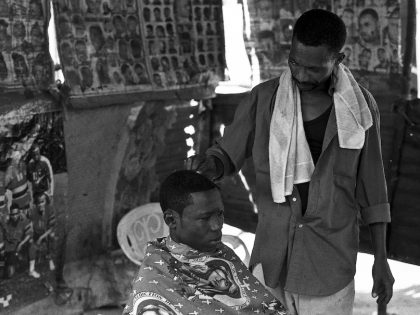
In post-socialist, growth-oriented Angola, the rich are getting richer and the poor have only their faith.
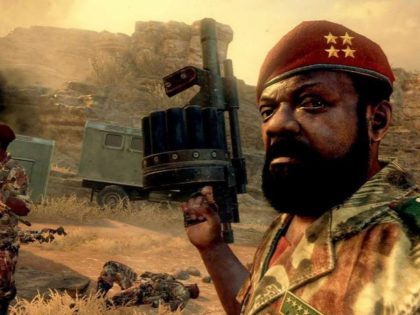
No surprise that the dead Angolan rebel leader, Jonas Savimbi, is a video game character; in life he was a media mastermind.
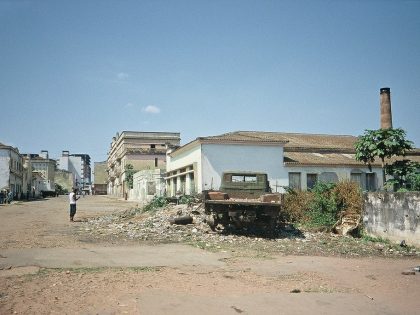
The oppression/resistance model of politics explains some things, but it does not explain everything, and less and less these days on the continent.
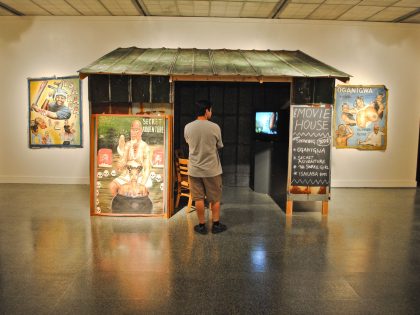
The posters are tied to the Ghanaian and Nollywood film industries that emerged in the late 1980s.
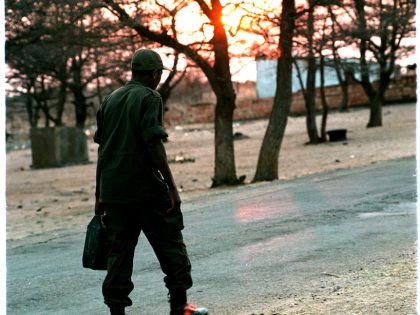
The Angolan singer's new album deals with war in the widest sense: war with the self, war with family, neighbors, friends.

When the Financial Times commits an entire article to topics Angolan, it fills my Google news alert for a week.
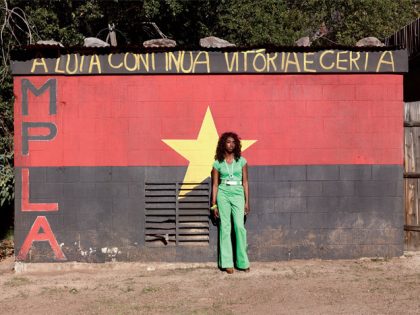
Putting postcolonial Angola and postindustrial New York in visual touch.
How a music genre is selling Angola's oil boom.