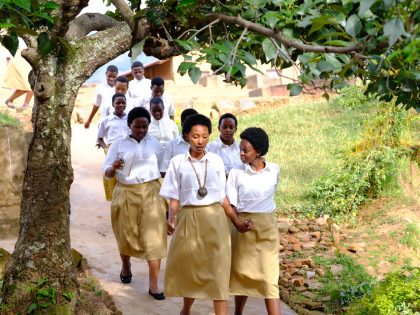
Decolonizing the Lens
Because of the 1994 genocide, Rwanda occupies a complicated place in the world’s imagination. A new film, about the preceding 1973 pogrom, wants to demystify that view. Does it succeed?
Because of the 1994 genocide, Rwanda occupies a complicated place in the world’s imagination. A new film, about the preceding 1973 pogrom, wants to demystify that view. Does it succeed?
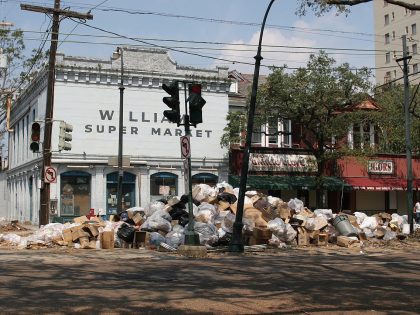
Reflections from New Orleans, Louisiana — the US's most African city — on the economic fallout from the coronavirus pandemic.
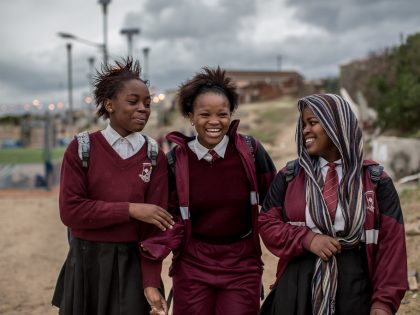
How young, African feminist scholars are using their life experiences as sources and resources for theorizing their feminism.
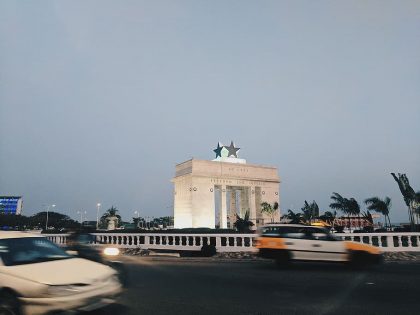
Demolishing homes of poor residents in Accra while under lockdown, tells us all we need to know about the Ghanaian state's treatment of working class people.
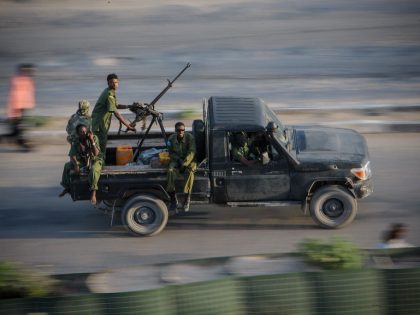
The United States’ military operations in Somalia are not well known because they'e carried out secretly or via proxies. COVID-19 hasn't slowed them down.
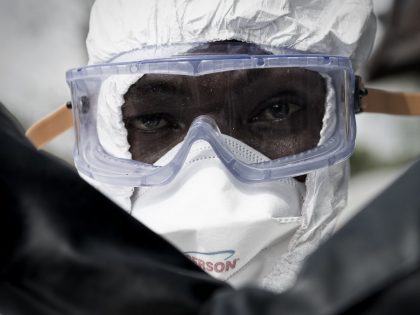
African health workers ask for decent work and a strong, public health care system — not applause.
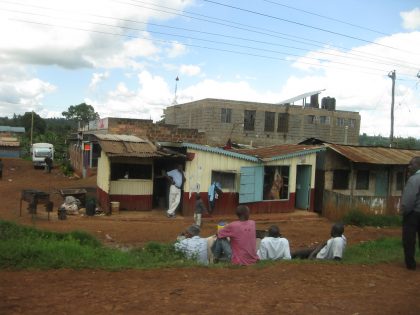
COVID-19 spreads from Europe to Africa, inverting colonial imaginaries of African disease and challenging inherited hierarchies.
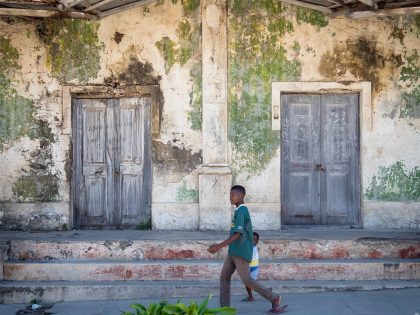
The climate crisis, resource extraction, and the insurgency by a group claiming affiliation to ISIL in Mozambique’s Cabo Delgado province.
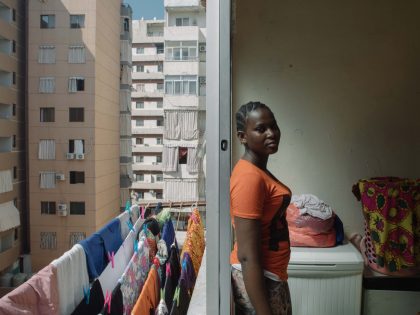
Surviving the COVID-19 crisis as a jobless Sierra Leonean domestic worker in Lebanon. They are stuck together after losing their jobs or fleeing abusive employers.
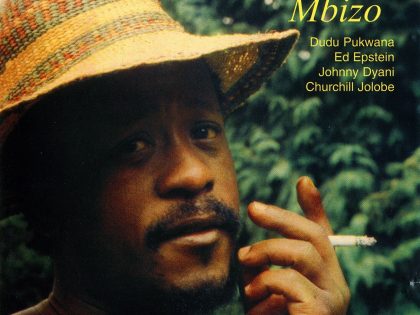
From exile, bassist and composer, Johnny Mbizo Dyani (1945-1986), explored and promoted the folk music traditions of South Africa.
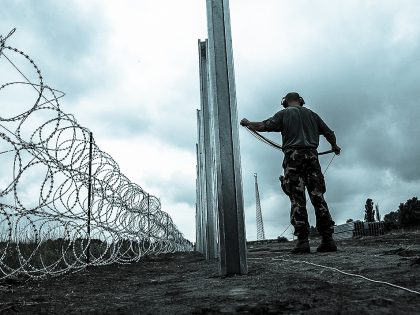
The unprecedented distress of momentarily locked-down lives should prompt Europeans to realize how much their leadership curtails freedom of movement on a permanent basis on the African continent.
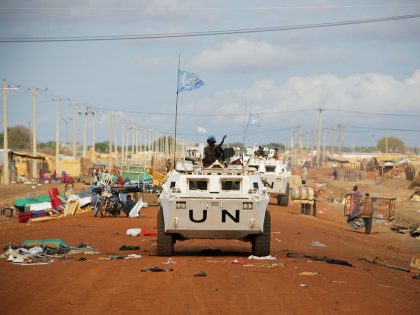
Efforts to introduce 'peacebuilding' as panacea to current trends in US military spending do little to shift the imperialist status quo.