Blog
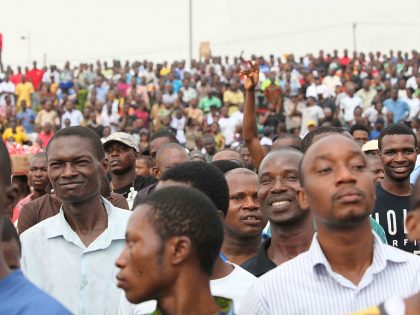
Nigeria’s National Anthem
Did Goodluck Jonathan allegedly take US $1m from an anti-poverty fund to allegedly bring Beyonce and Jay-Z to Nigeria in 2006?
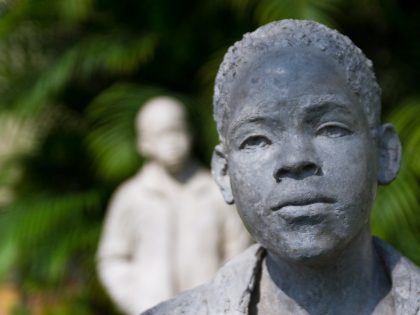
Blackface is Okay on Peruvian TV
The shows play on the worst stereotypes associated with Afro-Peruvians and uncritically exhibits these for the whole Peruvian nation to watch.
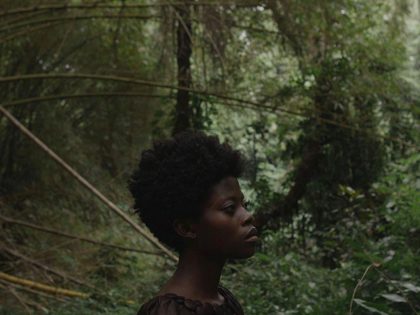
Ghanaian Spiderman and Other Stories
No.17 in our regular update on new African films to watch.
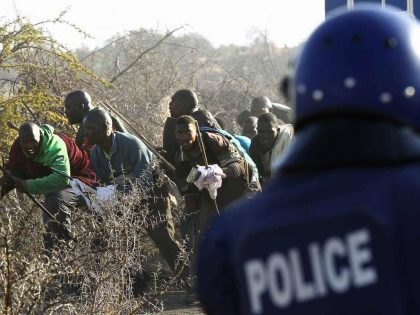
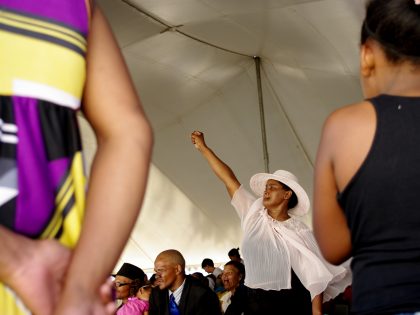
The Book of Marikana
Rewriting history from below in South Africa by utilizing the voices of workers and their survivors themselves.
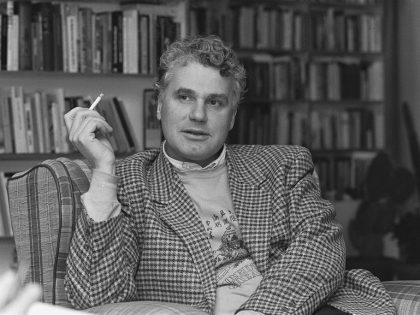
There’s “too much Africa in South Africa”
That what a Dutch writer Adriaan Van Dis told an Italian newspaper when asked about what South Africa is like now.
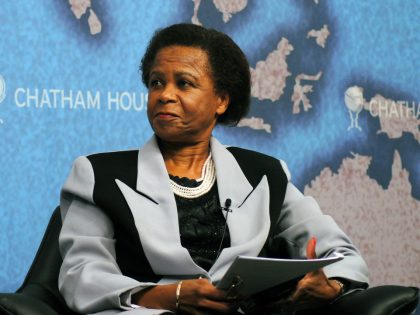
Mamphela Ramphele has a Party
Ramphele has never enjoyed widespread grassroots support as a political figure in South Africa and hasn't been in active in any political movement for at least 30 years now.