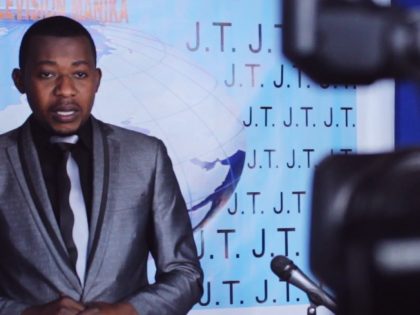
No Victims and No Culprits
Congo needs fewer metanarratives from the West and more of Radio Tele Manika.
Congo needs fewer metanarratives from the West and more of Radio Tele Manika.
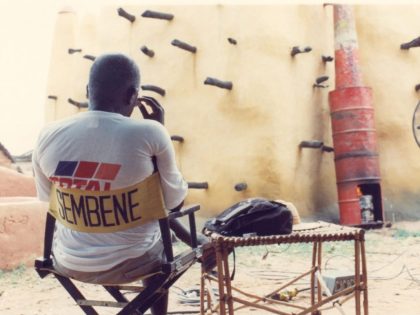
An interview with Samba Gadjigo, the late Ousmane Sembene’s longtime friend and official biographer about the resurgence of Sembene’s work.

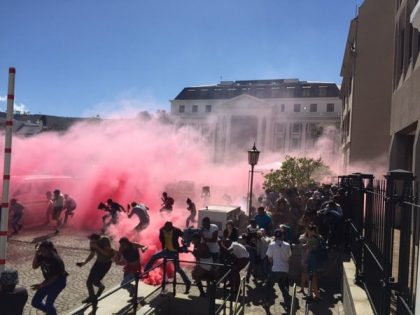
We are in a new phase, one that is characterised by a rejection of compromise as a tactic for managing democratic intercourse.

Most poor African immigrants to the US can't pull the “get out of black”-card when confronted with racism, something middle class Africans can pull.
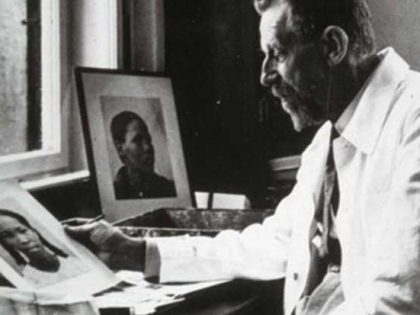
Few works sufficiently recognize the truly transnational character of the eugenics movement, and how colonial Africa served as the launching pad for it.

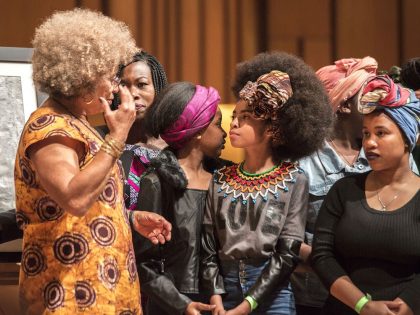
The policing of black hair often begins at a very young age, in the most subtle and intimate spaces, long before you get to school.
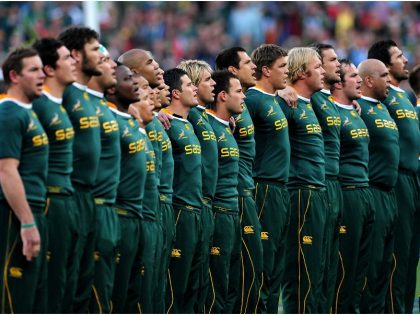
Next time 'Die Stem' part of the South African anthem plays, the appropriate reaction is to sit down or take a knee.
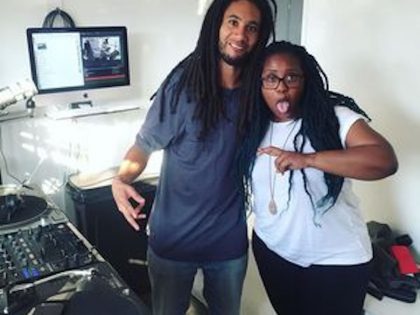
Journalism on and about the continent tends to veer between the extremes of neglect or stereotype on the one end, and touristic exoticism on the other.

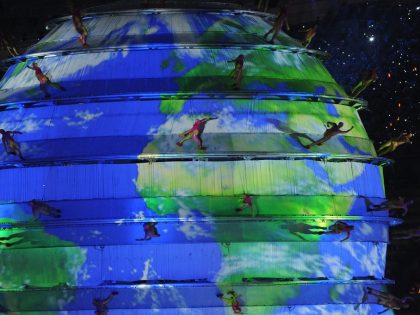
The highlights of the 2016 Rio Olympics, including why Kenyan athletes were not wearing matching outfits at the opening ceremony.
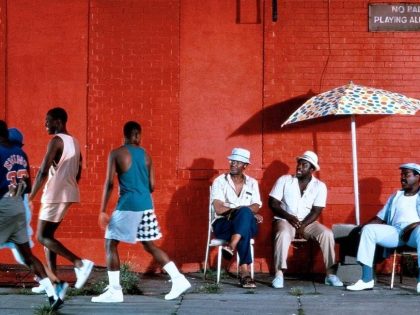
It is eerie (and tragic) how relevant the themes of racial tension and structural violence of Spike Lee's 'Do the right thing' still is — both in America and South Africa.
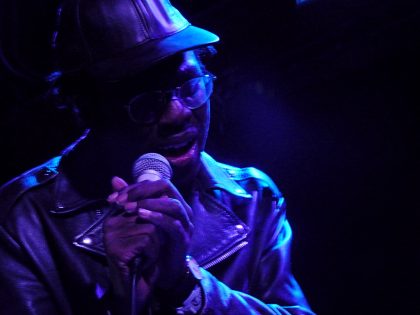
Blood Orange and Sampha are two London-raised artists with Sierra Leonean roots, currently making waves on both sides of the Atlantic.

Events at South Africa's oldest agricultural college become an object lesson in how mastery over language upholds mastery over land.
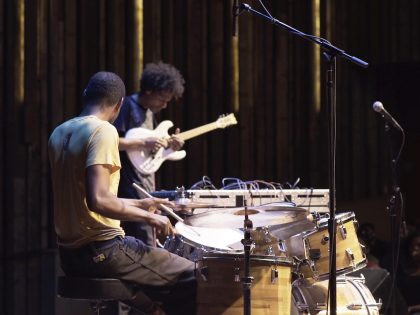
Collapsing the binaries hard-wired into the logic and narrative of “uber-gentrification;” the latter representing the conquest of science over art, technology over soul and innovation over old.

This planetary turn of the African predicament will constitute the main cultural and philosophical event of the 21st century, argues Achille Mbembe.

The ultimate goal of Michele Siblioni's work is to achieve the satisfaction of the white male ego, via the camera lens and exotic depictions of black women.