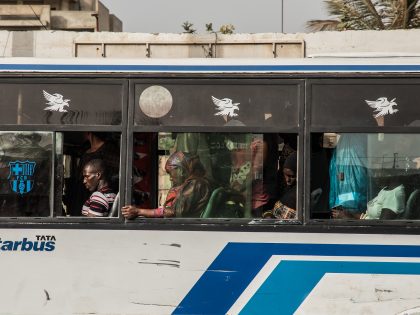
The people’s coup
Incoming Senegalese president Bassirou Diomaye Faye is as much outgoing President Macky Sall’s creation as he is Ousmane Sonko’s.
Incoming Senegalese president Bassirou Diomaye Faye is as much outgoing President Macky Sall’s creation as he is Ousmane Sonko’s.
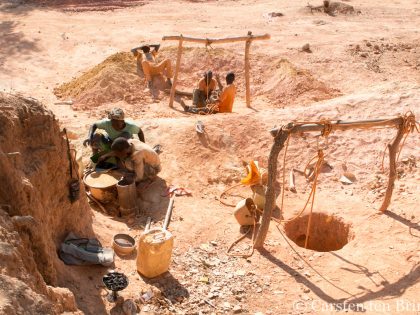
If the savannas of West Africa are a new corporate mining frontier in the 21st century, it's because it is also home to the world’s longest-standing indigenous gold mining economy.
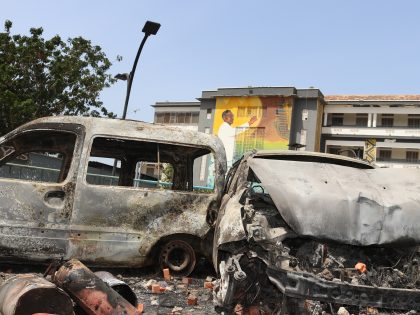
Fermée depuis juin 2023, l’université de Dakar est devenue le symbole de l’effondrement de la démocratie sénégalaise.
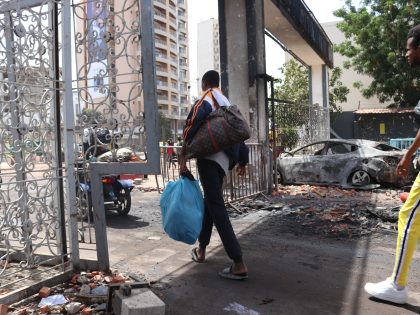
Closed since June 2023, the University of Dakar has become a symbol of the collapse of Senegalese democracy.
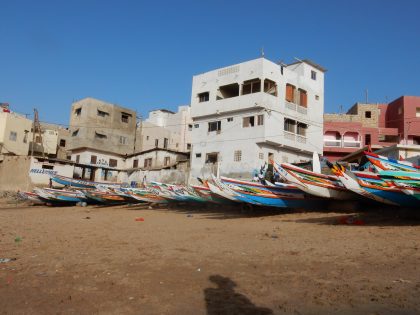
What contestations over land in urban Senegal tell us about political economy in the post-colony.
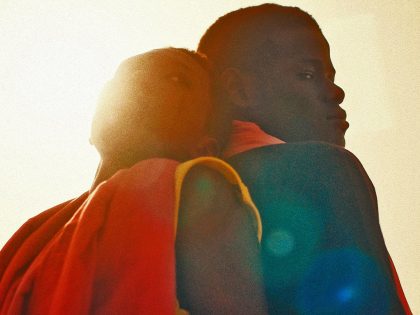
Ramata-Toulaye Sy’s directorial debut is not only a love story about two star-crossed individuals, but about the whimsical landscapes of the place where they fall in love.
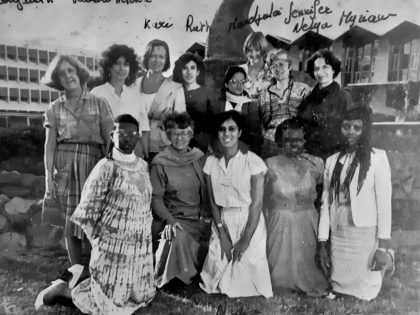
In the 1970s, young left-wing activists fought clandestinely for Senegal’s democratization under Senghor’s brutal regime.
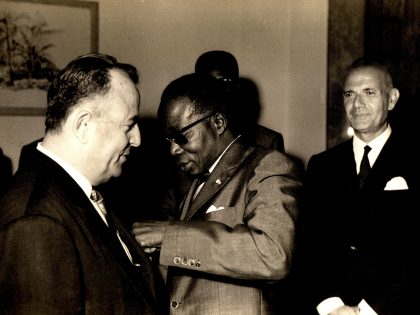
Ahead of the publication of his new book on Leopold Senghor and African political theology, the author selects books that inspired his writing process
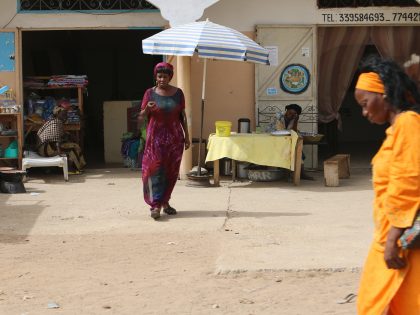
In Senegal, women's bodies are weaponized as political objects in electoral battles.
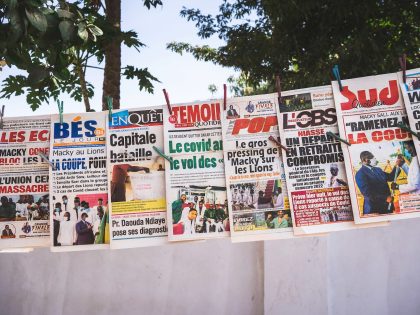
Although Senegal’s protests are riven with contradictions, they testify to its people’s willingness to defend their democratic rights and freedoms.
What peanut trading in late 19th century Senegal tells us about the fine line between slavery and freedom.
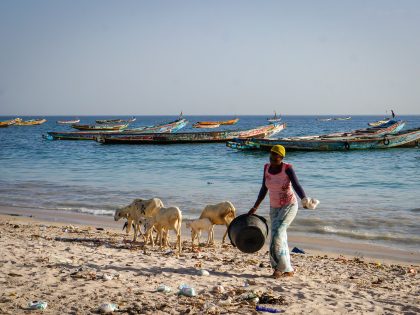
The fiction of Senegalese writer and filmmaker Khady Sylla not only used speech to create worlds and ways of being in the world, but used speech as a world and a character in its own right.
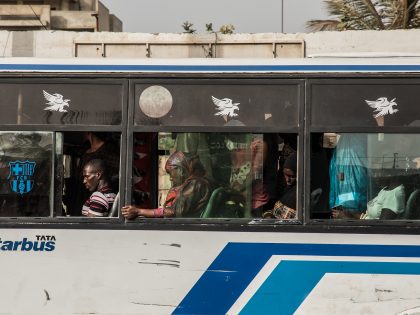
If a better world is possible, let us meditate on its constituent parts — the institutions, communities, and relationships, argues Felwine Sarr.
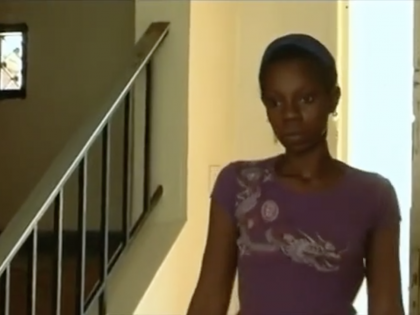
Filmmaker Khady Sylla amplifies the voices of and gives visibility to the domestic workers tending to the homes of Africa’s middle classes.
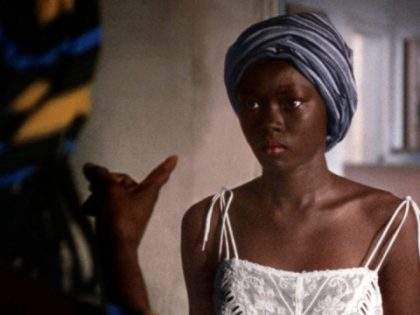
The Senegalese director, Safi Faye’s classic 1996 film, Mossane, is a love tragedy and a spiritual quest in Sereer land.
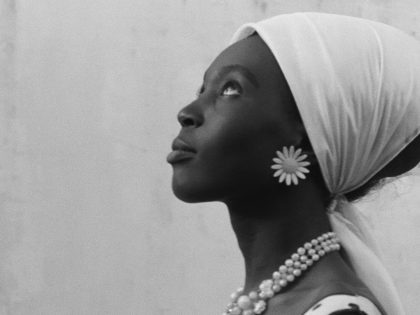
In ‘Black Girl’ (1966) and ‘Cuties’ (2020), M'Bissine T. Diop is a cautionary figure who warns of colonialism's wounds and afterlives for Black girl belonging in the present day.
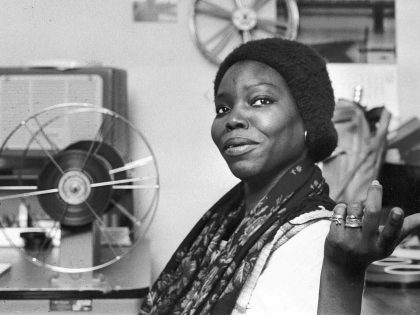
Safi Faye's 1976 film, 'A Farmer's Love Letter,' exposes the gap between the post-colonial state and the concerns of ordinary people.
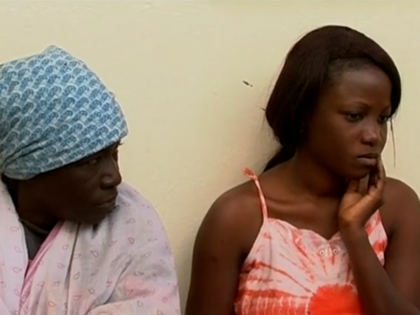
The last film of underappreciated Senegalese director, Khady Sylla dealt with mental health. It is worth revisiting it now for its groundbreaking portrayal of depression suffered by two women friends.
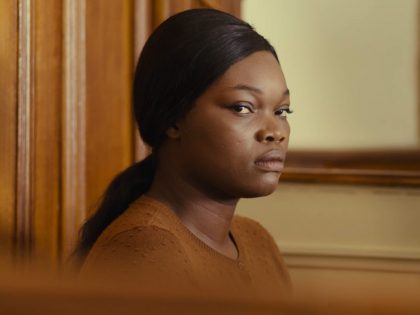
Director Alice Diop’s 'Saint Omer' is preoccupied with what binds women together, the traumas that are inherited, shared and possibly overcome.
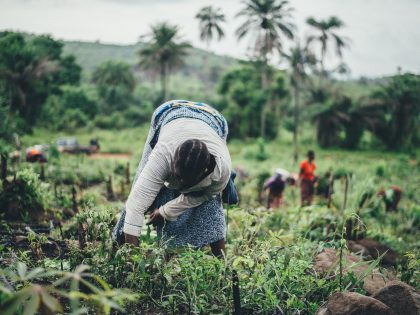
In order to better resist contemporary, neocolonial accumulation, we need to historicize land grabs in Africa.