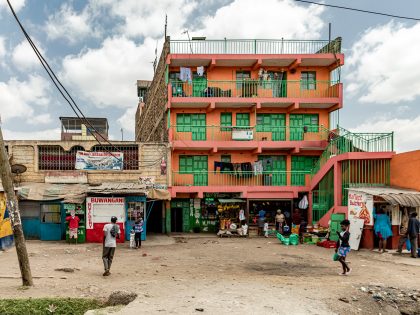
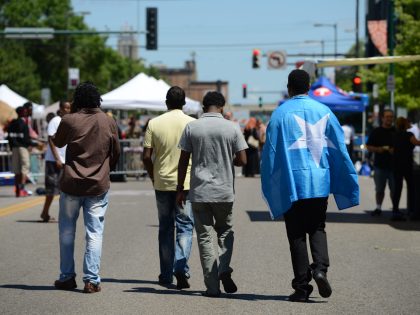
Riveting piece of journalism in this weekend’s New York Times Magazine as well as an accompanying video piece (narrated by correspondent Barry Bearak) on the ordinary murder of a Zimbabwean migrant and widespread mob “justice” in Diepsloot, a squatter camp to the north of Johannesburg. The piece is generally good.  As one friend remarked: “To his credit, Bearak’s clearly made an effort at getting to know Diepsloot and writing a good story. While it has a whiff of Rian Malan‘s ‘Hammerman’ tale towards the end, with the white man’s discovery of and fascination with muti, etcetera, it is generally good, and didn’t stray into laziness.” So go ahead and it.
Further Reading

Slow death by food

Illegal gold mining is poisoning Ghana’s soil and rivers, seeping into its crops and seafood, and turning the national food system into a long-term public health crisis.

A sick health system

The suspension of three doctors following the death of Chimamanda Ngozi Adichie’s son has renewed scrutiny of a health-care system plagued by impunity, underfunding, and a mass exodus of medical professionals.

Afrobeats after Fela

Wizkid’s dispute with Seun Kuti and the release of his latest EP with Asake highlight the widening gap between Afrobeats’ commercial triumph and Fela Kuti’s political inheritance

Progress is exhausting

Pedro Pinho’s latest film follows a Portuguese engineer in Guinea-Bissau, exposing how empire survives through bureaucracy, intimacy, and the language of “development.”

The rubble of empire

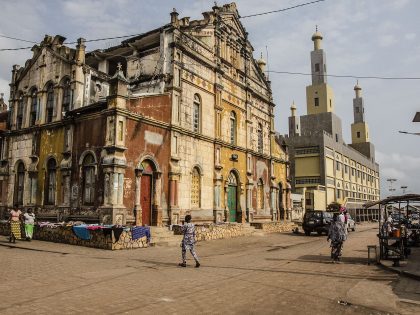
Built by Italian Fascists in 1928, Mogadishu Cathedral was meant to symbolize “peaceful conquest.” Today its ruins force Somalis to confront the uneasy afterlife of colonial power and religious authority.