The Best African Movie

The Congolese film, Viva Riva, is no high-minded, French-funded "cinema" — it’s a gritty gangster film.
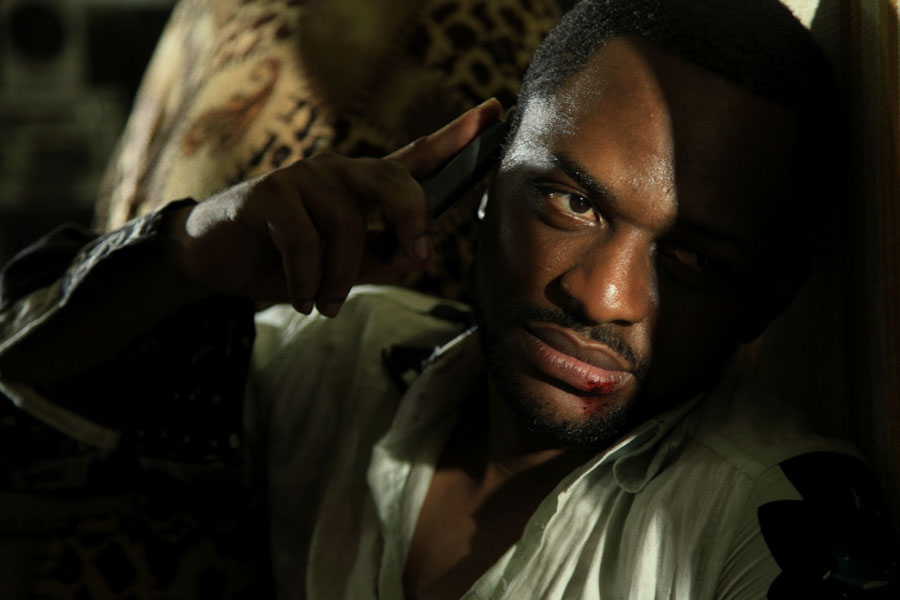
Patsha Bay in the title role in 'Viva Riva!'

The Congolese film “Viva Riva” won the “Best African Movie” award at the MTV Movie Awards. This recognition is invaluable for African cinema, offering publicity that money can’t buy and providing a significant boost when the film opens this weekend in New York City, Los Angeles, and Portland (OR). (It’s worth noting that foreign films make up just 2% of US cinema screens, and African films account for a small percentage of that.)

Set in Kinshasa, Viva Riva follows Riva, a small-time hustler who returns to his hometown of Kinshasa, Congo, after a decade away, bringing with him a major score: a fortune in stolen gasoline. Riva finds himself pursued by an Angolan crime lord (whose gasoline he stole), and matters are complicated further when he falls for the girlfriend of a local gangster.
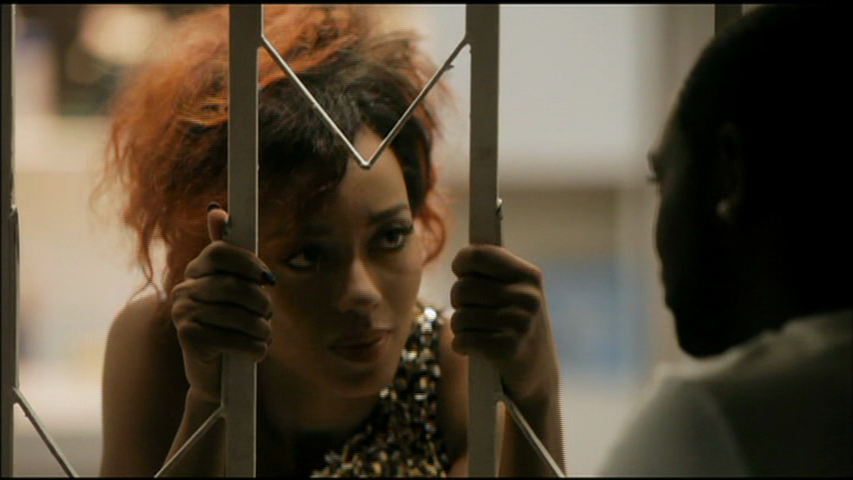
Manie Malone as Norma in director Djo Tunda wa Munga’s “Viva Riva!”

This is no high-minded, French-funded “cinema” — it’s a gritty gangster film.

The film’s PR describes Kinshasa as a “seductively vibrant, lawless, fuel-starved sprawl of shantytowns, gated villas, bordellos, and nightclubs,” with Riva as its perfect embodiment. The advance publicity also emphasizes the explicit nudity and violence that feature prominently in Viva Riva.

The other finalists for the award were “A Screaming Man” (Chad), “Life, Above All” (South Africa) and “Restless City” (Nigeria).

Further Reading

A sick health system

The suspension of three doctors following the death of Chimamanda Ngozi Adichie’s son has renewed scrutiny of a health-care system plagued by impunity, underfunding, and a mass exodus of medical professionals.

Afrobeats after Fela

Wizkid’s dispute with Seun Kuti and the release of his latest EP with Asake highlight the widening gap between Afrobeats’ commercial triumph and Fela Kuti’s political inheritance

Progress is exhausting

Pedro Pinho’s latest film follows a Portuguese engineer in Guinea-Bissau, exposing how empire survives through bureaucracy, intimacy, and the language of “development.”

The rubble of empire

Built by Italian Fascists in 1928, Mogadishu Cathedral was meant to symbolize “peaceful conquest.” Today its ruins force Somalis to confront the uneasy afterlife of colonial power and religious authority.

Atayese

Honored in Yorubaland as “one who repairs the world,” Jesse Jackson’s life bridged civil rights, pan-Africanism, empire, and contradiction—leaving behind a legacy as expansive as it was imperfect.

Bread or Messi?

Angola’s golden jubilee culminated in a multimillion-dollar match against Argentina. The price tag—and the secrecy around it—divided a nation already grappling with inequality.

Visiting Ngara

A redevelopment project in Nairobi’s Ngara district promises revival—but raises deeper questions about capital, memory, and who has the right to shape the city.