Lesotho’s Independence Day
Even though music in Lesotho is dominated by its South African neighbors, there are local genres and artists which have managed to fare well commercially.

Sankomota in the early 1980s. Photo: Bandcamp.
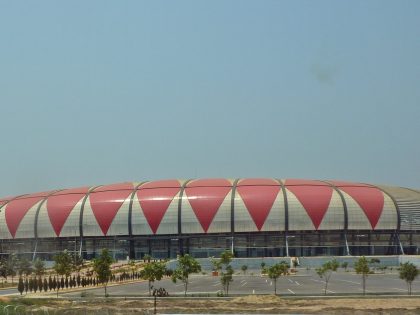
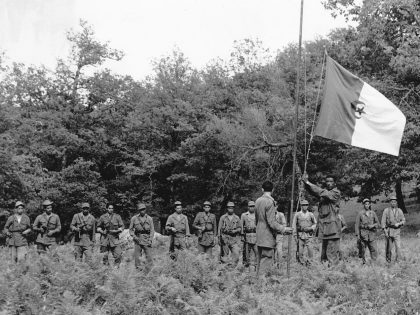
When I was growing up, Independence Day was quite a big deal in and around Maseru, Lesotho. Besides it being a public holiday, it carried with it the promise of festivities which usually occurred at our national stadium. A lot has changed since then, and some would claim for the worse. But instead of writing about another factory workers’ strike, yet another double-digit salary hike for ministers, or a former convict being appointed to public office, I would rather focus on other things — like music for instance. Music is central to our existence as Basotho, and even though we too are victims of the usual cacophony of western sounds dominating our airwaves (with a dip of Kwaito and house, courtesy of our South African neighbours), there are genres which have managed to fare well commercially. Below is a collection of videos sourced from youtube. Some of them are quite dated — our artists seem not to hold Internet presence in high regard at all.
Sankomota’s ‘Stop the war’. Arguably still the best musical export from Lesotho by far, even though most of the members are no more. Honorary mentions: Fatere, Budhaza and Qiloane.
After a long time bubbling in Lesotho’s underground hip-hop scene, Dunamis managed to rise above and get some acclaim with the release of this video for ‘Mastered Seed‘ which received wide rotation on Channel O and SABC1. Honorary mentions: Papa Zee, Kommanda Obbs, Stlofa and Skebza.
Manka le Phallang are but one in a myriad of famo musicians. Along with the likes of Puseletso Seema, Tau ea Mats’ekha, and Apollo Ntabanyane, they were among the first to popularise the genre. This is their ‘Ea nyoloha khanyapa‘. Honorary mentions: Famole (RIP), Mahlanya and Chakela.
And to round up: Lefate. They’ve split, but not before releasing this video from their album Ha le lapa lea solla. They refer(ed) to their music as ‘Mokorotlo’, an ode to the Basotho hat which resembles the hill of Qiloane. I can especially recommend ‘Life’s like a lie.’ Honorary mentions: Manyofi and Mthibo.