10 African films to watch out for, N°12
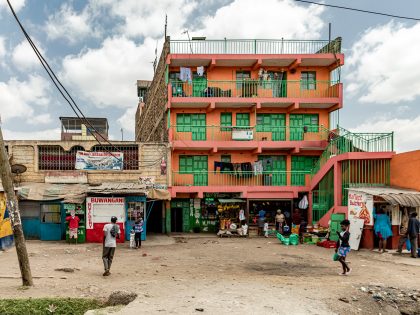
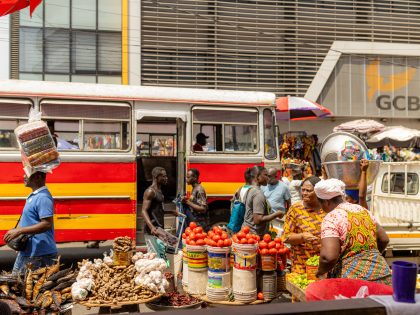
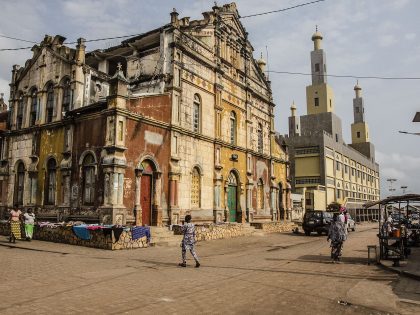
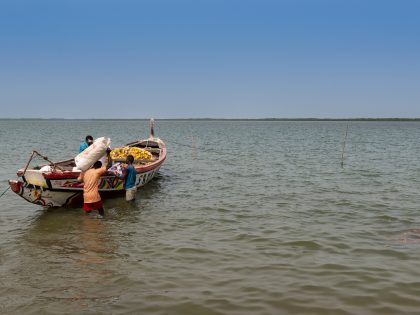
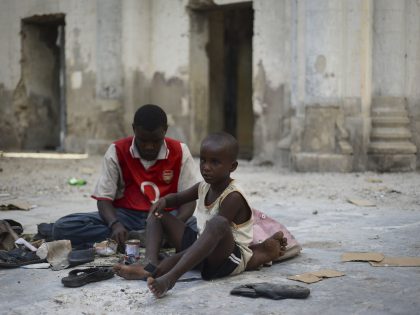
Here’s another list of 10 films in the making or already finished. Two long fiction features to start with. Dakar Trottoirs (directed by Hubert Laba Ndao; left) has “surrealist characters of a paradoxical theatre intermingling in the heart of the city.” Sounds real. There’s a write-up on the shooting of the film and a short interview with the director over at the curiously titled Africa is not a country blog (part of Spanish newspaper El País’s network). No trailer yet but check the film’s Facebook page for production stills, and you’ll find a short making-of reel here.
Next up, Andalousie, Mon Amour (“Andalusia, my love”) is Moroccan actor Mohamed Nadif’s directing debut, promoted as a comedy about migration. This one does have a trailer:
Three short films:
Nada Fazi (“It’s inevitable”) by João Miller Guerra and Filipa Reis is set in and engaging with the Casal of Boba neighbourhood (Lisbon, Portugal) where the majority of inhabitants is of Cape Verdian origin:
Another Namibian short (see last week’s list for more Namibian references) is 100 Bucks, directed by Oshosheni Hiveluah. You have to admire the Babylonic summing up of featured languages: English / Afrikaans / Otjiherero / Nama-Damara / Slang — with English subtitles:
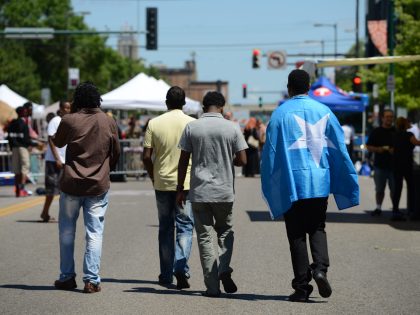
Coming of age fable Asad, directed by Bryan Buckley, was shot in South Africa (as a stand-in for Somalia), with a cast of Somali refugees. The film’s been raking in awards since it started circulating at international film festivals. Below’s the trailer, while we wait for new films on or from Somalia that are not about pirates:
http://www.youtube.com/watch?v=r7kqVqhnUbs
And 5 documentaries. One that showed at Bristol’s Afrika Eye Film Festival earlier this month: State of Mind, directed by Djo Tunda wa Munga (the trailer comes with a dramatic introduction and ominous muzak, but I don’t know of many other films engaging with anthropological, psychological — or whatever you’d like to name it — discussions about the potential effectiveness of applying old-school western psychotherapy in African contexts):
There’s also !Xun Electronica by filmmaker Paul Ziswe. Synopsis: “[multi-instrumentalist, jazz musician and producer] Pops Mohamed travels to the [South African] Northern Cape to the San community of Platfontein where he sets up a recording studio — and through the lyrics of the youth performed in !Xun and Khwe, as well as through the songs of the elders, a portrait emerges of this unique place”:
Outros Rituais Mais ou Menos is a film by Jorge António about a contemporary dance company from Luanda, Angola. Check Buala for a photo series by Kostadin Luchansky on the company’s latest production. Trailer:
Toindepi — Where are we headed? (Reflections from a Discarded Generation) focuses on life in Zimbabwe as seen through the eyes of More Blessing who lives in Hatcliffe Extension, a slum neigbourhood North of Harare, part of a city where residents have been victims of forced evictions campaigns. Here are some rushes:
And Shattered Pieces of Peace: South African director Dlamini Nonhlanhla’s first feature length documentary (prod. Sakhile Dlamini) tells the story of a mother whose relationship with her daughter crumbles following her public declaration of her homosexuality and HIV+ status:
[vimeo=http://vimeo.com/41291127 w=640&h-480]