Culture

Have a Nice Trip
How does it feel to be an African asylum seeker in Europe.

Big Weekend for Jason Russell
There is nothing heroic about running a cushy, big-spending non-profit like Invisible Children that works hand-in-glove with the CIA and the US military.

There are no laws against photography
The latest in a series of interviews by Roxsanne Dyssel. This time, with Egyptian photographer and blogger, Mohamed Elshahed.
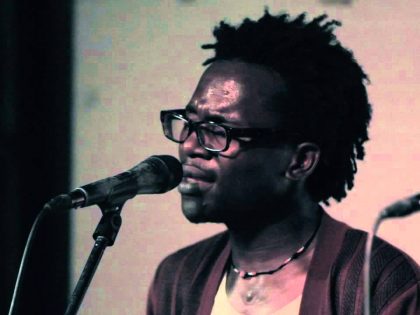
There’s more to Angolan music than Kuduro
it’s underwhelming that despite its rich musical tradition, Angolan music is mostly known for a genre that roughly translates to "hard ass."
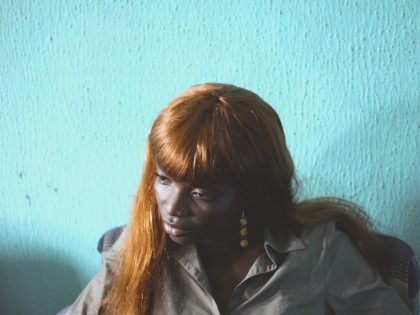
The subversion of Nollywood cinema
Zina Saro Wiwa wants Nigerian film to break out of its Nollywood straightjacket. She is trying it with her film, "Phyllis."
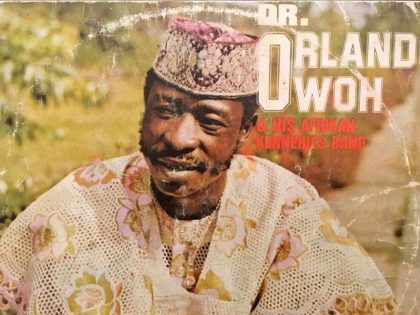
Spiritual guitar music
A post that takes a warm, nostalgic trip through an aspect of West Africa's rich musical heritage: Nigerian highlife.

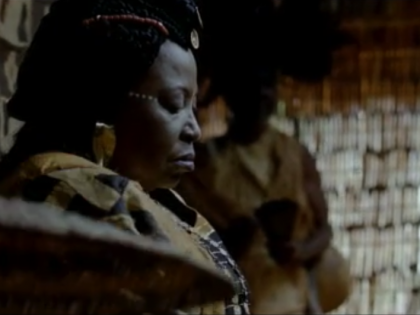
Do African filmmakers care for FESPACO?
Filmmakers who use digital technology hope FESPACO catches up to the times. Meanwhile, this year the festival attempts to right its gender imbalances.

A way out of this miasma
A film about four African artists in Toronto, challenges stereotypes about Africans in Canada's media capital.
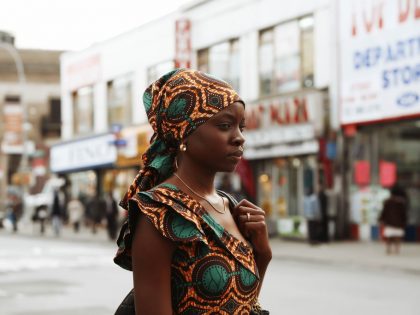
A state of cultural flux
Andrew Dosunmu's new feature film, "Mother of George," is set in Brooklyn, NY’s Bed-Stuy neighborhood, focusing on the complications of African immigrant life, especially love and family.
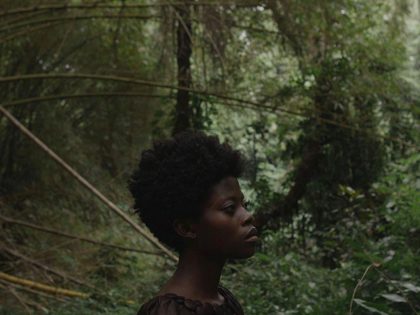
Ghanaian Spiderman and Other Stories
No.17 in our regular update on new African films to watch.

Another White Hero Story
We've seen CNN's "Mozambique or Bust" documentary film before. It's a staple of its genre.
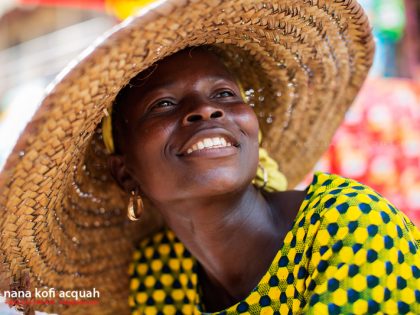
There is more to my life than making photographs
In our series of interviews with young artists and creatives continue: This week's guest: photographer and blogger, Nana Kofi Acquah.
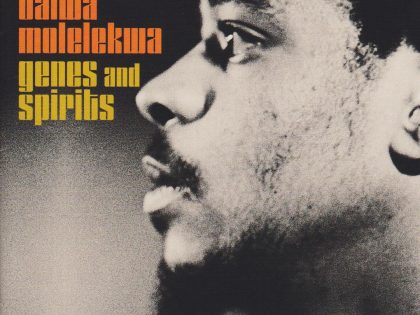
The loss of “new” South African innocence
Moses Molelekwa, the brilliant South African pianist, composer and producer died by suicide on 13 February 2001. Florence Mtoba, his wife (also his manager) was found with him; she had been strangled.

When Kim Kardashian ‘419ed the 419ers’
The Lagos elite blows money at puffery, while most of Nigeria suffers. It’s the same as it ever was.