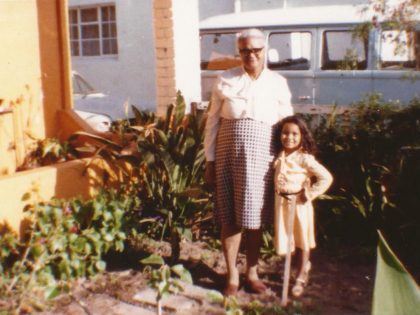
The vibrant lives of old Claremont
The preservation of nostalgia by evicted black residents of one of Cape Town's now very white suburbs.
The preservation of nostalgia by evicted black residents of one of Cape Town's now very white suburbs.
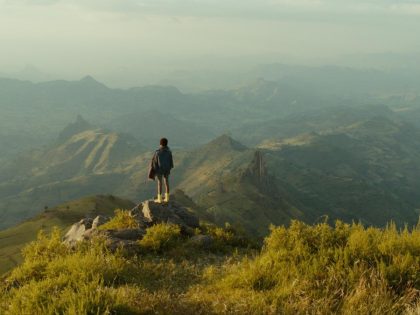
For the first time, an Ethiopian film, "Lamb," was selected for the Cannes Film Festival. We interviewed director Yared Zeleke.
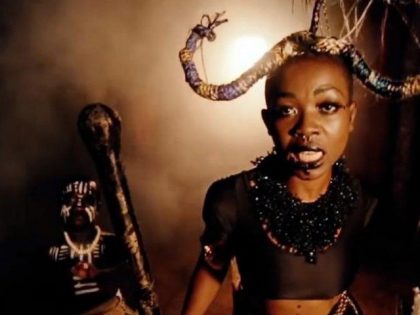
‘Black Magic Woman’, by Azizaa, from Ghana, is a feminist reclaiming of the sacred from Christianity.
The writer and musician Sabelo Mkhabela picks a selection of some beat tapes in his possession and writes about them for us.

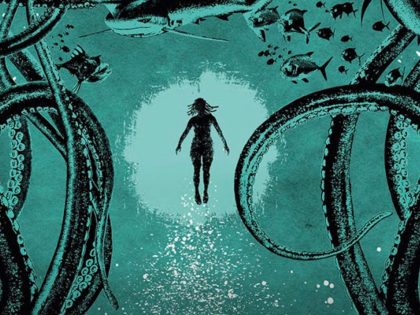
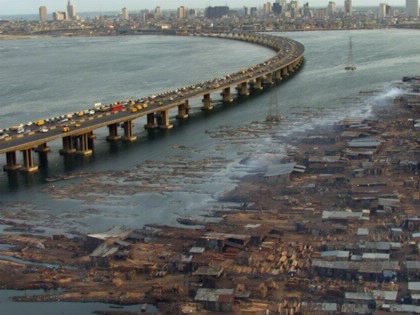
The futuristic Lagos of Nnedi Okorafor’s sci-fi novel, 'Lagoon.'
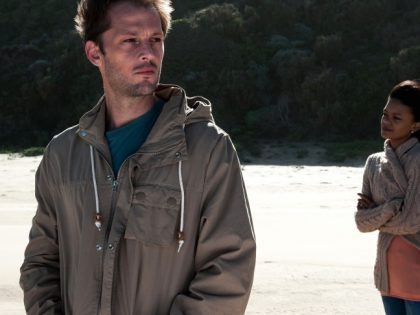
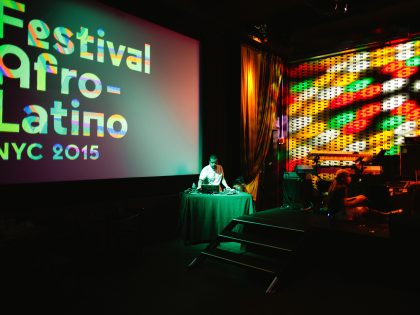
There is a lot of ignorance about Afro-Latinos, despite the deep history dating back to the introduction of slavery in Latin America and the Caribbean.
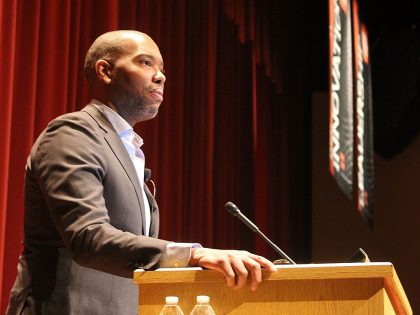
A review of American writer Ta-Nehisi Coates’s “Between the World and Me"
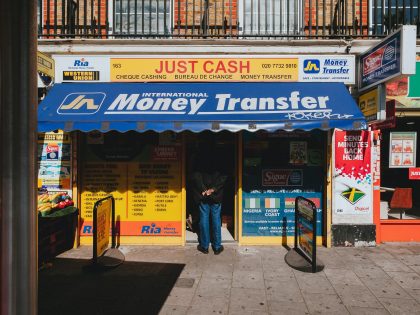
Here's Hipsters Don’t Dance's monthly installment of "Top World Carnival Tunes" for July 2015.
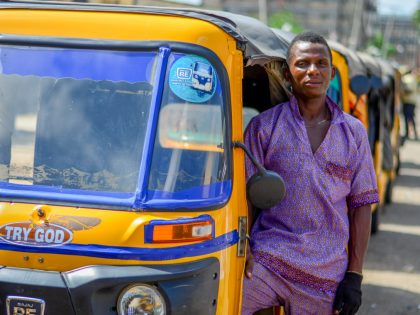
Offering a glimpse at daily life in the West African mega city.
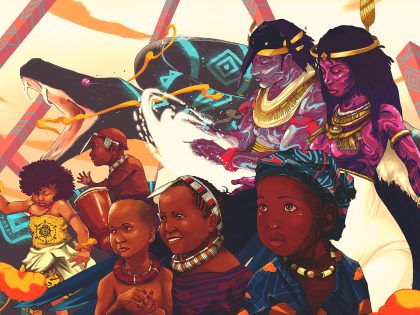

A new book highlights African innovation, challenging dominant perceptions of the continent.
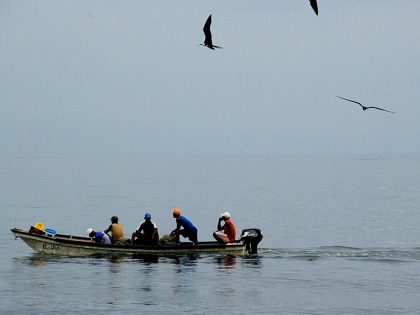
An interview with musician, Kevin Flórez, about how a music imported by West African sailors to 1970s Colombia became the soundtrack of his city, Cartagena.

The producer and beatmaker, Tweezy, is behind many of 2014 and 2015's most successful South African hip hop somgs.
The combined sounds of indigenous groups from northern Colombia with the drums imported with African slaves in Cartagena, once the biggest slave port of the American continent.