World War I in Africa

In honor of the centenary of the Great War, Jacques Enaudeau and Kathleen Bomani set out to bring attention to the forgotten story of Africa’s involvement in World War I. As Enaudeau, a French geographer/cartographer, and Bomani, a Tanzanian activist (and frequent contributor to Africa Is A Country), rightly point out, “the story of Africans’ involvement in the Great War is largely unheard of.” Taking the hundredth anniversary as not only an opportunity to uncover this history, but also using it as “a fertile common ground for investigating the present,” their project, World War I Africa, is a platform for exploiting this “window of opportunity to connect the dots and discuss the knots, to challenge the boilerplate narrative and change the usual narrators.”
As the subtitle of World War I Africa states: “What Happened in Africa Should Not Stay in Africa.” And what this project has done is begin the process of making sure that these stories find their way to a broader public. Not a full year into the four-year centenary, this website has begun to accumulate a series of stories and sources, preserving these histories and beginning a conversation that will continue throughout the next four years and, hopefully, beyond. The fourteen articles currently featured on the site cover a range of topics, from the history of Askaris to Marcus Garvey’s opinions of the war to the Constellation of Sorrow Memorial to Senegalese tirailleurs fallen in France and a brand new piece on Ethiopia’s path through the war. Obviously, this site is a work-in-progress, with a small range of stories (some of which have been published elsewhere previously), and the creators are, of their own admission, no experts (in their first Africa Is A Country feature on World War I Africa, they admitted that they “claim no expertise” and “aim to educate ourselves as much as we hope to teach others”). But, with these caveats, this project already sheds new light in ways that suggest that what will come in the next three years holds the potential to have a broad impact in how we conceive of and talk about these important historical moments; moments which have largely been forgotten in popular memory.
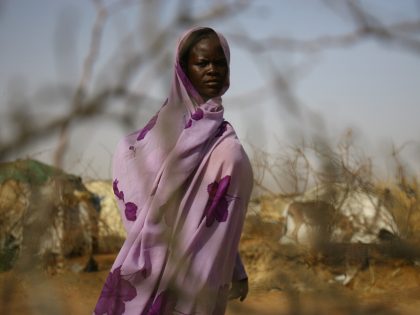
Though the bulk of the original content of the project exists on the main site, these articles and links should really be supplemented by the rich variety of materials contained within the Tumblr. Including links to other stories related to Africa’s role in and experience of the Great War, this Tumblr also incorporates more of the stunning images which make this project so visually dynamic. These images serve not only to put faces to the stories uncovered by this project, but also as a window into the rich resources available online for those interested in pushing further. Utilizing the links from Tumblr and the Resources page, interested users can find recommended readings, digital bibliographies, and online image collections; materials which all provide an additional window through which to begin exploring these histories.
In announcing their plans for the project, Enaudeau and Bomani entreated their readers to “unpack what the world thinks it knows, and put what it should not ignore right under its nose.” So, get reading and let’s make sure that the centenary is a celebration of the world’s experience in World War I. Follow World War I Africa on Facebook, Twitter, and Tumblr.
As always, feel free to send me suggestions in the comments or via Twitter of sites you might like to see covered in future editions of The Digital Archive!