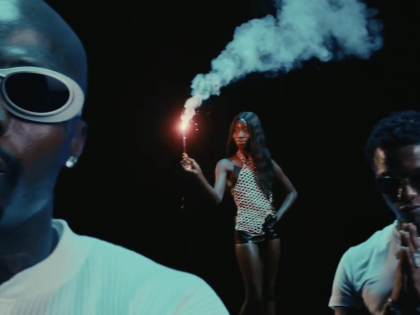
Syd Kitchen has participated in and created a fusion of music relevant to South Africa’s contexts since the 1970s. To get a sense of his art, listen to this NPR insert. He developed a reputation as a White South African who has crossed racial and cultural barriers to seek a transformative way of living through his own position of racial privilege. He is the subject of the film, “Fool in a Bubble,” produced and directed by Joshua Sternlicht.
Sternlicht aptly captures the role documentary film can play in producing memory as it intersects with contemporary constructions of understanding apartheid and this post-apartheid period. Can documentary film act as an agent of change? And are documentary films constructed to provide the viewer with a sense of hope and happy ending narratives? I enjoyed Joshua’s approach as the camera and the direction seemed less intrusive to the flow of understanding the story of Syd Kitchen. This film creates an advocacy narrative from South Africa to New York City as Syd gets an opportunity to produce a record. His various public performances and media engagements provide insight into the complementary role between filmmaker and subject.
Music is an integral part of South Africa’s cultural life. So why do many South African artists die poor, lonely, and often unsupported? Syd reflects on this question at guitarist Sipho Gumede’s graveside.
At a time when White South African writer Annelie Botes publicly expressed her fear of Black people, I am inspired by Syd Kitchen’s life choices. Appalled by Botes, who was to receive this year’s Literary Award in SA, Kitchen’s fame comes from this film. He asks no one for rewards for his tireless commitment to singing against the evils of Apartheid.