Weekend Music Break No.86 – The WOMEX (2015) Edition
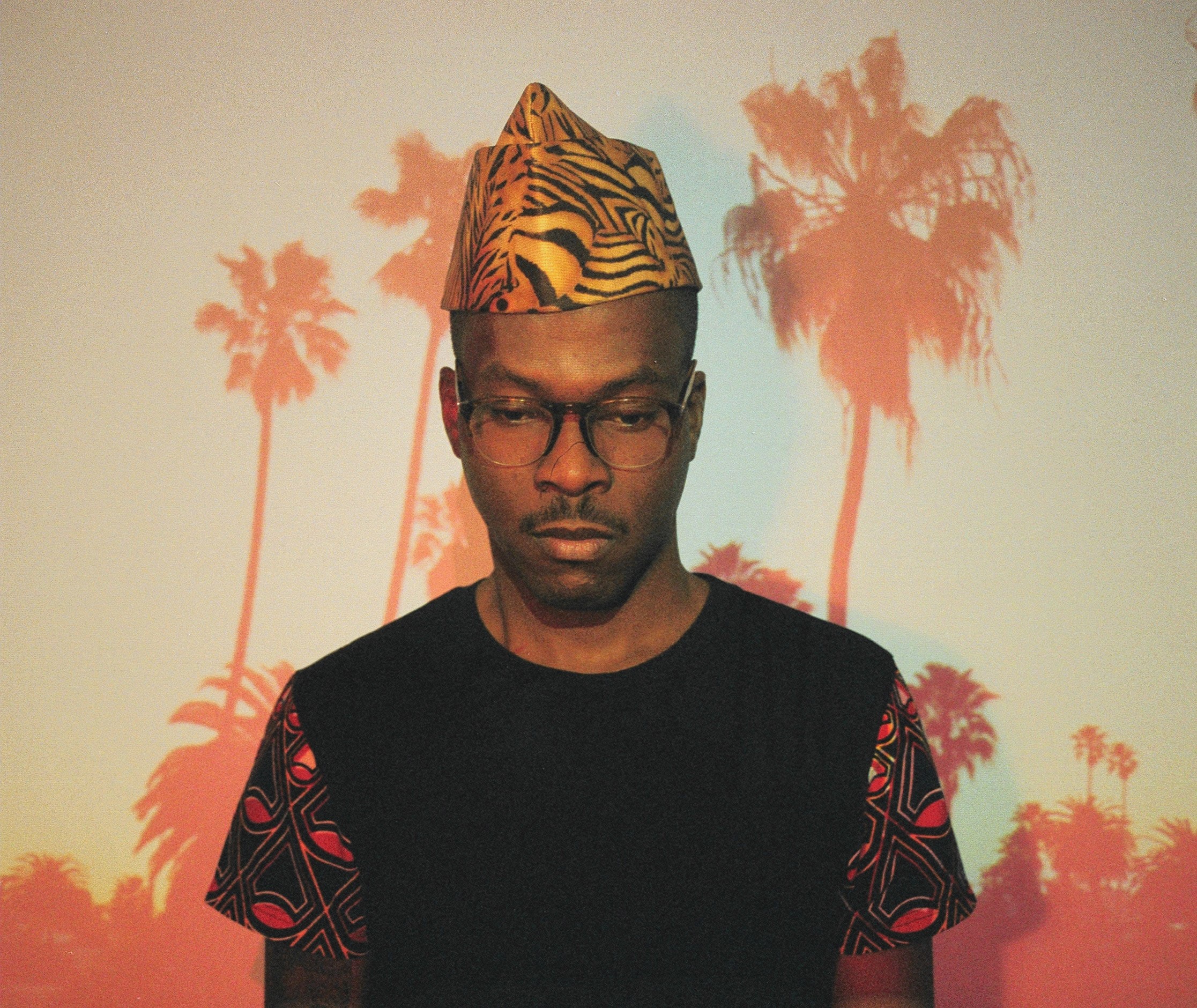
Pierre Kwenders representing Congo via Montreal
The 15th edition of WOMEX, Europe’s premiere World Music trade show is happening next week in Budapest Hungary. As African music grows in popularity globally, it is events like WOMEX that serve as a first port of entry into the continent for many non-European artists; whether traditional, experimental, or pop. In light of this year’s headlines around European migration, the need for programs such as WOMEX that inherently celebrate the diversity of human experience, and thus a truer vision of contemporary Europe, has become all the more sharp. As for the interest of Africa is a Country specifically, this year’s showcases will host a series of artists with origins in the African continent. They will be putting their talents on display with the hopes of getting picked up by European record labels, touring agencies, and/or festival promoters. So, for this weekend’s music break, Africa is a Country is happy to team up with WOMEX to present all ten artists presenting at this year’s festival:
Blick Bassey brings us “One Love” from Cameroon, a Central African smooth jam with Cello, Trumpet, and Slide Guitar accompaniment, Moh Kuyate represents with Mandinka Rock from Guinea via France; The Sarabi Band from Kenya sings against political corruption in an uplifting Ndombolo-inflected pop tune; Pierre Kwenders gives us Congolese Soul-Rap via Montreal; Vaudou Game hits us with West African Funk from France, rooted in Togo and Benin; Aziza Brahim, a displaced person from Western Sahara currently living in Spain, sings for her land and people, while showing how African Flamenco really is; Senegalese Mbalakh innovator Cheikh Lo is receiving a lifetime achievement award at this year’s conference; Pat Thomas & The Kwashibu Area band revive classic Highlife for a new generation of audiences; Mamar Kassey from Niger a updates a repertoire descendant from the ancient Songhai empire, and is here performing it live in Amsterdam; and finally, Tarek Abdallah & Adel Shams El-Din perform Egyptian classical music on Oud and Riq, live in Montpellier, France.
Visit WOMEX’s website to see the full artist lineup, and read more on the artists featured above.