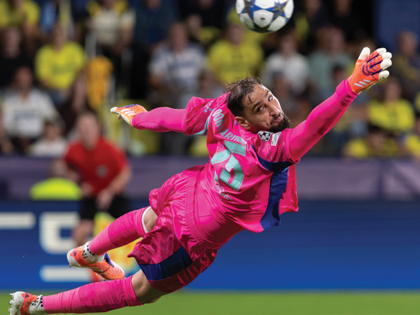
Football won’t rescue the nation
As club football becomes increasingly placeless and commercialized, international football begins to feel strangely real again.
As club football becomes increasingly placeless and commercialized, international football begins to feel strangely real again.
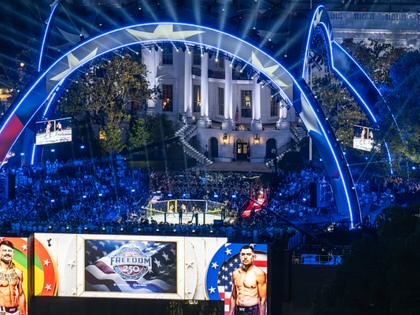
The UFC White House event looked like the final triumph of the UFC-Trump alliance. But it was actually something more consequential: the first act in a darker chapter of American politics.
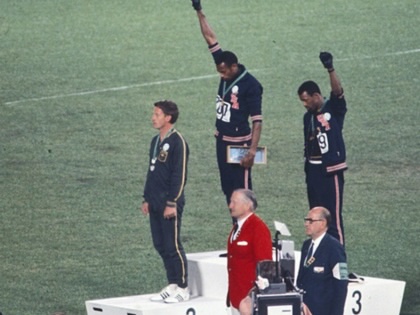
The refusal of the US government to admit Somali referee Omar Artan is a reminder that the United States has a long history of using sports as a tool of exclusion, especially when it comes to African and African-descended athletes.
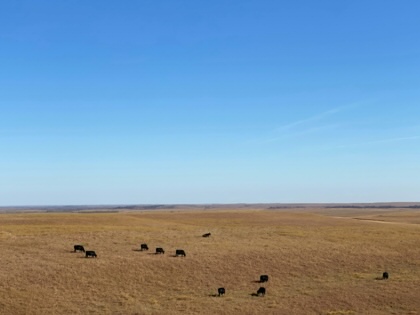
Against a tournament shadowed by visa refusals and bureaucratic hostility, the unexpected love affair between the Algerian national team and the city of Lawrence, Kansas, is a welcome reminder of what the World Cup is actually supposed to be about.
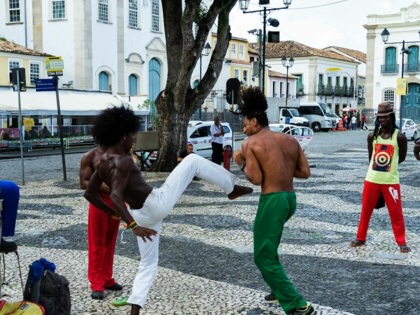
AI tools are built on Eurocentric datasets. For Brazil’s Afro-descendants — whose histories were already marginalised from literature, academia, and media — it poses the threat of industrial-scale erasure.
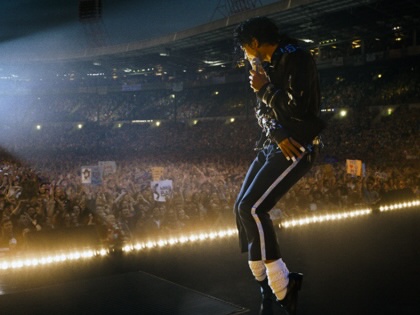
The new Michael Jackson biopic turns a politically conscious Black artist into a raceless fantasy figure, erasing the civil rights struggles, global solidarities, and histories that shaped him.
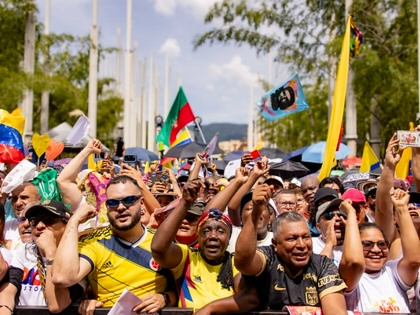
Gustavo Petro’s “economy for life” speaks to real crises. But without a rigorous political economy behind it, progressive movements risk mistaking the symptoms for the disease.
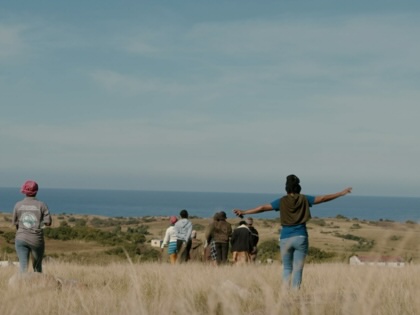
From Latin America to Africa, the struggle over minerals, energy, and sovereignty is forcing a deeper reckoning with capitalism, climate change, and the unequal architecture of the global economy.
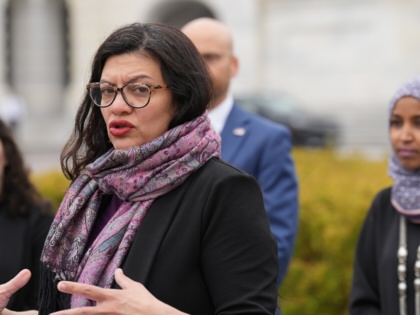
In the United States, Arabs are rendered white or nonwhite depending on the political needs of empire, war, and racial control.
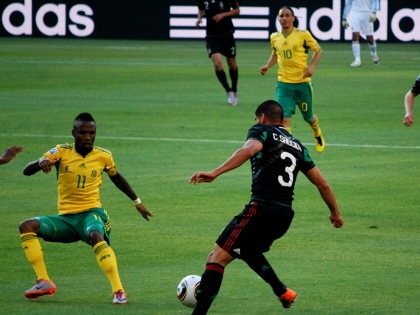
If the reception the Democratic Republic of the Congo received at the FIFA intercontinental playoffs is anything to go by, visiting African fans can expect a joyful camaraderie in Mexico.
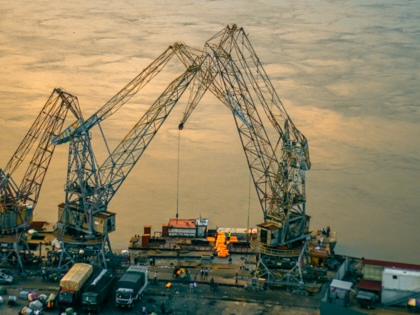
Backed by the Trump administration, US mining firms, financiers, and tech investors are mounting an aggressive push into the DRC’s mineral sector, reviving an old imperial logic under the language of strategic competition.
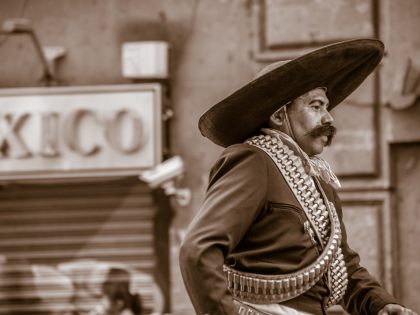
A new history of the interwar Latin American left recovers the rich debates over race and self-determination that shaped the region's anti-imperial politics — and still resonate today.
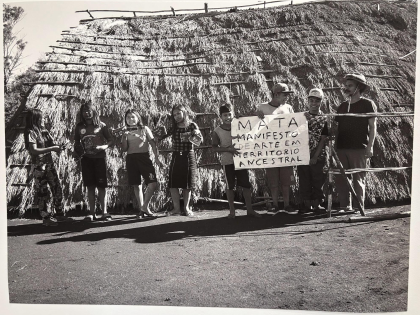
Paulo Nazareth's latest show in Berlin follows the cunning architecture of power, from Germany to Brazil and across continents and epochs.

Despite commercialization and elite capture, the world’s most popular sport still generates forms of collective life that resist the logic of capitalism.
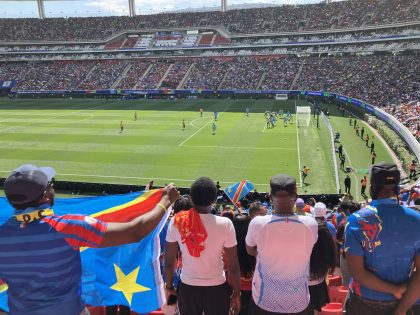
In Guadalajara, fans from three continents celebrated football together in what was a taste of a World Cup that most won't be able to afford or attend.
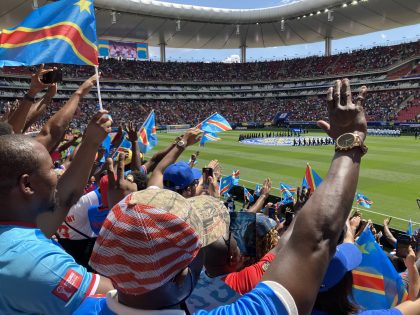
A Guadalajara, des fans venus des trois continents ont célébrer le football ensemble dans un avant-goût de ce que sera, pour eux, la Coupe du monde : une fête à laquelle ils ne pourront pas assister
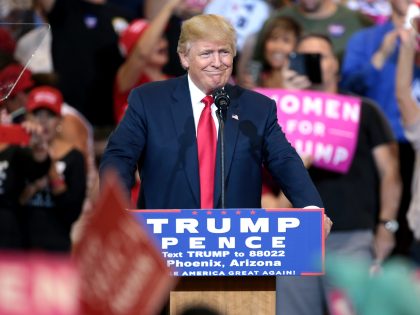
Why does the anti-Black racism of the US president have defenders in Africa’s largest Black nation?
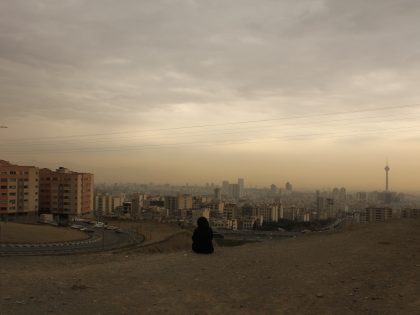
Between imperial narratives and state propaganda, debates about the war on Iran often erase the diversity of Iranian society and the voices of its marginalized communities.
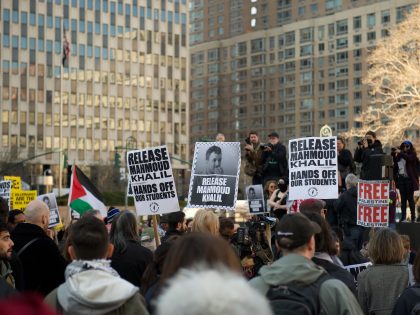
A year after ICE detained Columbia activist Mahmoud Khalil, pro-Palestinian organizers in the United States are living under the threat of arrest, detention, and deportation.
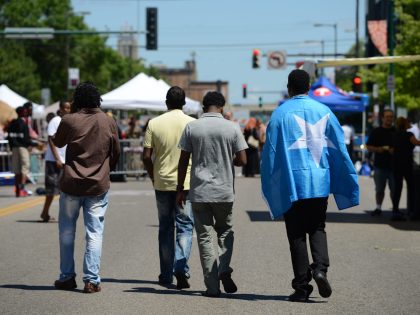
The Trump administration’s crackdown on Somalis in Minnesota ignores a longer history: decades of US intervention that helped produce the violence and displacement Somalis fled.