A road accident doesn't make a revolution
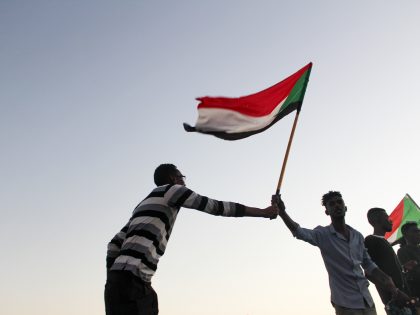
Recent demonstrations in Sudan’s capital Khartoum over road conditions and traffic signals have led some observers in the West to speculate about the possibilities of a Egypt-style revolution there (see FT, BBC and Al Jazeera English, for example; Sudan-specific blogs, like Making Sense of Sudan, are silent on the protests). For our sake, I asked a friend in Khartoum–who wanted to remain anonymous–his opinion. Below I print his response:
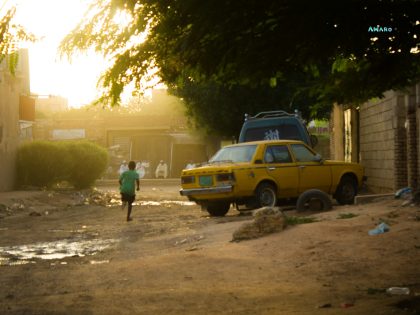
Traffic and the control thereof are diabolical in Khartoum, and the populace have developed a pretty mental informal code for dealing with things (a combination of subtle physical nudging of cars, flashing lights, flicker use, and the morse code of horn signalling) so I’m not suprised there is risidual or constant anger relating to that issue. But a road accident doesn’t make a revolution.
It really doesn’t feel like a country on the verge of seriously challenging the intrenched status quo. In the capital there seems to be somewhat fatalistic, support for the peace process with the South, and ongoing constitutional reform (an interim constitution was enacted in 2005 and a new one will have to be drafted after the South breaks away in July 2010), combined with a lack of credible options to the ruling NCP in the broader polity. Even the Sudan People’s Liberation Movement’s northern chapter (with eight members of parliament and control of one northern state government) favour engaging the current institutional apparatus over taking the fight to the streets.
Constitutional reforms on the back of the peace process have opened some space for quasi-democratic imperatives to take hold, but it’s tricky to say if this is purely cosmetic as opposition groups allege. The South African law professor, Christina Murray, was here recently at the invitation of the UNDP to advise officials on the need for reform in the North, in the aftermath of the Southern referendum.
The more threatening (vis a vis the regime) energies are located in the regions to the South , West (Darfur) and North East of Sudan where conflict over resources, anger over marginality and poor access to services is more or less endemic. All three regions are subject to separate peace provisions that channel disproportionate funds (and jobs) to state governments to try and shore up support for the center and the northern national project. But these are local insurgencies, not intelligentsia-led struggles, generally confined to regional and ethnic grievances. Notwithstanding the hundreds of thousands of heterogeneous citizens internally displaced to the outskirts of Khartoum as a consequence of these struggles, it seems unlikely that these energies could be transformed into a coherent explosion in the capital.
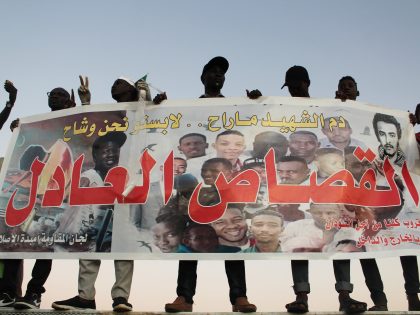
But we’ll see. Witnesses to the protests at the university in Khartoum in late February counted about 3000 protesters gathered on campus and they were brutally corralled by police (using iron bars) and vigilantes and prevented from taking their protest off campus. Had they made it to the streets, some say, it is anyone’s guess if others would have joined in and protests mushroomed. Arrested student and activist leaders have allegedly been tortured, and raped, and disappeared.
Local journalists who reported the rape allegations have since been charged with defamation for publishing credible accounts of abuse. The regime has sent a clear message about the consequences of urban anti-government organisation.
Through March there were two calls for renewed protests in Khartoum that came to naught. Fear, rather than apathy, was the main reason for the no-show. Small protests again emerged on 21 March, but protesters were again beaten into submission. More arrests were made and the whereabouts of some detainees is unclear.
Should the nascent protest movement find traction, and is twinned with support or coincidental violence on the part of regional insurgents, a very chaotic and violent unraveling may ensue.
The general feeling though, is one vaguely Zimbabwean: people are just too poor, too tired of violence, and too trapped in cycles of subsistence, to organize and dream of better times.
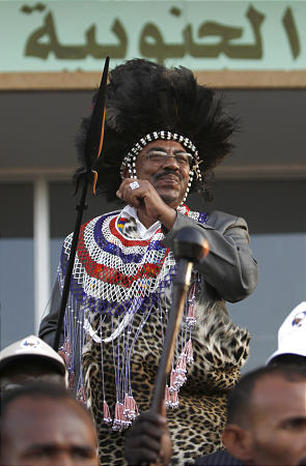
The Sudanese have had only 16 years of civilian rule since political independence from Britain in 1956, and have had Omar Al Bashir as leader of the country since his bloodless coup in 1989 following a short, chaotic period of civilian rule. The demographic bubble is heavily in favour of revolution, but significant countervailing forces (repressive, propagandist, and material) work in the old man’s favor for now.