Photographer Liz Johnson Artur, first arrived in Peckham, London, 20 years ago to live. A neighborhood of mostly high rise public housing blocks, Peckham is considered one of the poorest neighborhoods in Britain, is associated with high crime and high unemployment. Liz (who has been featured on AIAC before) writes in an email, that the occasional, mostly sensational, headlines of Peckham, totally misrepresent life as it is for a majority of people there. The people of Peckham “… has treated me well and make it a good place.” What Peckham also has is diversity. More than a third of the residents are immigrants from Africa, almost 20% are from the Caribbean. Smaller numbers of whites and South Asians make up the rest. There’s also been some gentrifying. The heart of Peckham is Rye Lane, its commercial strip. Liz has been photographing the denizens and visitors of Rye Lane. Here, with her permission, are a selection of her images of Rye Lane. More photographs of Rye Lane on Liz’s site, Black Balloon Archive.


Further Reading

Atayese

Honored in Yorubaland as “one who repairs the world,” Jesse Jackson’s life bridged civil rights, pan-Africanism, empire, and contradiction—leaving behind a legacy as expansive as it was imperfect.

Bread or Messi?

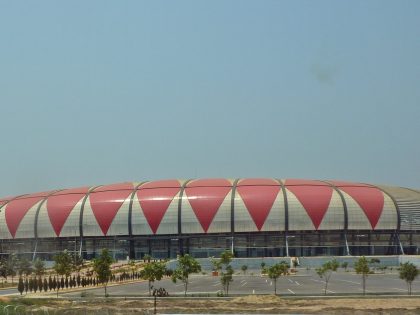
Angola’s golden jubilee culminated in a multimillion-dollar match against Argentina. The price tag—and the secrecy around it—divided a nation already grappling with inequality.

Visiting Ngara

A redevelopment project in Nairobi’s Ngara district promises revival—but raises deeper questions about capital, memory, and who has the right to shape the city.

Gen Z’s electoral dilemma

Long dismissed as apathetic, Kenya’s youth forced a rupture in 2024. As the 2027 election approaches, their challenge is turning digital rebellion and street protest into political power.

A world reimagined in Black

By placing Kwame Nkrumah at the center of a global Black political network, Howard W. French reveals how the promise of pan-African emancipation was narrowed—and what its failure still costs Africa and the diaspora.

Securing Nigeria

Nigeria’s insecurity cannot be solved by foreign airstrikes or a failing state, but by rebuilding democratic, community-rooted systems of collective self-defense.