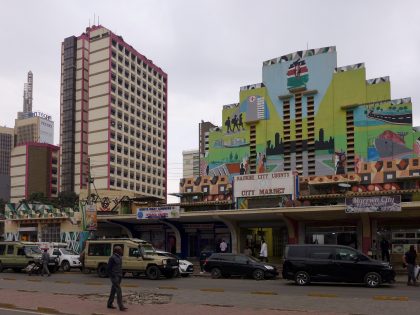
The debts our parents left us
The language of fiscal consolidation is meant to sound inevitable. But for Kenya's informal workers, the human cost is anything but abstract.
The language of fiscal consolidation is meant to sound inevitable. But for Kenya's informal workers, the human cost is anything but abstract.
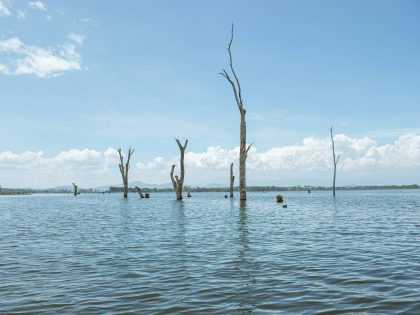
As Kenya’s Rift Valley lakes expand, swallowing homes, farms, and infrastructure, what appears as a climate anomaly reveals a reckoning with ecological limits, failed planning, and the illusion that water would stay where it was put.
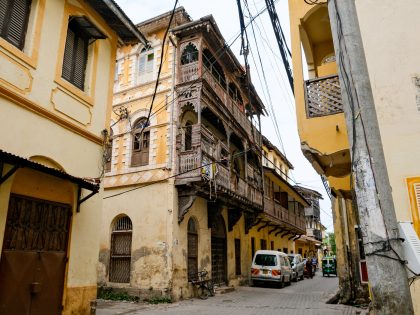
A new history of Mombasa shows how street food, colonial labor migration, and urban capitalism reshaped what—and how—Kenya eats.
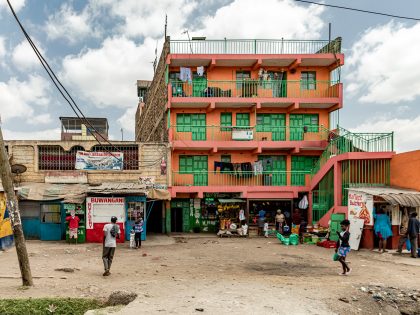
In Nairobi, migrants face not just national frontiers but invisible barriers in policing, housing, and work.
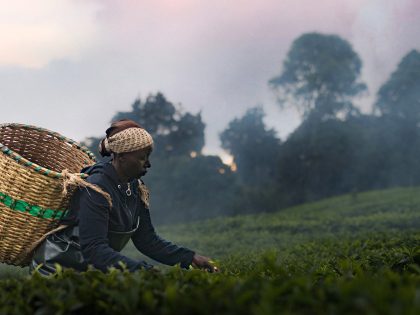
A new film investigates the long-standing land disputes between Kenyans, the government, and multinational corporations, whose expansive plantations are the site of much of the Kikuyu people’s hardship.

A redevelopment project in Nairobi’s Ngara district promises revival—but raises deeper questions about capital, memory, and who has the right to shape the city.
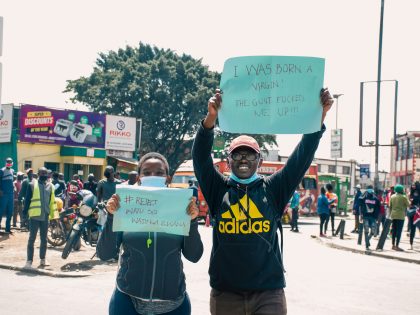
Long dismissed as apathetic, Kenya’s youth forced a rupture in 2024. As the 2027 election approaches, their challenge is turning digital rebellion and street protest into political power.
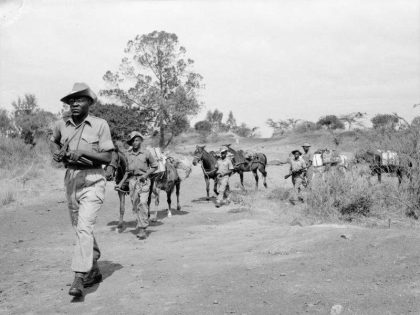
David Elstein’s attack on David Olusoga’s docuseries on the legacy of the British empire reveals less about historical error than about the enduring impulse to rehabilitate British colonial rule.
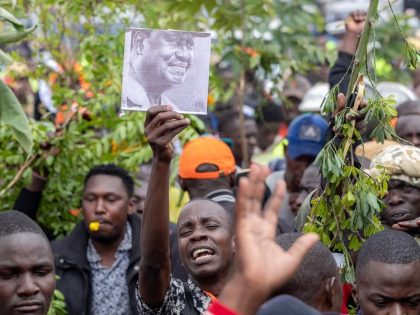
The passing of Raila Odinga has unsettled Kenya’s political equilibrium, exposing a crowded field of veterans, opportunists, and activists, alongside a growing generational demand to reclaim power from an aging elite.

From IMF history to astrophysics, Nairobi’s Drunken Lectures turn casual drinkers into an engaged public.
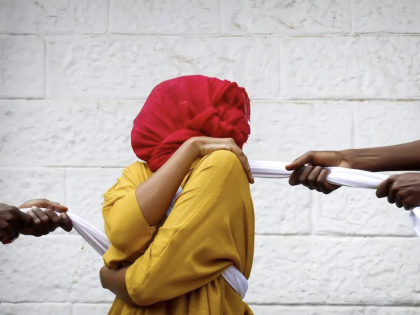
In Najaax Harun’s paintings, the self confronts its own reflection—haunted, tender, and unafraid to transform.
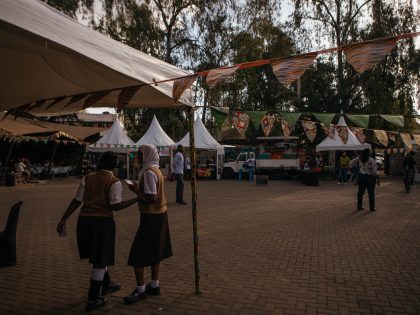
Nairobi’s cultural moment reflects both the promise of continental imagination and the anxiety of performing arrival for the world’s gaze.

The death of Kenya’s most enduring opposition leader invites a reckoning—not only with his contradictions, but with what his long struggle reveals about the unfinished work of liberation.
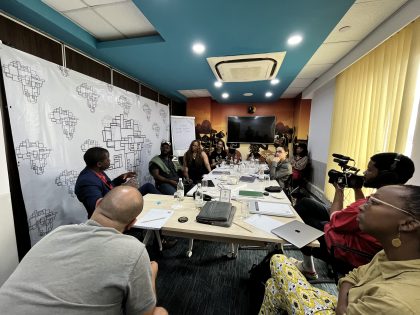
At our first workshop from our festival in Nairobi, The Elephant’s Joe Kobuthi, reflected on a year since #EndFinanceBill.
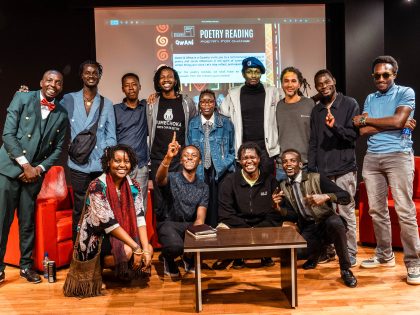
From rooftop beginnings to open mics that echo on the streets, Kenya’s newest literary collective shows how art can archive struggle and energize dissent.
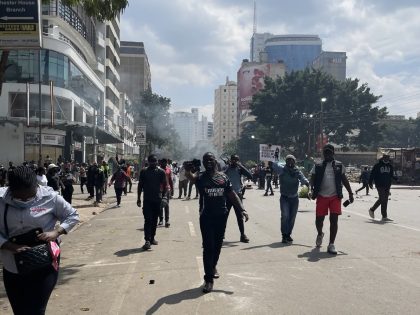
Following two years of mass protest, Kenya stands at a crossroads. A new generation of organizers is confronting an old question: how do you turn revolt into lasting change? Sungu Oyoo joins the AIAC podcast to discuss the vision of Kenya's radical left.
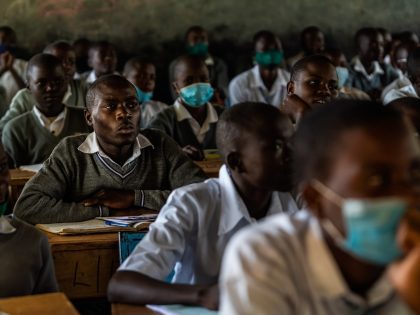
From the colonial classroom to today’s exam halls, student strikes in Kenya are less outbursts than acts of political imagination—insisting that schools live up to their promise of justice and transformation.
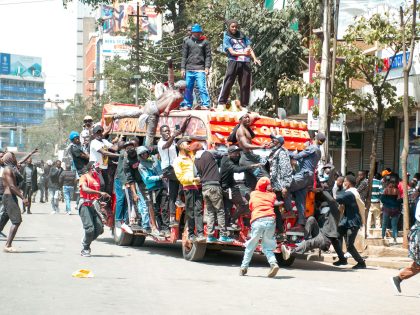
Kenya’s largest-ever protests have drawn striking comparisons to the Mau Mau uprising. But for today’s movement to endure, it must move beyond the streets and invest in political education.
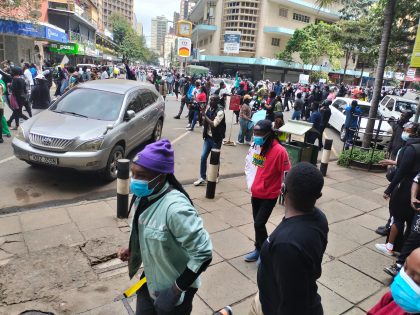
The 2025 Kenyan protests once again declared themselves “tribeless, leaderless, partyless.” But what does the idiom of unity hide?

A lack of reliable statistics and coherent strategy to address femicide in Kenya, has left a culture of everyday insecurity for women in the country.