
The North African family French critics couldn’t see
Julia Ducournau’s third film places a North African family at the center of a national trauma, but French critics largely missed what that choice makes visible.
Julia Ducournau’s third film places a North African family at the center of a national trauma, but French critics largely missed what that choice makes visible.
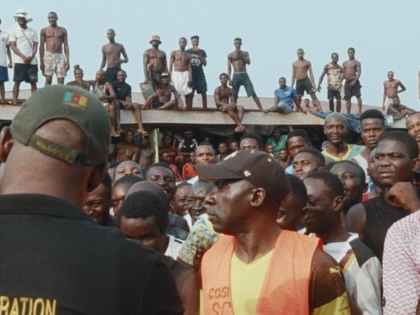
Inside Cameroon’s most overcrowded prison, a recording studio turned incarcerated men into artists. Its founders spent six years filming what it became.

What becomes possible when the psychic weight of labor, migration, and extraction is, even briefly, set down?
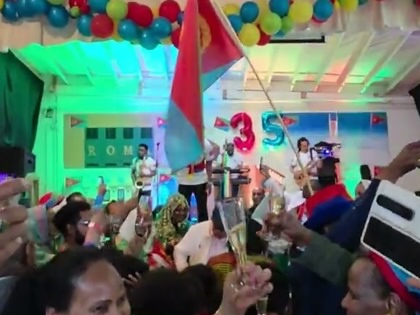
A diaspora vote won Snit Tewoldemedhin the People’s Choice Award at Miss World. But the freedom to choose is exactly what Eritreans at home don’t have.
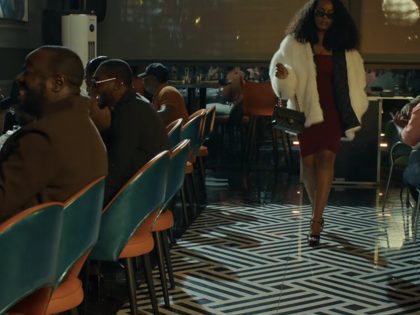
eLDee’s latest single reignited an old debate about women, money, and dating in Nigeria. But no one really chooses these gendered arrangements shaped by economic insecurity and unequal access to opportunity.
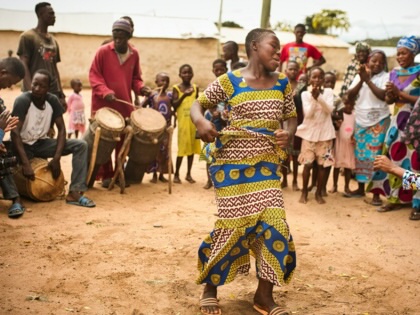
From the Women’s War of 1929 to the Anlu uprising three decades later, African women were organizing and resisting long before donors arrived to ‘give them a voice.’

Kenya’s youth uprising was documented in real time through music, murals, memes, and essays. Publishing that history became an act of resistance in its own right.
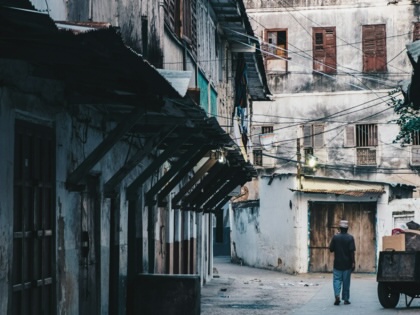
Long before modern sexual identities reached the East African coast, the Swahili shoga occupied a recognized place in women’s society, until colonialism and later Western frameworks remade them.
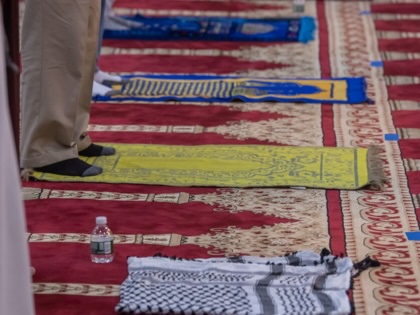
How do the struggles of one generation echo, decades later, in another’s?
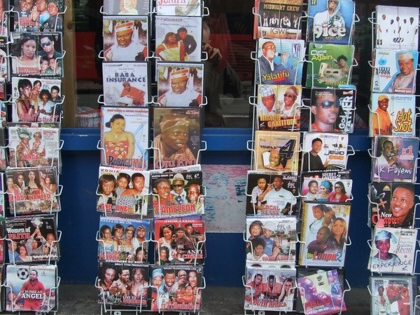
Kenneth Nnebue made 27 Yoruba-language films before Living in Bondage. Why does Nigeria still only remember the one he made in Igbo?
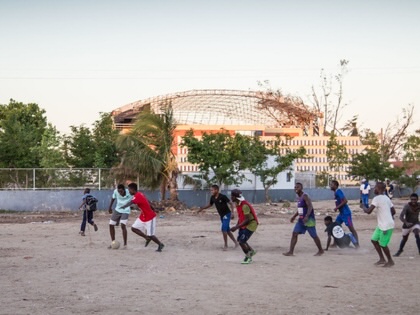
Joseph O’Neill’s new novel follows a Pittsburgh writer chasing a West African wonderkid. It’s also a story about who profits every time the world goes looking for the next Eusébio.
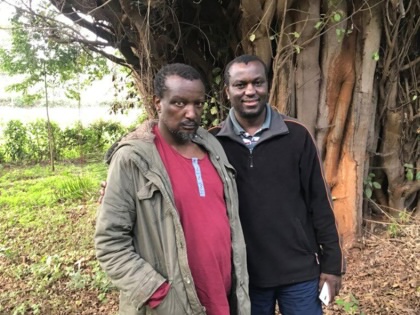
Binyavanga Wainaina was cremated in a private ceremony in 2019. In his final year, the writer kept returning to a colonial chief’s grave beneath a sacred fig tree in Nairobi — as if contemplating what remains of a life.
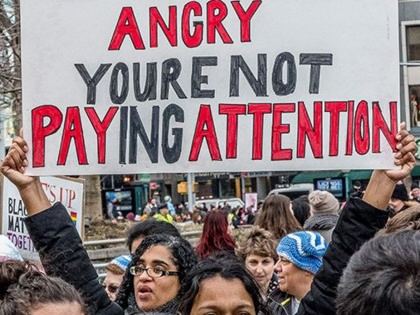
From the Epstein files to a World Cup trailed by rape charges and a hush-money settlement, the public has gotten remarkably good at feeling outrage. What it hasn’t learned is what to do with it.
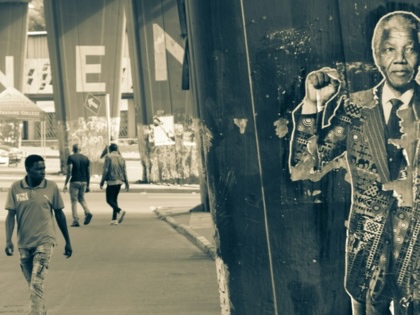
Although Nelson Mandela lacked the oratory of Nkrumah and the theory of Senghor, his contribution to the world of ideas was something rarer: pragmatism.

From leapfrogging optimism to warnings of a new extraction economy, the frameworks now defining Africa’s AI moment will decide who gets to shape the future and who is shaped by it
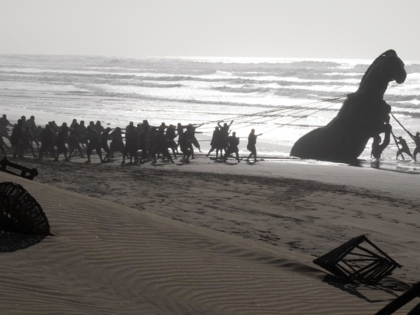
Backed by Moroccan state subsidies, Christopher Nolan’s decision to film The Odyssey in occupied Western Sahara is the latest and highest-profile chapter in a five-decade campaign to normalize colonial rule.
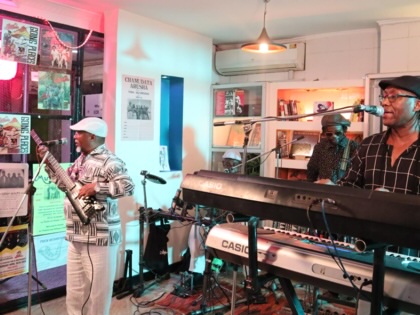
For a century, African musical heritage was recorded, boxed, and shipped to museums abroad. In Nairobi, a new generation of archives is bringing cultural memory home — and putting it online.
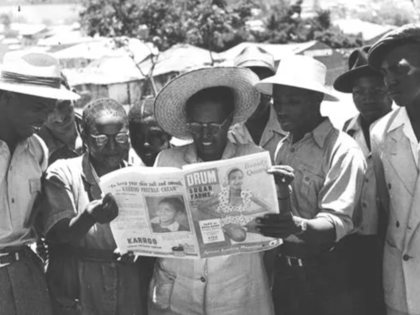
In apartheid South Africa, Drum magazine showed Black readers what it meant to be modern. But not everyone got to be modern in the same way.
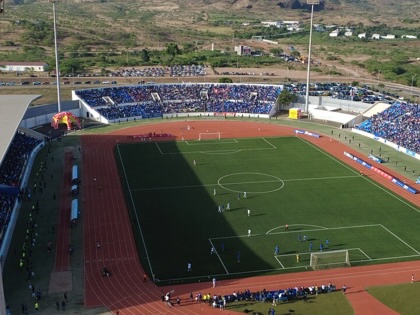
Cabo Verde’s historic run and the breakthrough performances of fellow African and Caribbean nations changed the conversation about visibility, opportunity, and the future of African football.
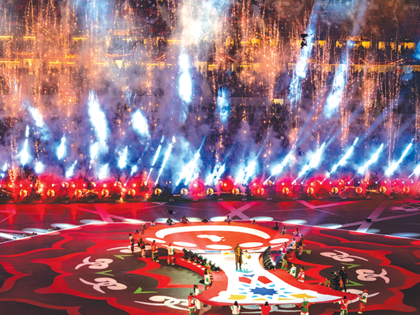
Can a continent dominate global football while losing control of its own game?