Didier Drogba, Truth Commissioner
Cote d'Ivoire's newly-appointed commission counts 11 members, with footballer Didier Drogba one of them, representing the country's diaspora.

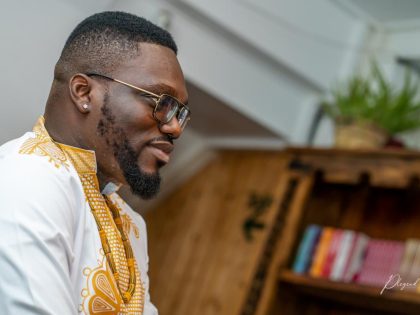
Didier Drogba, 2011 (Wiki Commons).
It is clear that truth and reconciliation commissions are half-successful attempts at inventing half-baked feelings of national identities (turning a blind eye to economic restoration in South Africa; with some self-interested pressure from above in Rwanda). So it is interesting to note that Côte d’Ivoire’s new president Alassane Ouattara reasoned that one of the first things his country needs is a TRC. The newly-appointed commission counts 11 members, with footballer Didier Drogba one of them, representing the country’s diaspora.
“Without being a football player,” he tells BBC Sport, “I’m not sure you would be sitting here talking about my country.”
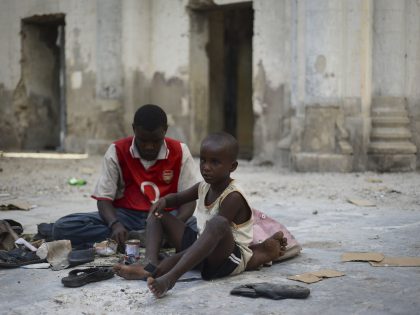
The “expensively but understatedly dressed” (qué?) player said ‘yes’ when former Ivorian Prime Minister Charles Konan Barry called and explained him he needed Drogba to help him bring peace in the country. Drogba says: “The war that happened a few months ago was crazy. It was unbelievable for all the Ivorians. We couldn’t believe it was happening and we need to sit together and speak about it to make sure it is the first and last time.”
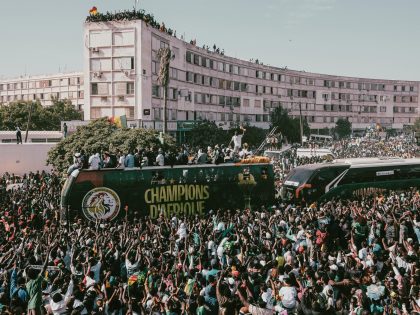
Let’s hope Drogba is right. (Anyway, this may be the beginning of a new career back home for the aging footballer. We do know that part of his football legend is that he brought a momentary peace during the civil war of the early 2000s.)
But taking into account other recent commissions’ track records, we can only wonder why Drogba took the bait. The Ivorian TRC will succeed when it manages to expose and dismantle the grip the concept of being ‘Ivorian’/’autochtonous’ holds on the political debate, and thus on its people. It would be no small feat.