Further Reading
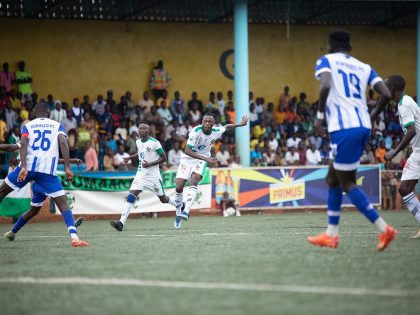
How to fix a match for $280
Burundi’s football league rarely draws headlines—making it an easy target for match-fixing networks now entrenched in its top division.
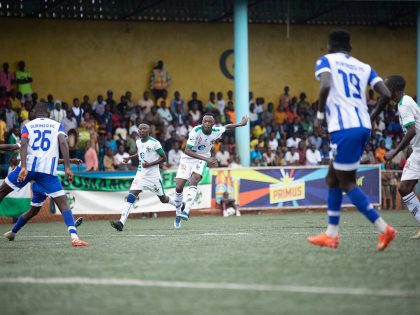
Truquer un match pour 280 dollars
Le championnat burundais fait rarement les gros titres—une discrétion qui en fait une cible facile pour des réseaux de matchs truqués désormais ancrés dans l’élite.
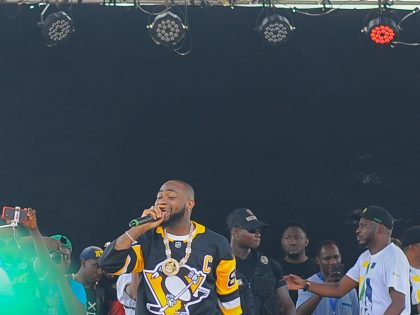
The music is not yours
On the latest AIAC podcast, the gang from the Nigerian Scam explores how Afrobeats got globalized, who captured the value, and why the party may be ending.
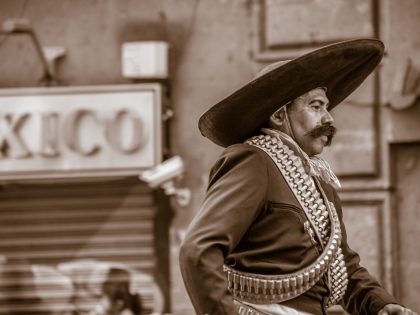
Sovereignty beyond the nation
A new history of the interwar Latin American left recovers the rich debates over race and self-determination that shaped the region’s anti-imperial politics—and still resonate today.

Fields of dependency
As the US-Israel war on Iran disrupts fertilizer supply, Africa’s reliance on imported inputs exposes the deeper political economy driving food insecurity.
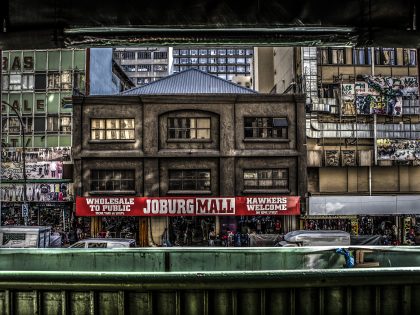
More commerce than chaos
In Johannesburg’s Jeppe precinct, what looks like disorder is in fact a dense, transnational system of trade, labor, and survival at the heart of the global economy.
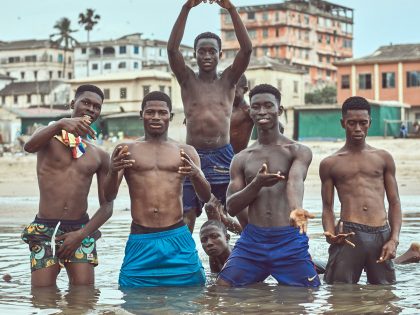
The demographic dividend no one wants to pay
Although increasingly celebrated as an asset, Africa’s youth remain locked out of power and decent work.
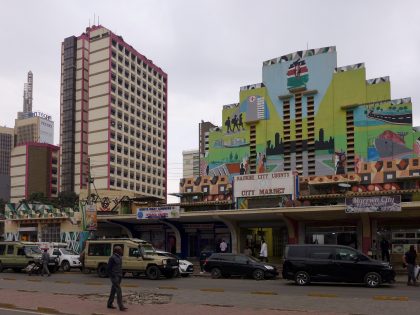
The debts our parents left us
The language of fiscal consolidation is meant to sound inevitable. But for Kenya’s informal workers, the human cost is anything but abstract.
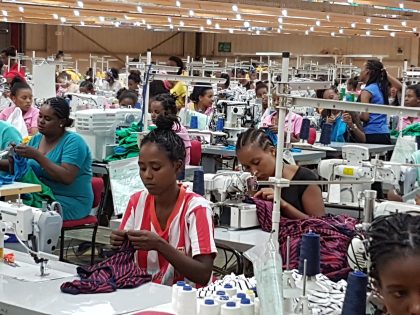
Whose progress?
A new documentary reveals how Ethiopia’s manufacturing push redistributes land, labor, and opportunity—delivering gains for some while displacing others.
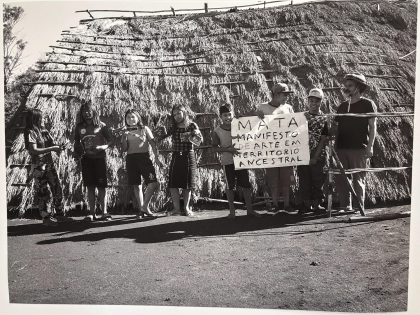
Art has never been innocent
Paulo Nazareth’s latest show in Berlin follows the cunning architecture of power, from Germany to Brazil and across continents and epochs.
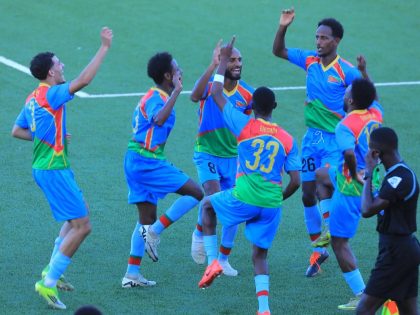
Between fandom and dissent
Eritrea’s recent progress in AFCON qualifying offered a rare feel-good moment, but new player defections underline how fragile that progress remains amid the country’s political realities.
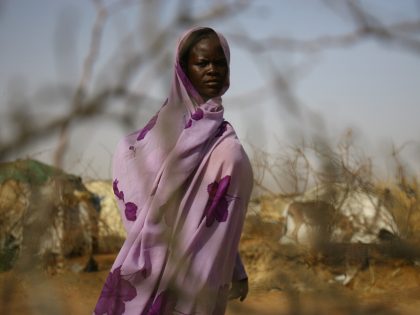
Who gets to be a civilian?
Often in war, language is twisted and used to change meaning, to dehumanize, to invent enemies, and to justify atrocities.

The making of Arundhati Roy
In revisiting her relationship with her mother, Roy shows how intimacy, violence, and love forged the sensibility behind her uncompromising political life.
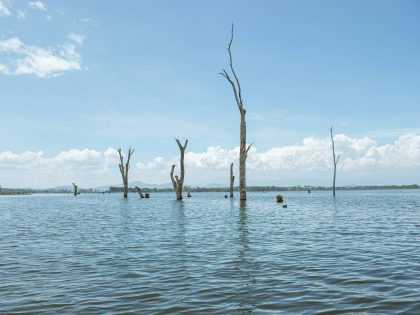
The human cost of Kenya’s expanding lakes
As Kenya’s Rift Valley lakes expand, swallowing homes, farms, and infrastructure, what appears as a climate anomaly reveals a reckoning with ecological limits, failed planning, and the illusion that water would stay where it was put.

You can’t kick politics out of football
Despite commercialization and elite capture, the world’s most popular sport still generates forms of collective life that resist the logic of capitalism.
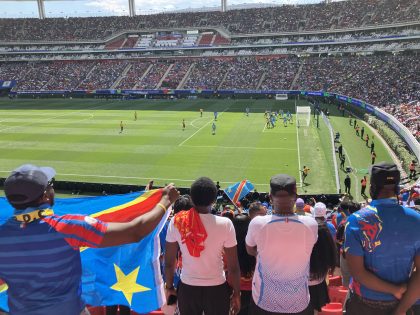
In Guadalajara, we found joy
In Guadalajara, fans from three continents celebrated football together in what was a taste of a World Cup that most won’t be able to afford or attend.
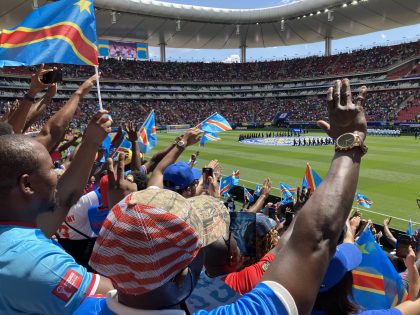
À Guadalajara, nous avons trouvé la joie
A Guadalajara, des fans venus des trois continents ont célébrer le football ensemble dans un avant-goût de ce que sera, pour eux, la Coupe du monde : une fête à laquelle ils ne pourront pas assister
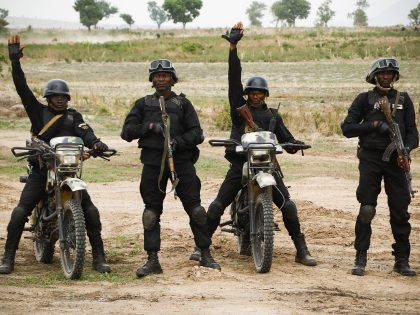
Being right at the wrong time
Prominent cleric Sheikh Ahmad Gumi’s calls for negotiation reflect practices already in use, but in Nigeria’s polarized digital space, nuance is punished.

Where mining and conservation meet
Far from signaling a break from the past, the convergence of mining and conservation in West Africa underscores a recurring pattern that stretches back to colonialism.
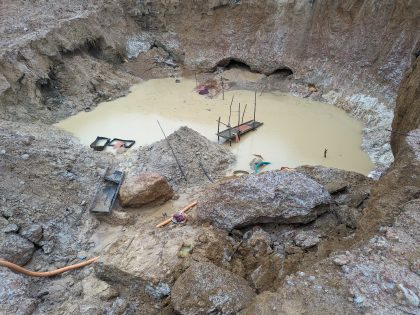
Could expanding protected land undermine biodiversity?
Paradoxically, conservation efforts in Liberia and Senegal are threatening native ecology.